

What is the open - circuit voltage of a wall mounted LFP battery?
Jan 22, 2026
Leave a message
When delving into the world of energy storage solutions, wall-mounted LFP batteries have emerged as a highly promising option. As a leading supplier of Wall Mounted LFP Battery, I often encounter numerous inquiries about various technical aspects of these batteries. One question that frequently surfaces is: What is the open-circuit voltage of a wall-mounted LFP battery?
Understanding the Basics of LFP Batteries
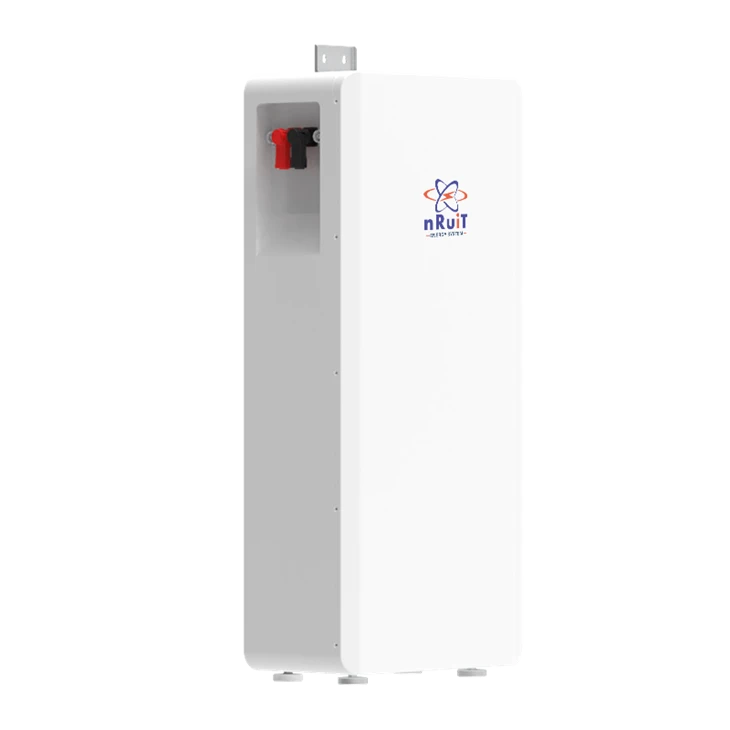
Lithium Iron Phosphate (LFP) batteries are a type of rechargeable lithium-ion battery known for their long cycle life, high thermal stability, and excellent safety features. These characteristics make them an ideal choice for applications where reliability and long-term performance are crucial, such as residential and commercial energy storage systems. Wall-mounted LFP batteries are designed to be conveniently installed on walls, saving floor space and providing a sleek and efficient energy storage solution.
Defining Open - Circuit Voltage
Open-circuit voltage (OCV) refers to the voltage of a battery when it is not connected to any load and is in a state of rest. In simpler terms, it is the potential difference between the positive and negative terminals of a battery when there is no current flowing through it. Measuring the open-circuit voltage is a fundamental step in assessing the state of charge (SOC) of a battery, as there is a well - defined relationship between the OCV and the SOC for most battery chemistries, including LFP.
Factors Affecting the Open - Circuit Voltage of Wall - Mounted LFP Batteries
The open - circuit voltage of a wall - mounted LFP battery is influenced by several factors:
State of Charge (SOC)
The SOC is perhaps the most significant factor affecting the OCV of an LFP battery. As the battery charges, lithium ions move from the cathode to the anode through the electrolyte. The more lithium ions that are transferred, the higher the state of charge, and consequently, the higher the open - circuit voltage. Typically, for a single LFP cell, the open - circuit voltage ranges from around 2.5V when the battery is fully discharged to approximately 3.65V when it is fully charged.
Temperature
Temperature also plays a crucial role in determining the open - circuit voltage of an LFP battery. At lower temperatures, the chemical reactions within the battery slow down, which can cause the open - circuit voltage to decrease. Conversely, at higher temperatures, the reactions are more rapid, leading to a slightly higher open - circuit voltage. However, it's important to note that operating LFP batteries at extremely high or low temperatures can have a negative impact on their long - term performance and lifespan.
Battery Age and Health
As an LFP battery ages, its internal resistance increases, and the capacity gradually decreases. This degradation can affect the open - circuit voltage. For example, an aged battery may have a lower open - circuit voltage even when it is fully charged compared to a new battery. Additionally, factors such as overcharging, over - discharging, and improper storage can also accelerate battery degradation and impact the OCV.
Typical Open - Circuit Voltage Values for Wall - Mounted LFP Batteries
Wall - mounted LFP batteries are usually composed of multiple LFP cells connected in series and parallel to achieve the desired voltage and capacity. For instance, our 51.2V 100AH Wall Mounted Energy Storage Battery is designed with a specific configuration of LFP cells.
Since each LFP cell has an open - circuit voltage range of about 2.5V - 3.65V, a battery pack with a nominal voltage of 51.2V is likely composed of multiple cells connected in series. The open - circuit voltage of the entire 51.2V battery pack will depend on the state of charge of the individual cells. When fully charged, the open - circuit voltage of a 51.2V wall - mounted LFP battery can be around 57.6V - 58.4V, while when fully discharged, it may drop to around 40V - 42V.
Another popular product in our lineup is the 51.2V 280AH Lithium Iron Phosphate Battery. Similar to the 100AH battery, its open - circuit voltage also varies with the state of charge. The relationship between the open - circuit voltage and the state of charge can be accurately determined through detailed testing and calibration.
Measuring the Open - Circuit Voltage
Measuring the open - circuit voltage of a wall - mounted LFP battery is a relatively straightforward process. However, it is important to ensure that the battery has been at rest for a sufficient period (usually several hours) to allow the internal electrochemical reactions to stabilize.
To measure the OCV, you will need a high - quality digital multimeter. Set the multimeter to the DC voltage measurement mode and connect the positive probe to the positive terminal of the battery and the negative probe to the negative terminal. The multimeter will then display the open - circuit voltage of the battery.
Importance of Open - Circuit Voltage in Battery Management
Understanding the open - circuit voltage of a wall - mounted LFP battery is crucial for effective battery management. By monitoring the OCV, it is possible to estimate the state of charge of the battery accurately. This information is essential for optimizing the charging and discharging processes, preventing overcharging and over - discharging, and ensuring the long - term health and performance of the battery.
In addition, the open - circuit voltage can also be used as an indicator of battery health. A significant deviation from the expected open - circuit voltage values for a given state of charge may indicate a problem with the battery, such as a faulty cell or internal short - circuit.
Conclusion
In conclusion, the open - circuit voltage of a wall - mounted LFP battery is a key parameter that provides valuable insights into the battery's state of charge and health. It is influenced by factors such as the state of charge, temperature, and battery age. By accurately measuring and understanding the open - circuit voltage, users can make informed decisions about battery usage, maintenance, and replacement.
As a trusted supplier of wall - mounted LFP batteries, we are committed to providing high - quality products and comprehensive technical support. If you are interested in learning more about our wall - mounted LFP batteries or have any questions regarding the open - circuit voltage or other technical aspects, we encourage you to contact us for further discussion and potential procurement. Our team of experts is ready to assist you in finding the most suitable energy storage solution for your needs.

References
- "Lithium - Ion Batteries: Science and Technologies" by Yoshio Masuda, Akiya Koseki, Naoki Haruta.
- "Battery Management Systems: Design by Example" by Ralph E. White, Baira W. Reeve.