

What is the voltage of a stacked energy battery?
Jan 30, 2026
Leave a message
Hey there! As a supplier of stacked energy batteries, I often get asked, "What is the voltage of a stacked energy battery?" Well, let's dive right into it and break this whole thing down.
First off, you gotta understand that the voltage of a stacked energy battery isn't a one - size - fits - all kind of deal. It depends on a bunch of factors. Stacked energy batteries are put together by connecting multiple individual battery cells. These cells can be joined in series or parallel, and this connection method has a huge impact on the overall voltage.
When we connect battery cells in series, the voltages of the individual cells add up. For example, if you've got a bunch of 3.2V lithium - ion battery cells and you connect 16 of them in series, you'll end up with a battery pack that has a voltage of 3.2V x 16 = 51.2V. That's a pretty common voltage for stacked energy batteries, and it's used in a lot of applications. You can check out our 51.2V 100AH Stacked Lithium Battery which operates at this common voltage and is super popular among our customers.
In contrast, when battery cells are connected in parallel, the voltage remains the same as that of a single cell, but the capacity of the battery (measured in amp - hours, Ah) increases. So, if you connect four 3.2V 20Ah cells in parallel, you still have a 3.2V battery, but now it has a capacity of 80Ah.
The choice between series and parallel connections, and thus the resulting voltage, depends on the specific needs of the application. For home energy storage systems, higher - voltage stacked batteries are often preferred. Why? Well, higher - voltage systems can transmit power more efficiently. With less current being needed to deliver the same amount of power (thanks to the power formula P = VI, where P is power, V is voltage, and I is current), there's less power loss in the wiring. Our Home Energy Storage Solar Stacked Battery is designed to take advantage of this principle, and it comes in different voltage options to suit various home setups.
Industrial applications also have their own voltage requirements. Big machines might need really high - voltage stacked batteries to function properly. On the other hand, smaller, portable devices like some power tools might use lower - voltage stacked batteries.
Let's talk a bit about the impact of voltage on battery performance. Higher - voltage batteries generally have better power output. They can handle high - load applications much more easily. For instance, a 30KWH Stacked Lithium Battery with a relatively high voltage can quickly charge electric vehicles or power large industrial equipment.
Now, voltage isn't the only thing that matters. You also have to consider things like battery capacity, cycle life, and energy density. A battery with a high voltage but low capacity might not last long enough for your needs. And cycle life, which is the number of charge - discharge cycles a battery can go through before its performance starts to degrade significantly, is crucial. Energy density, which tells you how much energy a battery can store per unit volume or weight, also plays a big role in determining which battery is the best fit for you.
When you're choosing a stacked energy battery, you need to think about your power requirements. How much power does your device or system need? What's the peak power demand? Once you figure these things out, you can start looking at the right voltage and capacity combinations.
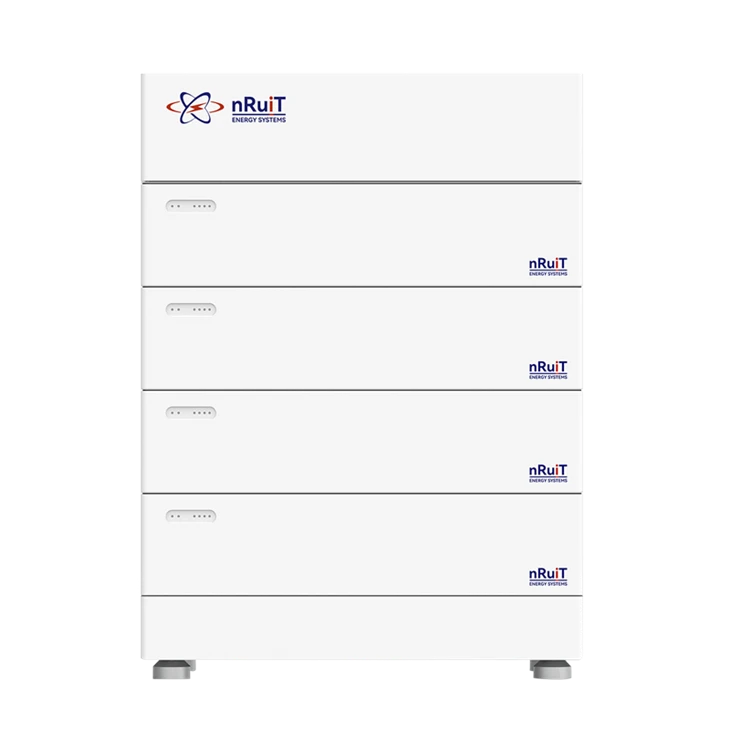

Another important aspect is safety. Higher - voltage batteries need more careful handling and proper safety mechanisms to prevent things like over - charging, over - discharging, and short - circuits. At our company, we take safety seriously. All our stacked energy batteries come with built - in protection circuits to ensure long - term and safe operation.
So, to sum it all up, the voltage of a stacked energy battery can vary widely depending on the connection of the cells and the specific application. Whether you're looking for a battery for your home, an industrial machine, or a portable device, understanding the voltage and how it relates to your power needs is key.
If you're in the market for a stacked energy battery and have any questions about voltage, capacity, or any other features, don't hesitate to reach out. We're here to help you find the perfect battery for your needs. Our team of experts can guide you through the selection process and make sure you get the best product for your money.
Contact us today to start the procurement and negotiation process. We're looking forward to working with you!
References
- Battery Technology Handbook
- Principles of Energy Storage Systems