

What is the maximum discharge current of a stacked energy battery?
Jan 22, 2026
Leave a message
What is the Maximum Discharge Current of a Stacked Energy Battery?
As a supplier of stacked energy batteries, I am often asked about the maximum discharge current of these batteries. This is a crucial parameter that can significantly impact the performance and applications of stacked energy batteries. In this blog post, I will delve into the concept of maximum discharge current, the factors that influence it, and how it affects the use of our stacked energy battery products: 30KWH Stacked Lithium Battery, 51.2V 100AH Stacked Lithium Battery, and Home Energy Storage Solar Stacked Battery.
Understanding the Maximum Discharge Current
The maximum discharge current of a battery refers to the highest current that the battery can safely supply over a specified period without causing significant damage to the battery or compromising its performance. It is usually expressed in amperes (A). When a battery discharges at a current higher than its maximum discharge current, several negative consequences may occur. These include overheating, which can accelerate the degradation of the battery's internal components, reducing its lifespan. Additionally, excessive discharge current can lead to a rapid drop in voltage, which may cause the connected device to malfunction.
For stacked energy batteries, which are composed of multiple battery cells connected in series or parallel, the maximum discharge current is determined by the characteristics of the individual cells and the way they are configured. In a series connection, the current flowing through each cell is the same. Therefore, the maximum discharge current of the stack is limited by the cell with the lowest maximum discharge current rating. In a parallel connection, the total current is divided among the cells. The maximum discharge current of the stack is the sum of the maximum discharge currents of the individual cells, assuming they are identical.
Factors Affecting the Maximum Discharge Current
Several factors can influence the maximum discharge current of a stacked energy battery.
Battery Chemistry
Different battery chemistries have different inherent abilities to supply current. For example, lithium - ion batteries are known for their relatively high - rate capabilities compared to lead - acid batteries. Lithium - ion batteries can typically handle higher discharge currents without significant performance degradation. This is because of the fast ion diffusion and charge transfer kinetics within the lithium - ion battery structure. Among lithium - ion batteries, different cathode materials also have varying maximum discharge current capabilities. Lithium iron phosphate (LiFePO4) batteries, for instance, are often used in high - power applications due to their relatively high discharge current tolerance and good thermal stability.
Cell Design and Construction
The physical design and construction of the battery cells play a vital role in determining the maximum discharge current. Cells with larger electrode surface areas allow for more extensive electrochemical reactions to occur simultaneously, enabling higher current flow. Additionally, the quality of the electrolyte and the separator materials can affect the ionic conductivity within the cell. A high - quality electrolyte with good conductivity can facilitate the movement of ions between the electrodes, supporting higher discharge currents.
Temperature
Temperature has a significant impact on the maximum discharge current of a battery. At low temperatures, the ionic conductivity of the electrolyte decreases, and the chemical reactions within the cell slow down. This leads to a reduction in the maximum discharge current that the battery can sustain. On the other hand, high temperatures can increase the internal resistance of the battery and accelerate self - discharge. While the battery may initially be able to supply a higher current at elevated temperatures, prolonged operation at high temperatures can cause permanent damage to the battery. Therefore, maintaining an optimal operating temperature range is crucial for maximizing the maximum discharge current of a stacked energy battery.
State of Charge (SOC)
The state of charge of the battery also affects its maximum discharge current. When the battery is fully charged, it generally has a higher maximum discharge current capacity compared to when it is almost depleted. As the battery discharges, the concentration of active materials at the electrodes decreases, and the internal resistance increases. This limits the ability of the battery to supply high currents towards the end of its discharge cycle.
Importance of the Maximum Discharge Current in Applications
Understanding the maximum discharge current is essential for proper system design and safe operation in various applications.
Electric Vehicles (EVs)
In electric vehicles, the maximum discharge current of the battery pack is critical for providing the necessary power to the electric motor, especially during acceleration and high - speed driving. A battery with a high maximum discharge current can enable the vehicle to achieve better acceleration performance. However, ensuring that the battery is not discharged at a current higher than its maximum rating is necessary to prevent overheating and premature battery degradation.
Renewable Energy Storage Systems
Renewable energy sources such as solar and wind are intermittent. Stacked energy batteries used in home energy storage systems need to be able to supply high currents during peak demand periods or when the renewable energy source is not available. For example, our Home Energy Storage Solar Stacked Battery needs to be sized and selected based on the maximum discharge current requirements of the household appliances and the overall energy consumption pattern.

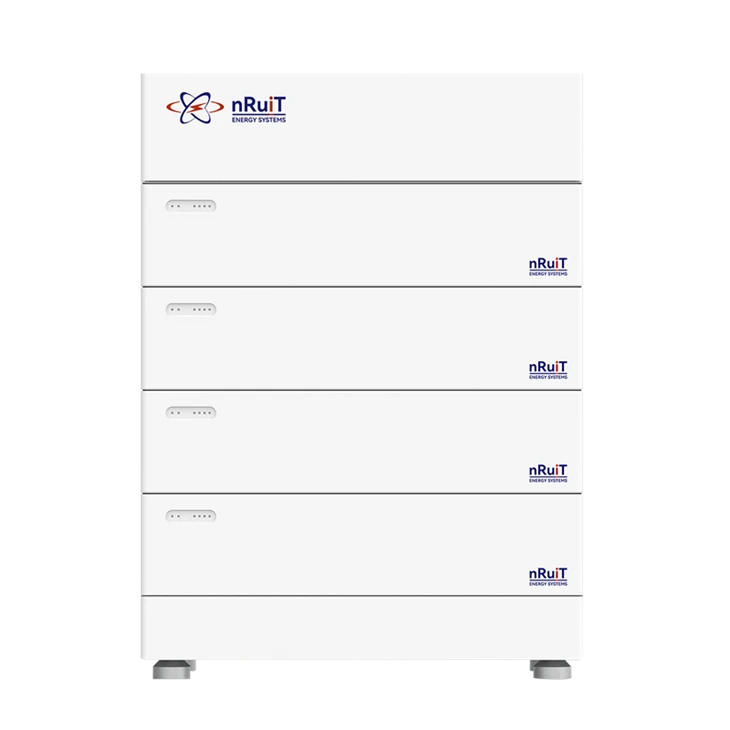
Our Stacked Energy Battery Products and Maximum Discharge Current
As a supplier, we offer a range of stacked energy battery products with different maximum discharge current ratings to meet the diverse needs of our customers.
The 30KWH Stacked Lithium Battery is designed for large - scale energy storage applications. It is built with high - quality lithium - ion cells that are carefully selected for their high - rate discharge capabilities. The stack is configured in a way that maximizes the overall maximum discharge current while ensuring the safety and longevity of the battery.
Our 51.2V 100AH Stacked Lithium Battery is suitable for smaller - scale applications such as off - grid power systems and backup power supplies. It provides a reliable power source with a well - defined maximum discharge current that can support the connected devices without any issues.
Contact for Purchasing and Consultation
If you are interested in our stacked energy battery products or have questions about the maximum discharge current or any other technical specifications, we are here to assist you. Whether you are an individual looking for a home energy storage solution or a business in need of large - scale energy storage systems, our team of experts can provide you with detailed information and guidance. We can help you select the right battery product based on your specific requirements and ensure that you get the most out of your investment. Please reach out to us to start a discussion about your energy storage needs.
References
- Linden, D., & Reddy, T. B. (2002). Handbook of Batteries. McGraw - Hill.
- Tarascon, J. M., & Armand, M. (2001). Issues and challenges facing rechargeable lithium batteries. Nature, 414(6861), 359 - 367.