

What is the thermal management system of a wall mounted LFP battery?
May 12, 2026
Leave a message
As a supplier of Wall Mounted LFP Batteries, I'm excited to delve into the crucial topic of the thermal management system of these batteries. Lithium iron phosphate (LFP) batteries have gained significant popularity in recent years due to their high energy density, long cycle life, and enhanced safety features. Wall-mounted LFP batteries, in particular, are a convenient and space-saving solution for residential and commercial energy storage applications. However, to ensure their optimal performance and longevity, an effective thermal management system is essential.
The Importance of Thermal Management in Wall Mounted LFP Batteries
LFP batteries are sensitive to temperature variations. Operating outside the recommended temperature range can significantly impact their performance, capacity, and lifespan. High temperatures can accelerate the degradation of the battery's electrodes, leading to a reduction in capacity and an increase in internal resistance. On the other hand, low temperatures can reduce the battery's power output and increase its internal resistance, making it less efficient.
A well-designed thermal management system helps to maintain the battery within its optimal temperature range, ensuring consistent performance and extending its lifespan. It also enhances the safety of the battery by preventing overheating, which can lead to thermal runaway and potentially cause a fire or explosion.
Components of a Thermal Management System
A typical thermal management system for a wall-mounted LFP battery consists of the following components:
- Thermal Sensors: These sensors are used to monitor the temperature of the battery cells and the surrounding environment. They provide real-time data to the battery management system (BMS), which can then adjust the thermal management system accordingly.
- Cooling System: The cooling system is responsible for removing heat from the battery. There are several types of cooling systems available, including air cooling, liquid cooling, and phase change material (PCM) cooling.
- Heating System: In cold environments, a heating system may be required to maintain the battery at its optimal temperature. This can be achieved using resistive heaters or heat pumps.
- Battery Management System (BMS): The BMS is the brain of the thermal management system. It monitors the temperature, voltage, and current of the battery cells and controls the operation of the cooling and heating systems. It also ensures that the battery is charged and discharged within its safe operating limits.
Types of Cooling Systems
Air Cooling
Air cooling is the simplest and most cost-effective method of cooling a wall-mounted LFP battery. It involves using fans to circulate air around the battery cells, removing heat through convection. Air cooling is suitable for small to medium-sized batteries with low power requirements. However, it may not be sufficient for larger batteries or applications with high power demands.
Liquid Cooling
Liquid cooling is a more efficient method of cooling than air cooling. It involves using a liquid coolant, such as water or a glycol-water mixture, to remove heat from the battery cells. The coolant is circulated through a network of pipes or channels in the battery pack, absorbing heat from the cells and transferring it to a heat exchanger. Liquid cooling is suitable for larger batteries and applications with high power demands.
Phase Change Material (PCM) Cooling
PCM cooling is a relatively new technology that uses a phase change material to absorb and release heat. The PCM is a substance that changes from a solid to a liquid state at a specific temperature, absorbing heat in the process. When the temperature of the battery rises, the PCM melts, absorbing heat and keeping the battery cool. When the temperature drops, the PCM solidifies, releasing the stored heat. PCM cooling is a passive cooling method that does not require any external power source. It is suitable for applications where space is limited and where a high level of thermal management is required.
Design Considerations for a Thermal Management System
When designing a thermal management system for a wall-mounted LFP battery, several factors need to be considered, including:
- Battery Capacity and Power Requirements: The size and power requirements of the battery will determine the type and size of the cooling system required.
- Operating Environment: The ambient temperature and humidity of the operating environment will also affect the design of the thermal management system. For example, in a hot and humid environment, a more efficient cooling system may be required.
- Safety Requirements: The thermal management system must be designed to ensure the safety of the battery and the surrounding environment. This includes preventing overheating, short circuits, and thermal runaway.
- Cost and Efficiency: The cost and efficiency of the thermal management system are also important considerations. A more efficient cooling system may be more expensive, but it can also reduce the operating costs of the battery over its lifespan.
Benefits of a Well-Designed Thermal Management System
A well-designed thermal management system offers several benefits, including:
- Improved Performance: By maintaining the battery within its optimal temperature range, a thermal management system can improve the performance of the battery, including its capacity, power output, and efficiency.
- Extended Lifespan: A thermal management system can help to extend the lifespan of the battery by reducing the rate of degradation of the battery's electrodes.
- Enhanced Safety: A thermal management system can enhance the safety of the battery by preventing overheating, which can lead to thermal runaway and potentially cause a fire or explosion.
- Reduced Operating Costs: By improving the efficiency of the battery, a thermal management system can reduce the operating costs of the battery over its lifespan.
Conclusion
In conclusion, a well-designed thermal management system is essential for the optimal performance, longevity, and safety of wall-mounted LFP batteries. As a supplier of Wall Mounted LFP Battery, we understand the importance of thermal management and offer a range of batteries with advanced thermal management systems. Our 15KWH Household Energy Storage Battery and 51.2V 280AH Lithium Iron Phosphate Battery are designed to provide reliable and efficient energy storage solutions for residential and commercial applications.
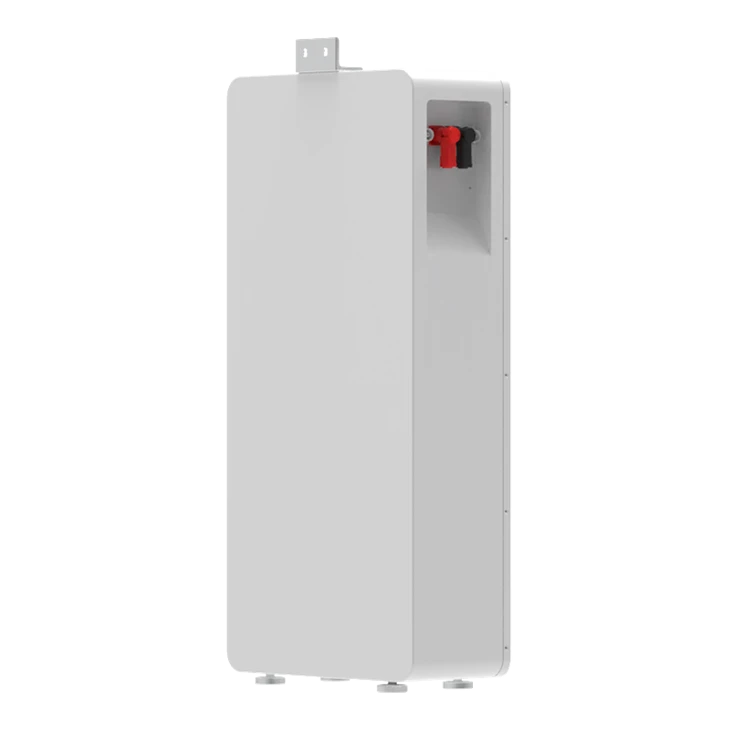

If you are interested in learning more about our wall-mounted LFP batteries or have any questions about thermal management, please contact us to discuss your specific requirements and explore potential purchasing opportunities.
References
- Chen, Z., Liu, X., & Yang, J. (2017). Thermal management strategies for lithium-ion batteries. Journal of Power Sources, 347, 1-15.
- Wang, X., & Dai, Y. (2018). Thermal management of lithium-ion batteries: A review. Renewable and Sustainable Energy Reviews, 81, 1909-1927.
- Zhang, X., & Zhao, T. (2019). Thermal management of lithium-ion batteries for electric vehicles: A review. Applied Energy, 252, 113431.