

What is the protection level of an indoor energy storage battery cabinet?
Dec 02, 2025
Leave a message
As a supplier of Indoor Energy Storage Battery Cabinets, I often encounter inquiries about the protection level of these cabinets. Understanding the protection level is crucial for ensuring the safety, reliability, and longevity of the energy storage system. In this blog post, I will delve into the concept of protection levels, explain the relevant standards, and discuss the importance of choosing the right protection level for indoor energy storage battery cabinets.
What is the Protection Level?
The protection level of an indoor energy storage battery cabinet refers to its ability to protect the internal components from various external factors, such as dust, water, and mechanical damage. It is typically denoted by an IP (Ingress Protection) code, which consists of two digits. The first digit represents the level of protection against solid objects, while the second digit represents the level of protection against liquids.
The IP code system is defined by the International Electrotechnical Commission (IEC) standard 60529. According to this standard, the first digit can range from 0 to 6, with 0 indicating no protection and 6 indicating complete protection against dust. The second digit can range from 0 to 9, with 0 indicating no protection and 9 indicating protection against high-pressure, high-temperature water jets.
For example, an IP54-rated indoor energy storage battery cabinet provides protection against dust ingress (5) and splashing water (4). This means that the cabinet is protected against the ingress of dust to a degree that it will not interfere with the normal operation of the equipment, and it can withstand splashing water from any direction without causing damage.
Importance of Protection Level
Choosing the right protection level for an indoor energy storage battery cabinet is essential for several reasons:
Safety
The primary concern when dealing with energy storage systems is safety. A high protection level ensures that the battery cabinet is protected against external factors that could potentially cause a safety hazard, such as dust and water ingress. Dust can accumulate on the internal components of the cabinet, leading to overheating and potential fire hazards. Water ingress can cause short circuits and electrical failures, which can also pose a significant safety risk.
Reliability
A well-protected battery cabinet is more likely to operate reliably over its lifespan. By preventing dust and water from entering the cabinet, the internal components are less likely to be damaged, reducing the risk of system failures and downtime. This is particularly important for applications where continuous power supply is critical, such as data centers, hospitals, and industrial facilities.
Longevity
The protection level of the battery cabinet can also have a significant impact on its longevity. Dust and water can cause corrosion and damage to the internal components, shortening their lifespan. By choosing a cabinet with a high protection level, you can ensure that the battery system will last longer, reducing the need for frequent replacements and maintenance.
Factors to Consider When Choosing a Protection Level
When choosing the protection level for an indoor energy storage battery cabinet, several factors should be considered:
Environment
The environment in which the battery cabinet will be installed is one of the most important factors to consider. If the cabinet will be installed in a clean, dry environment, a lower protection level may be sufficient. However, if the cabinet will be installed in a dusty or humid environment, a higher protection level may be required.
Application
The application for which the battery cabinet will be used also plays a role in determining the appropriate protection level. For example, if the cabinet will be used in a critical application where continuous power supply is essential, a higher protection level may be necessary to ensure the reliability and safety of the system.
Cost
The protection level of the battery cabinet can also affect its cost. Higher protection levels typically require more advanced sealing and construction techniques, which can increase the cost of the cabinet. Therefore, it is important to balance the need for protection with the budget available.
Our Indoor Energy Storage Battery Cabinets
As a supplier of Indoor Energy Storage Battery Cabinets, we offer a range of products with different protection levels to meet the diverse needs of our customers. Our cabinets are designed and manufactured to the highest standards of quality and safety, ensuring reliable performance and long-term durability.
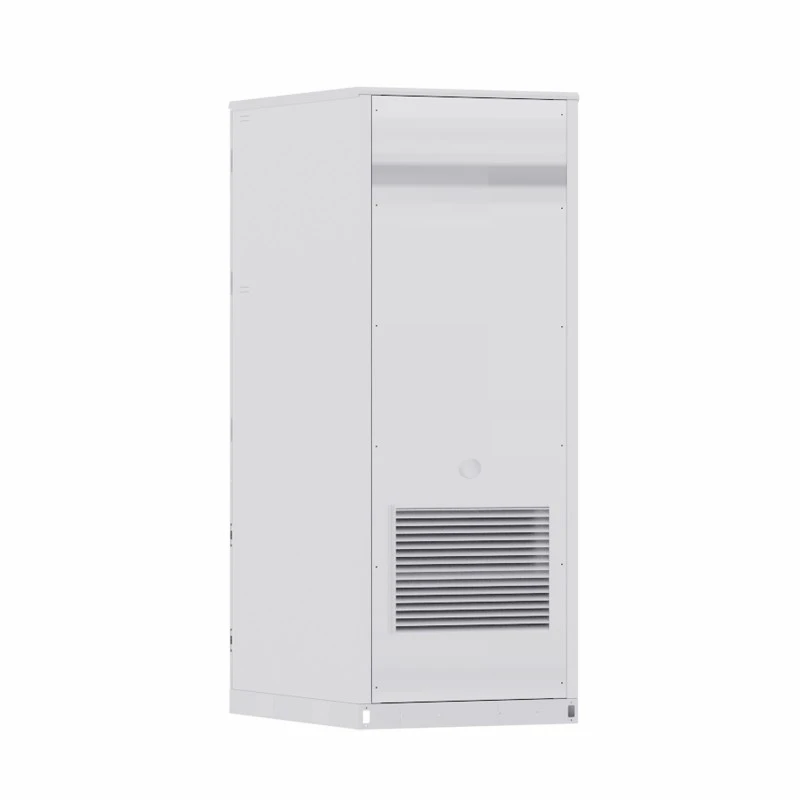

For customers who require a high level of protection, we offer IP54-rated cabinets that provide excellent protection against dust and splashing water. These cabinets are suitable for a wide range of applications, including data centers, hospitals, and industrial facilities.
In addition to our indoor cabinets, we also offer outdoor energy storage solutions, such as the 261KWH Outdoor Cabinet, Container Energy Storage System, and Outdoor Energy Storage Battery Cabinet. These products are designed to withstand the harsh outdoor environment and provide reliable energy storage solutions for a variety of applications.
Conclusion
In conclusion, the protection level of an indoor energy storage battery cabinet is an important factor to consider when choosing a system. By understanding the concept of protection levels, the relevant standards, and the factors that affect the choice of protection level, you can make an informed decision that ensures the safety, reliability, and longevity of your energy storage system.
If you are interested in learning more about our Indoor Energy Storage Battery Cabinets or any of our other energy storage solutions, please feel free to contact us. Our team of experts is available to answer your questions and provide you with the information you need to make the right choice for your application. We look forward to working with you to meet your energy storage needs.
References
- International Electrotechnical Commission (IEC) standard 60529. Ingress protection (IP) code.