

What are the main components of a Container Energy Storage System?
Dec 02, 2025
Leave a message
Hey there! As a supplier of Container Energy Storage Systems, I'm super stoked to chat with you about the main components that make these systems tick. Container energy storage systems are like powerhouses on wheels (well, not literally wheels, but you get the idea). They're designed to store and distribute energy efficiently, and they're becoming more and more popular in a variety of industries.
Let's start with the heart of the system: the battery pack. The battery pack is where all the energy is stored. It's like a big rechargeable battery, but on a much larger scale. There are different types of batteries that can be used in container energy storage systems, but lithium-ion batteries are the most common these days. They're known for their high energy density, long lifespan, and relatively low self-discharge rate.
Lithium-ion batteries come in different shapes and sizes, and they can be arranged in various configurations to meet the specific energy storage needs of a project. For example, if you need a high-capacity system, you might choose a larger battery pack with more cells. On the other hand, if you're looking for a more compact solution, you could go for a smaller battery pack with fewer cells.
One of the great things about lithium-ion batteries is that they can be charged and discharged multiple times without losing much of their capacity. This makes them ideal for use in energy storage systems, where they need to be able to store and release energy on demand.
Now, let's talk about the battery management system (BMS). The BMS is like the brain of the battery pack. It's responsible for monitoring and controlling the charging and discharging of the batteries to ensure their safety and optimal performance.
The BMS does a bunch of important things. It keeps track of the state of charge (SOC) and state of health (SOH) of each battery cell. This information is crucial for determining when the batteries need to be charged or discharged, and for detecting any potential problems early on.
The BMS also protects the batteries from overcharging, over-discharging, and overheating. It does this by regulating the current and voltage flowing in and out of the battery pack. If it detects a problem, it can take steps to prevent damage to the batteries, such as shutting down the charging or discharging process.
In addition to monitoring and protecting the batteries, the BMS also provides communication interfaces that allow it to interact with other components of the energy storage system, such as the power conversion system (PCS).
Speaking of the PCS, this is another key component of a container energy storage system. The PCS is responsible for converting the direct current (DC) power stored in the battery pack into alternating current (AC) power that can be used by the electrical grid or other electrical loads.
The PCS works by using power electronics to control the flow of electricity between the battery pack and the grid. It can also perform other functions, such as power factor correction and voltage regulation.
There are different types of PCSs available, depending on the specific requirements of the energy storage system. For example, some PCSs are designed for use in grid-connected systems, while others are suitable for off-grid applications.
Another important component of a container energy storage system is the thermal management system. The thermal management system is responsible for keeping the batteries at an optimal temperature. This is important because the performance and lifespan of lithium-ion batteries are highly dependent on temperature.
If the batteries get too hot, they can degrade more quickly, and their capacity can decrease. On the other hand, if they get too cold, their performance can be affected, and they may not be able to deliver as much power.
The thermal management system uses various techniques to regulate the temperature of the batteries. This can include using fans, heat exchangers, or cooling liquids to remove heat from the battery pack. In some cases, the thermal management system may also be able to heat the batteries if they get too cold.
In addition to the battery pack, BMS, PCS, and thermal management system, a container energy storage system may also include other components, such as a control system, a monitoring system, and a protection system.
The control system is responsible for managing the overall operation of the energy storage system. It can be programmed to perform various functions, such as charging and discharging the batteries at specific times, or responding to changes in the electrical grid.
The monitoring system is used to collect and analyze data from the various components of the energy storage system. This data can be used to monitor the performance of the system, detect any potential problems, and make adjustments as needed.
The protection system is designed to protect the energy storage system from various types of faults and hazards, such as short circuits, overcurrents, and overvoltages. It can include devices such as fuses, circuit breakers, and surge protectors.
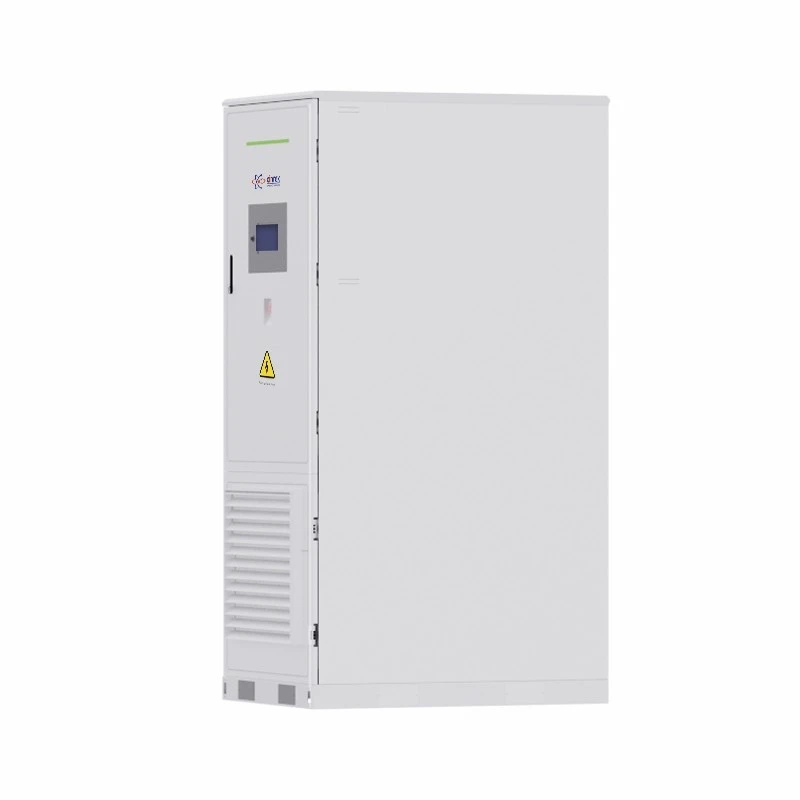
Now, I want to mention a few of our products that are part of our container energy storage system offerings. We have the Solar Energy Storage Battery Cabinet, which is a great option for storing solar energy. It's designed to be compact and efficient, and it can be easily integrated into a solar power system.
We also have the 200kWH Battery Energy Storage, which is a high-capacity energy storage solution. This system is suitable for a wide range of applications, from residential to commercial and industrial.
And if you're looking for an outdoor solution, our 261KWH Outdoor Cabinet is a great choice. It's designed to be weatherproof and durable, and it can withstand harsh outdoor conditions.
So, there you have it - the main components of a container energy storage system. These systems are complex and sophisticated, but they offer a lot of benefits, such as increased energy efficiency, reliability, and flexibility.
If you're interested in learning more about our container energy storage systems or have any questions about how they can meet your energy storage needs, don't hesitate to reach out. We're here to help you find the right solution for your project. Whether you're a small business owner looking to reduce your energy costs or a large utility company looking to improve grid stability, we have the expertise and products to support you.
Let's start a conversation about how our container energy storage systems can make a difference for you. Contact us today to discuss your requirements and get a customized quote.
References
- "Lithium-Ion Batteries: Science and Technologies" by Yung-Ming Chiang, et al.
- "Power Electronics: Converters, Applications, and Design" by Ned Mohan, et al.