

What are the differences in Container Energy Storage Systems for different industries?
Mar 02, 2026
Leave a message
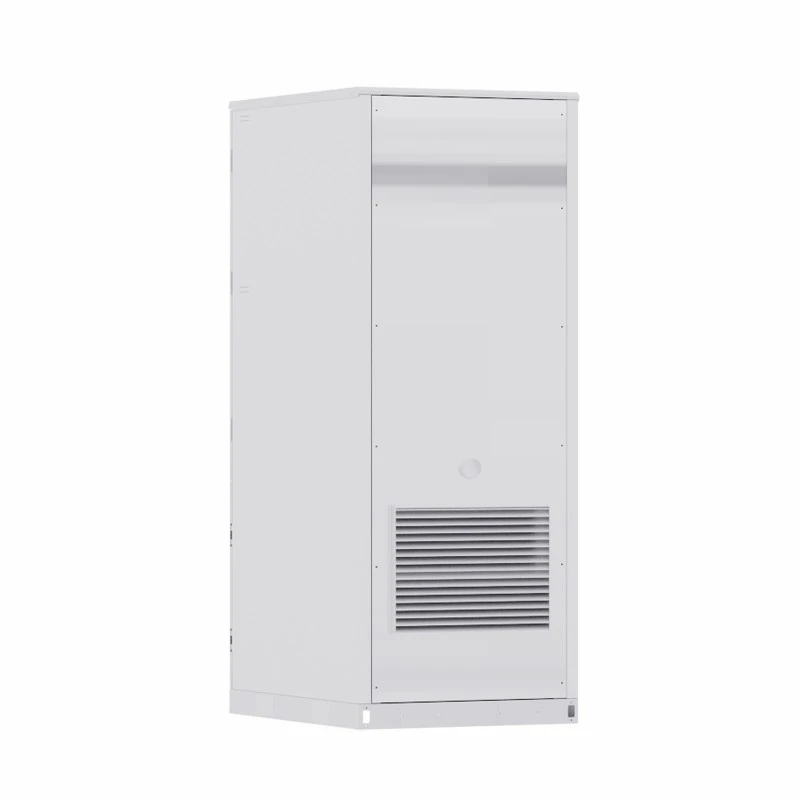
Container energy storage systems (ESS) have emerged as a versatile solution for various industries, offering flexibility, scalability, and rapid deployment. As a leading supplier of Container Energy Storage System, I've witnessed firsthand how these systems are tailored to meet the distinct needs of different sectors. In this blog, we'll explore the key differences in container ESS across various industries, highlighting the unique requirements and benefits that each sector demands.
Energy Generation and Distribution
The energy generation and distribution industry stands at the forefront of the transition towards renewable energy sources. Container ESS play a crucial role in this sector by providing grid stabilization, peak shaving, and energy arbitrage.
Grid Stabilization
Renewable energy sources such as solar and wind are intermittent, which can cause fluctuations in the grid. Container ESS can store excess energy during periods of high production and release it during peak demand, helping to maintain a stable and reliable power supply. For example, a large wind farm may experience sudden drops in power output due to changes in wind speed. A container ESS can quickly compensate for these fluctuations, ensuring a smooth flow of electricity to the grid.
Peak Shaving
Peak shaving involves reducing the demand for electricity during periods of high consumption. By discharging stored energy during peak hours, container ESS can help utilities avoid the need to build additional power plants or purchase expensive electricity from the grid. This not only reduces costs but also improves the overall efficiency of the energy system.
Energy Arbitrage
Energy arbitrage is the practice of buying electricity at low prices and selling it at high prices. Container ESS can take advantage of price differences between off-peak and peak hours, allowing utilities to maximize their revenue. For instance, a utility can charge the ESS during off-peak hours when electricity prices are low and discharge it during peak hours when prices are high.
Industrial Manufacturing
Industrial manufacturing facilities have high energy demands and require reliable power supply to ensure uninterrupted production. Container ESS can provide several benefits to this sector, including backup power, load management, and cost savings.
Backup Power
In the event of a power outage, container ESS can provide immediate backup power to critical equipment, preventing production losses and minimizing downtime. This is particularly important for industries such as semiconductor manufacturing, where even a brief power interruption can result in significant financial losses.
Load Management
Industrial facilities often experience large fluctuations in energy consumption throughout the day. Container ESS can help manage these loads by storing excess energy during periods of low demand and releasing it during peak demand. This not only reduces the strain on the grid but also helps to lower electricity costs.
Cost Savings
By reducing peak demand and taking advantage of off-peak electricity rates, container ESS can help industrial manufacturers save on their energy bills. Additionally, the use of ESS can reduce the need for expensive on-site generators, further lowering costs.
Commercial Buildings
Commercial buildings, such as offices, shopping malls, and hotels, have unique energy requirements that can be met by container ESS. These systems can provide backup power, demand response, and energy management solutions.
Backup Power
Similar to industrial facilities, commercial buildings require reliable backup power to ensure the safety and comfort of their occupants. Container ESS can provide immediate power in the event of a power outage, allowing essential systems such as lighting, HVAC, and security to continue operating.
Demand Response
Demand response programs incentivize commercial building owners to reduce their energy consumption during periods of high demand. Container ESS can participate in these programs by discharging stored energy when called upon, helping to reduce the overall load on the grid and earn financial incentives for the building owner.
Energy Management
Container ESS can be integrated with a building's energy management system to optimize energy consumption and reduce costs. For example, the ESS can be programmed to charge during off-peak hours and discharge during peak hours, reducing the building's reliance on the grid and lowering electricity bills.
Telecommunications
The telecommunications industry relies on a continuous and reliable power supply to ensure the uninterrupted operation of its networks. Container ESS can provide backup power, load leveling, and energy efficiency solutions for this sector.
Backup Power
Telecommunication towers and data centers require backup power to prevent service disruptions in the event of a power outage. Container ESS can provide long-duration backup power, ensuring that critical communication systems remain operational during emergencies.
Load Leveling
Telecommunication networks experience varying levels of energy consumption throughout the day. Container ESS can help level these loads by storing excess energy during periods of low demand and releasing it during peak demand, reducing the strain on the grid and improving the overall efficiency of the network.
Energy Efficiency
By reducing peak demand and optimizing energy consumption, container ESS can help telecommunications companies improve their energy efficiency and reduce their carbon footprint. This not only benefits the environment but also helps to reduce operating costs.
Transportation
The transportation industry is undergoing a significant transformation, with the increasing adoption of electric vehicles (EVs) and the development of smart transportation systems. Container ESS can play a crucial role in supporting this transition by providing charging infrastructure, grid integration, and energy management solutions.
Charging Infrastructure
As the number of EVs on the road continues to grow, there is a need for a reliable and efficient charging infrastructure. Container ESS can be used to provide fast charging stations for EVs, reducing charging times and increasing the availability of charging infrastructure.
Grid Integration
The widespread adoption of EVs can put a strain on the existing grid infrastructure. Container ESS can help integrate EV charging with the grid by storing excess energy during off-peak hours and discharging it during peak demand, reducing the impact on the grid and improving its stability.
Energy Management
Container ESS can be used to manage the energy consumption of transportation systems, such as electric buses and trains. By storing excess energy during periods of low demand and releasing it during peak demand, these systems can reduce their energy costs and improve their overall efficiency.
Key Considerations for Different Industries
When selecting a container ESS for a specific industry, several key considerations should be taken into account. These include:
Energy Capacity
The energy capacity of the ESS should be carefully selected based on the specific energy requirements of the industry. For example, industrial manufacturing facilities may require larger ESS with higher energy capacities to meet their high energy demands, while commercial buildings may require smaller ESS with lower energy capacities.
Power Output
The power output of the ESS should also be considered, as it determines the rate at which the ESS can charge and discharge. Industries with high power demands, such as data centers and electric vehicle charging stations, may require ESS with higher power outputs.
Cycle Life
The cycle life of the ESS refers to the number of charge and discharge cycles that the battery can withstand before its performance begins to degrade. Industries that require frequent charging and discharging, such as renewable energy generation and distribution, may require ESS with longer cycle lives.
Safety
Safety is a critical consideration when selecting a container ESS. The ESS should be designed and manufactured to meet strict safety standards, and should include features such as overcharge protection, over-discharge protection, and thermal management systems.
Cost
The cost of the ESS is an important consideration, as it can have a significant impact on the overall economics of the project. When evaluating the cost of the ESS, it is important to consider not only the upfront cost but also the ongoing operating and maintenance costs.
Conclusion
Container energy storage systems offer a flexible and scalable solution for a wide range of industries, each with its own unique energy requirements. By understanding the differences in container ESS across various industries, businesses can select the most appropriate system to meet their specific needs. As a leading supplier of Container Energy Storage System, we are committed to providing high-quality, reliable, and cost-effective solutions for our customers. If you're interested in learning more about our products and how they can benefit your industry, please don't hesitate to contact us for a detailed consultation and procurement discussion. We look forward to working with you to achieve your energy goals.
References
- DOE. (2023). Energy Storage Technologies and Projects. U.S. Department of Energy.
- IEA. (2023). Energy Storage Market Report. International Energy Agency.
- Navigant Research. (2023). Global Containerized Energy Storage Systems Market Forecast. Navigant Research.