

What is the weight of a stacked energy battery?
Sep 22, 2025
Leave a message
What is the Weight of a Stacked Energy Battery?
As a supplier of stacked energy batteries, I often get asked about the weight of these power - packed devices. Understanding the weight of a stacked energy battery is crucial for various reasons, from installation and transportation to overall system design.
Stacked energy batteries come in a wide range of sizes and capacities, and their weight is directly related to these factors. The most common types of stacked energy batteries are lithium - based, which offer high energy density and long cycle life. Let's delve into the details of how different factors affect the weight of a stacked energy battery.
Battery Chemistry and Energy Density
The chemistry of the battery plays a significant role in determining its weight. Lithium - ion batteries, which are widely used in stacked energy battery systems, have a relatively high energy density compared to other battery chemistries such as lead - acid. Energy density is defined as the amount of energy stored per unit volume or mass. A higher energy density means that more energy can be stored in a smaller and lighter package.
For example, a lead - acid battery typically has an energy density of around 30 - 50 Wh/kg, while a lithium - ion battery can have an energy density ranging from 100 - 265 Wh/kg. This means that for the same amount of energy storage, a lithium - ion stacked energy battery will be significantly lighter than a lead - acid battery.
Capacity and Voltage
The capacity and voltage of a stacked energy battery are also major determinants of its weight. Capacity is measured in ampere - hours (Ah) or kilowatt - hours (kWh), and it represents the amount of charge the battery can store. Higher - capacity batteries generally weigh more because they contain more active materials to store the additional energy.
Voltage is another important factor. Batteries with higher voltages may require more cells to be stacked together, which can increase the overall weight. For instance, a 51.2V 100AH Stacked Lithium Battery will have a different weight compared to a lower - voltage, lower - capacity battery. The 100Ah capacity indicates a relatively large amount of energy storage, and the 51.2V voltage requires a specific arrangement of cells, all of which contribute to the battery's weight.
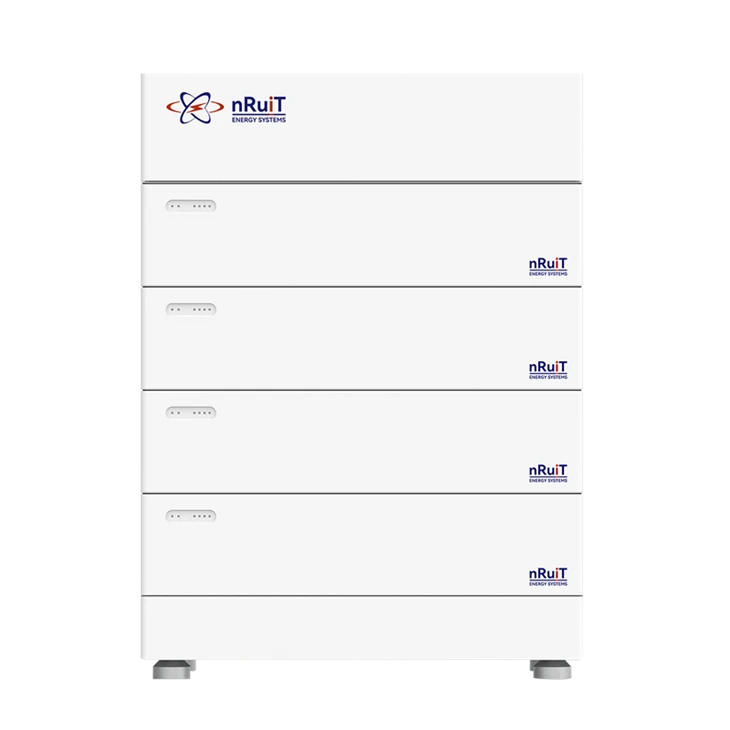
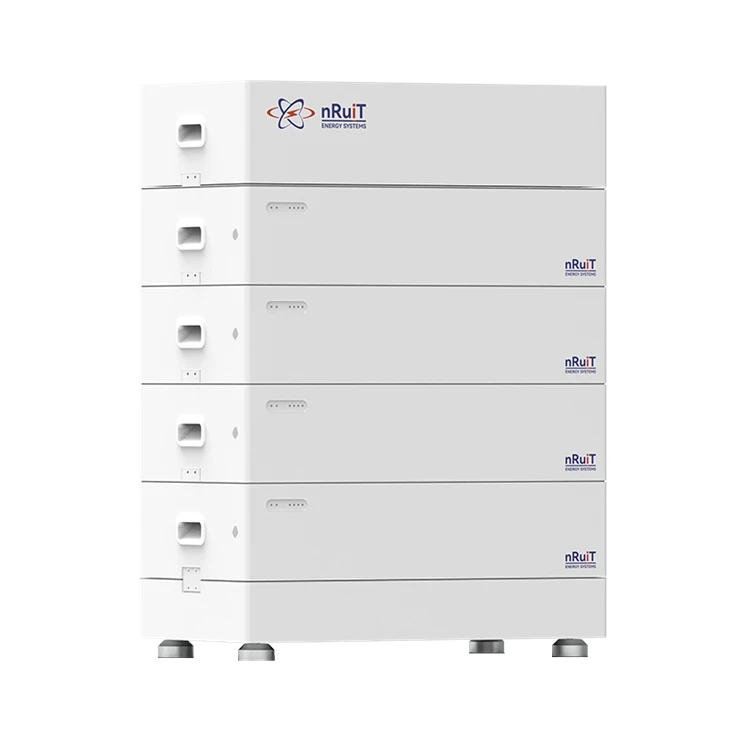
A 30KWH Stacked Lithium Battery is designed for larger - scale energy storage applications. With a capacity of 30 kilowatt - hours, it can power a significant amount of electrical equipment for an extended period. However, this high capacity comes at the cost of increased weight. The battery needs to have a large number of cells and a robust structure to handle the high energy levels, resulting in a heavier unit.
Physical Structure and Packaging
The physical structure and packaging of the stacked energy battery also impact its weight. Batteries need to be housed in a protective enclosure to prevent damage from external factors such as moisture, dust, and mechanical shock. The enclosure material, whether it's plastic, metal, or a combination of both, adds to the overall weight.
In addition, the internal structure of the battery, including the wiring, connectors, and management systems, contributes to the weight. A well - designed battery management system (BMS) is essential for ensuring the safe and efficient operation of the stacked energy battery. However, the components of the BMS, such as sensors, controllers, and circuit boards, add some extra weight to the battery.
Applications and Weight Considerations
The weight of a stacked energy battery is a critical consideration in different applications. In residential solar energy storage systems, for example, a Home Energy Storage Solar Stacked Battery needs to be installed in a convenient location, often in a basement or garage. The weight of the battery affects the ease of installation and the structural requirements of the installation site. A lighter battery is easier to handle and install, reducing the labor and time required for the installation process.
In mobile applications such as electric vehicles or portable power stations, weight is even more crucial. A lighter battery means less energy is required to move the vehicle or carry the power station, resulting in increased efficiency and longer operating ranges. In these applications, battery manufacturers are constantly striving to reduce the weight of stacked energy batteries without sacrificing capacity or performance.
Estimating the Weight of a Stacked Energy Battery
While it's difficult to provide an exact weight for all stacked energy batteries, we can make some general estimates based on the factors mentioned above. For a small - scale residential lithium - ion stacked energy battery with a capacity of around 5 - 10 kWh and a voltage of 48V, the weight might range from 50 - 150 kilograms.
For larger commercial or industrial batteries with capacities in the range of 30 - 100 kWh, the weight can be several hundred kilograms or even more. However, these estimates can vary significantly depending on the specific battery chemistry, design, and manufacturing process.
In conclusion, the weight of a stacked energy battery is influenced by multiple factors, including battery chemistry, capacity, voltage, physical structure, and packaging. As a supplier, we understand the importance of providing accurate information about the weight of our batteries to our customers. Whether you're looking for a small - scale home energy storage solution or a large - scale commercial battery system, we can help you choose the right battery based on your specific requirements, including weight considerations.
If you're interested in learning more about our stacked energy batteries or are ready to start a procurement discussion, please don't hesitate to reach out. We have a team of experts who can provide you with detailed product information, technical specifications, and pricing. Let's work together to find the perfect stacked energy battery solution for your needs.
References
- Linden, D., & Reddy, T. B. (2002). Handbook of Batteries. McGraw - Hill.
- Tarascon, J. M., & Armand, M. (2001). Issues and challenges facing rechargeable lithium batteries. Nature, 414(6861), 359 - 367.