

What is the transportation method for a Container Energy Storage System?
Dec 29, 2025
Leave a message
As a supplier of Container Energy Storage Systems, I've encountered numerous queries about the optimal transportation methods for these systems. Today, I aim to shed light on this crucial topic, exploring various transportation options and considerations to ensure the safe and efficient delivery of our energy storage solutions.

Understanding Container Energy Storage Systems
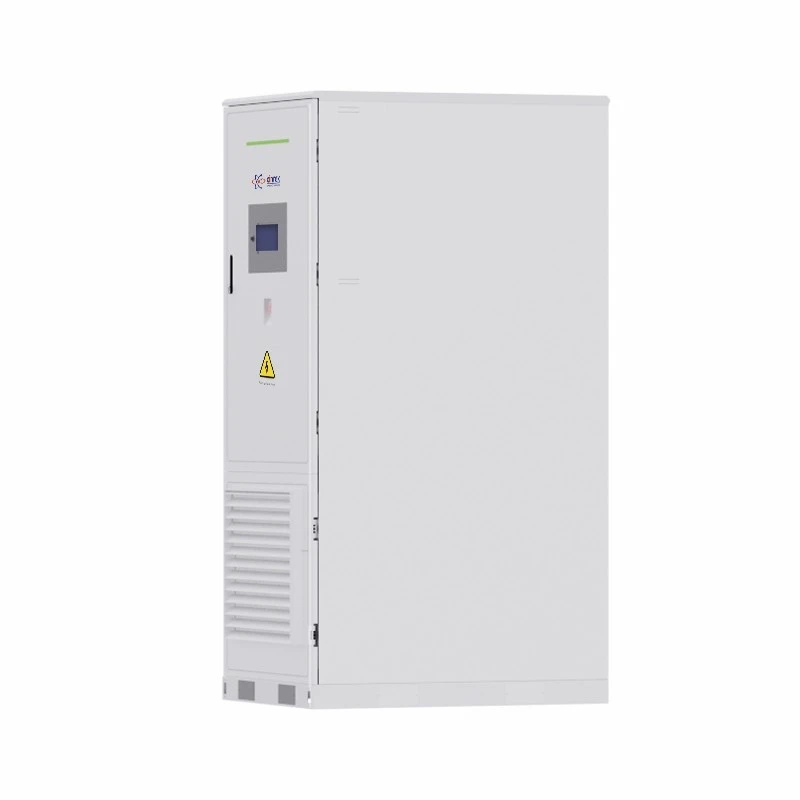
Before delving into transportation methods, it's essential to understand the nature of Container Energy Storage Systems. These systems are pre - assembled units that house batteries, power conversion equipment, and control systems within a standard shipping container. They are designed to provide a modular and scalable energy storage solution for various applications, including grid stabilization, renewable energy integration, and off - grid power supply.
Our company offers a range of Container Energy Storage Systems, such as the 261KWH Outdoor Cabinet, Solar Energy Storage Battery Cabinet, and Outdoor Energy Storage Battery Cabinet. These products are built with high - quality components and advanced technology to ensure reliability and performance.
Key Considerations for Transportation
Transporting Container Energy Storage Systems requires careful planning and consideration of several factors:
- Weight and Dimensions: Container Energy Storage Systems are heavy and bulky. Standard shipping containers typically have a maximum weight capacity of around 20 - 30 tons, and the energy storage equipment inside can add significant weight. It's crucial to ensure that the transportation vehicle can handle the load and that the dimensions of the container fit within the vehicle's cargo area.
- Safety Regulations: Energy storage systems, especially those with lithium - ion batteries, are subject to strict safety regulations during transportation. These regulations aim to prevent fire, explosion, and other hazards. Compliance with local and international safety standards, such as the International Maritime Dangerous Goods (IMDG) Code for sea transport and the Department of Transportation (DOT) regulations for land transport, is mandatory.
- Environmental Conditions: The energy storage system needs to be protected from extreme environmental conditions during transportation. High temperatures, humidity, and vibrations can affect the performance and lifespan of the batteries. Appropriate packaging and insulation should be used to safeguard the system.
- Handling Equipment: Specialized handling equipment, such as cranes and forklifts, is required to load and unload Container Energy Storage Systems. Ensuring that the transportation site has the necessary equipment and trained personnel is essential for a smooth and safe transfer.
Transportation Methods
Road Transport
Road transport is a common and flexible option for transporting Container Energy Storage Systems, especially for short - to medium - distance deliveries.
Advantages:
- Flexibility: Trucks can reach almost any destination, including remote areas where other transportation modes may not be accessible.
- Door - to - Door Service: Road transport offers the convenience of direct delivery from the supplier's facility to the customer's site.
- Quick Delivery: For nearby locations, road transport can provide relatively fast delivery times.
Disadvantages:
- Limited Capacity: Trucks have a limited weight and volume capacity compared to other modes of transport. For large - scale projects, multiple trips may be required.
- Traffic and Weather Dependence: Road transport is susceptible to traffic congestion and adverse weather conditions, which can cause delays.
Rail Transport
Rail transport is suitable for long - distance transportation of Container Energy Storage Systems, especially when large quantities need to be moved.
Advantages:
- High Capacity: Trains can carry a large number of containers at once, making them ideal for bulk shipments.
- Cost - Effective: For long - distance transport, rail can be more cost - effective than road transport, especially when fuel prices are high.
- Reliability: Rail schedules are generally more reliable than road transport, with fewer disruptions due to traffic.
Disadvantages:
- Limited Accessibility: Rail networks may not cover all areas, and additional road transport may be required for the final leg of the journey.
- Loading and Unloading: Specialized facilities are needed for loading and unloading containers from trains, which may not be available at all locations.
Sea Transport
Sea transport is the preferred option for international shipments of Container Energy Storage Systems.
Advantages:
- Large Capacity: Ships can carry a vast number of containers, making them suitable for large - scale exports.
- Cost - Efficiency: For long - distance international shipments, sea transport is often the most cost - effective option.
Disadvantages:
- Long Transit Times: Sea transport generally has longer transit times compared to road and rail transport, which may not be suitable for urgent deliveries.
- Port Congestion: Ports can experience congestion, leading to delays in loading and unloading.
Air Transport
Air transport is rarely used for transporting Container Energy Storage Systems due to its high cost and limited capacity. However, it may be considered for urgent and high - value shipments.
Advantages:
- Fast Delivery: Air transport offers the fastest delivery times, which can be crucial for time - sensitive projects.
Disadvantages:
- High Cost: The cost of air transport is significantly higher than other modes of transport.
- Limited Capacity: Aircraft have limited weight and volume capacity, making it difficult to transport large - scale Container Energy Storage Systems.
Best Practices for Safe Transportation
To ensure the safe transportation of Container Energy Storage Systems, the following best practices should be followed:
- Proper Packaging: Use high - quality packaging materials to protect the system from damage during transit. Shock - absorbing materials and waterproof covers can be used to safeguard the equipment.
- Battery Pre - Treatment: Before transportation, the batteries should be properly charged and balanced. Some batteries may need to be partially discharged to meet safety regulations.
- Monitoring and Tracking: Implement a monitoring and tracking system to keep an eye on the location, temperature, and other parameters of the Container Energy Storage System during transportation. This can help detect and address any potential issues in a timely manner.
- Training and Certification: Ensure that all personnel involved in the transportation process, including drivers, handlers, and loading/unloading operators, are properly trained and certified to handle energy storage systems.
Conclusion
Choosing the right transportation method for Container Energy Storage Systems is a critical decision that depends on various factors, such as distance, quantity, cost, and time constraints. Road transport offers flexibility and door - to - door service, while rail and sea transport are more suitable for long - distance and large - scale shipments. Air transport can be considered for urgent deliveries but comes with high costs.
As a supplier of Container Energy Storage Systems, we are committed to ensuring the safe and efficient transportation of our products. We work closely with our customers to understand their specific needs and provide customized transportation solutions. If you are interested in our Container Energy Storage Systems or have any questions about transportation, please feel free to contact us for a detailed discussion and procurement negotiation.
References
- International Maritime Dangerous Goods (IMDG) Code
- Department of Transportation (DOT) regulations
- Industry reports on energy storage system transportation