

What is the temperature range for a Container Energy Storage System to operate?
Dec 04, 2025
Leave a message
Hey there! As a supplier of Container Energy Storage Systems, I often get asked about the temperature range for these systems to operate. It's a crucial factor that can significantly impact the performance, lifespan, and safety of the energy storage system. So, let's dive right into it and explore what that temperature range is and why it matters.
Why Temperature Matters for Container Energy Storage Systems
First off, let's understand why temperature is such a big deal for container energy storage systems. These systems typically use lithium - ion batteries, which are known for their high energy density and long cycle life. However, lithium - ion batteries are sensitive to temperature.
When the temperature is too low, the chemical reactions inside the battery slow down. This leads to a decrease in the battery's capacity and power output. You might find that your energy storage system can't deliver as much energy as it's supposed to, or it might take longer to charge.
On the other hand, when the temperature is too high, the battery can experience accelerated degradation. The high temperature can cause the electrolyte in the battery to break down, leading to the formation of solid deposits on the electrodes. This not only reduces the battery's capacity over time but also increases the risk of thermal runaway, which is a very dangerous situation where the battery can overheat and potentially catch fire or explode.
The Ideal Temperature Range
The ideal temperature range for most Container Energy Storage Systems is generally between 20°C and 30°C (68°F and 86°F). In this range, the lithium - ion batteries can operate at their best. The chemical reactions inside the battery are efficient, which means the battery can deliver its rated capacity and power output. The battery also experiences less degradation, so it can last longer.
However, in real - world applications, it's not always possible to keep the temperature within this ideal range. That's why container energy storage systems are equipped with thermal management systems. These systems can either heat or cool the batteries to maintain a suitable temperature.
The Minimum Operating Temperature
The minimum operating temperature for a Container Energy Storage System usually ranges from - 20°C to - 10°C (- 4°F to 14°F). At these low temperatures, the battery's performance will be significantly reduced. The battery's internal resistance increases, which means that more energy is lost as heat during charging and discharging. The charging process also becomes slower, and in some cases, the battery might not be able to accept a full charge.
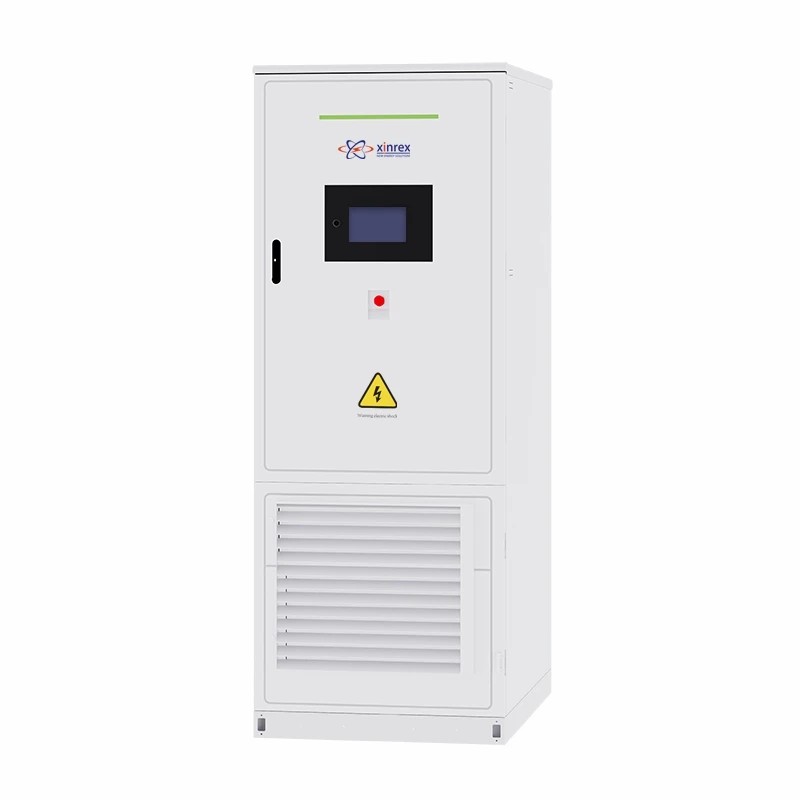

If you're operating a Container Energy Storage System in a cold climate, you need to make sure that the thermal management system is capable of heating the batteries to a suitable temperature. Some systems use electric heaters to warm up the batteries, while others use a more sophisticated heat - pump system.
The Maximum Operating Temperature
The maximum operating temperature for a Container Energy Storage System is typically around 50°C to 60°C (122°F to 140°F). At these high temperatures, the battery's degradation rate increases rapidly. The high temperature can cause the battery to lose capacity over time, and it also increases the risk of thermal runaway.
To prevent the batteries from overheating, container energy storage systems are equipped with cooling systems. These can be air - cooling systems, where fans are used to blow air over the batteries to dissipate heat, or liquid - cooling systems, which are more efficient at removing heat from the batteries.
Impact of Temperature on Different Types of Container Energy Storage Systems
There are different types of container energy storage systems, such as Indoor Energy Storage Battery Cabinet, 261KWH Outdoor Cabinet, and Solar Energy Storage Battery Cabinet. Each type has its own considerations when it comes to temperature.
Indoor energy storage battery cabinets are usually easier to control the temperature for. Since they are located indoors, they are less affected by the outdoor weather conditions. However, proper ventilation and air - conditioning are still necessary to maintain a suitable temperature.
Outdoor cabinets, like the 261KWH Outdoor Cabinet, are exposed to the elements. They need to be designed to withstand a wide range of temperatures. The thermal management system in these cabinets needs to be more robust to handle extreme cold and hot temperatures.
Solar energy storage battery cabinets are often installed in sunny locations. The solar panels can generate a lot of heat, which can affect the temperature of the energy storage system. These systems need to be designed to dissipate the heat effectively and maintain a suitable temperature for the batteries.
Tips for Operating Container Energy Storage Systems in Different Temperatures
- Cold Weather: If you're operating a Container Energy Storage System in cold weather, make sure that the thermal management system is turned on before you start using the system. This will help to warm up the batteries to a suitable temperature. You can also insulate the container to reduce heat loss.
- Hot Weather: In hot weather, ensure that the cooling system is working properly. Regularly check the air filters in air - cooling systems and the coolant levels in liquid - cooling systems. You can also provide shade for the container to reduce the amount of heat absorbed from the sun.
Conclusion
The temperature range for a Container Energy Storage System to operate is a critical factor that affects its performance, lifespan, and safety. The ideal temperature range is between 20°C and 30°C, but the system can operate between - 20°C to - 10°C at the lower end and 50°C to 60°C at the upper end with proper thermal management.
As a supplier of Container Energy Storage Systems, we understand the importance of temperature control. Our systems are designed with advanced thermal management systems to ensure that the batteries can operate within a suitable temperature range in different environments.
If you're interested in purchasing a Container Energy Storage System, whether it's an Indoor Energy Storage Battery Cabinet, 261KWH Outdoor Cabinet, or Solar Energy Storage Battery Cabinet, feel free to reach out to us for more information and to start a procurement discussion. We're here to help you find the best energy storage solution for your needs.
References
- "Lithium - Ion Batteries: Science and Technologies" by Yoshio Masuda
- "Battery Management Systems: Design by Modeling" by Andrei Stefan
- Industry reports on Container Energy Storage Systems from leading market research firms.