

What is the state - of - charge (SOC) of a stacked energy battery?
Apr 24, 2026
Leave a message
Hey there! As a supplier of stacked energy batteries, I often get asked about the state-of-charge (SOC) of these batteries. So, I thought I'd write a blog post to explain what SOC is, why it's important, and how it relates to our stacked energy batteries.
What is State-of-Charge (SOC)?
Let's start with the basics. The state-of-charge (SOC) of a battery is a measure of how much energy is currently stored in the battery compared to its maximum capacity. It's usually expressed as a percentage, where 0% means the battery is completely empty, and 100% means it's fully charged.
Think of it like your phone's battery indicator. When your phone says it has 50% battery left, that's the SOC. It gives you an idea of how much juice you've got left before you need to plug it in.
Why is SOC Important?
Understanding the SOC of a battery is crucial for several reasons. First and foremost, it helps you manage your energy usage. If you know the SOC of your stacked energy battery, you can plan your energy consumption accordingly. For example, if the SOC is low, you might want to conserve energy or charge the battery.
Secondly, SOC is important for battery health. Overcharging or discharging a battery beyond its recommended limits can damage the battery and reduce its lifespan. By monitoring the SOC, you can ensure that the battery is operated within its safe range.
Finally, SOC is essential for system integration. In a solar energy storage system, for instance, the SOC of the battery determines when the system should switch between using stored energy and drawing power from the grid.
How is SOC Measured?
There are several methods for measuring the SOC of a battery, each with its own advantages and disadvantages. The most common methods include:
- Voltage-based method: This method measures the battery's voltage and uses a pre-determined relationship between voltage and SOC to estimate the state of charge. While this method is simple and inexpensive, it can be inaccurate, especially at low SOC levels.
- Coulomb counting method: This method measures the amount of charge that has been added to or removed from the battery. By keeping track of the charge flow, it can accurately calculate the SOC. However, this method requires accurate current measurement and can be affected by factors such as battery self-discharge.
- Impedance spectroscopy method: This method measures the battery's impedance at different frequencies and uses the results to estimate the SOC. It is more accurate than the voltage-based method but is also more complex and expensive.
SOC and Stacked Energy Batteries
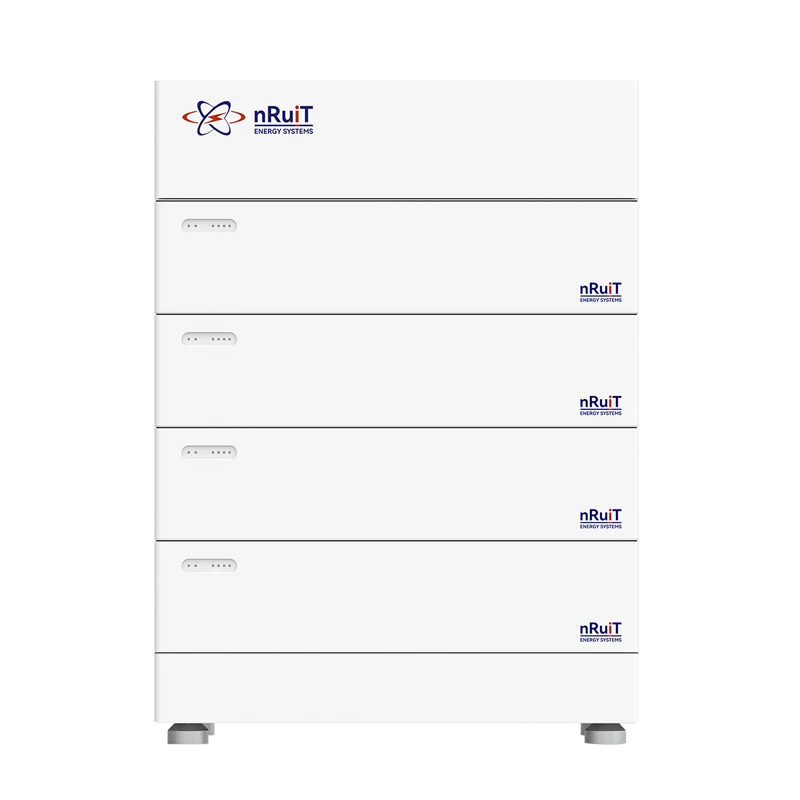
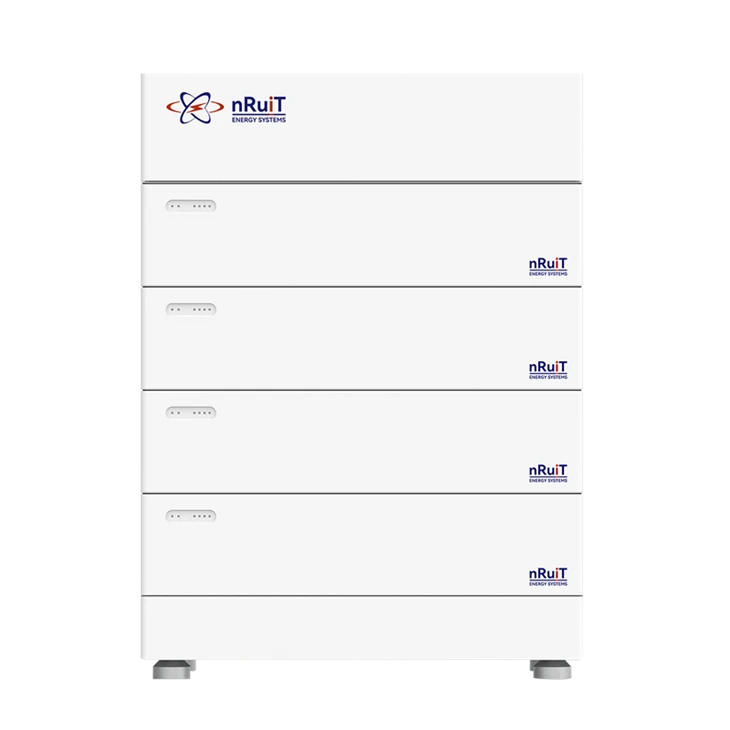
As a supplier of stacked energy batteries, we understand the importance of accurate SOC measurement. Our batteries are equipped with advanced battery management systems (BMS) that use a combination of the methods mentioned above to provide accurate SOC readings.
Our 30KWH Stacked Lithium Battery is a great example of a high-capacity stacked energy battery. With its advanced BMS, you can easily monitor the SOC and ensure that the battery is operating at its optimal level.
Similarly, our 51.2V 100AH Stacked Lithium Battery is designed for home energy storage applications. The BMS in this battery provides real-time SOC information, allowing you to manage your home energy usage more efficiently.
And if you're looking for a solar energy storage solution, our Home Energy Storage Solar Stacked Battery is the perfect choice. The SOC monitoring feature in this battery helps you make the most of your solar energy and reduce your reliance on the grid.
Managing SOC for Optimal Battery Performance
To ensure the long-term performance and lifespan of your stacked energy battery, it's important to manage the SOC properly. Here are some tips:
- Avoid deep discharges: Try to keep the SOC above 20% to prevent deep discharges, which can damage the battery.
- Charge the battery regularly: Regular charging helps maintain the battery's health and prevents self-discharge.
- Use a smart charger: A smart charger can automatically adjust the charging rate based on the battery's SOC, ensuring a safe and efficient charging process.
Conclusion
In conclusion, the state-of-charge (SOC) of a stacked energy battery is a critical parameter that affects its performance, lifespan, and overall functionality. By understanding what SOC is, how it's measured, and how to manage it, you can make the most of your stacked energy battery.
If you're interested in learning more about our stacked energy batteries or have any questions about SOC, feel free to reach out. We're here to help you find the right energy storage solution for your needs.
References
- Battery University. "State-of-Charge (SOC) and Depth-of-Discharge (DOD)."
- IEEE Transactions on Energy Conversion. "A Review of State-of-Charge Estimation Methods for Lithium-Ion Batteries."