

What is the standby power consumption of an indoor energy storage battery cabinet?
Dec 18, 2025
Leave a message
Hey there! I'm a supplier of Indoor Energy Storage Battery Cabinets, and I often get asked about standby power consumption. So, let's dive right into it and figure out what standby power consumption of an indoor energy storage battery cabinet really means.
What exactly is standby power consumption?
Standby power consumption, also known as vampire power or phantom load, is the electricity that a device uses when it's plugged in but not actively in use. For an indoor energy storage battery cabinet, this is the power it consumes when it's just sitting there, not charging or discharging energy to the grid or other devices.
A lot of people don't realize how much power is being wasted by standby devices around their homes and workplaces. It's like a silent thief, slowly stealing energy without you even noticing. When it comes to an indoor energy storage battery cabinet, understanding standby power consumption is crucial because it can affect the overall efficiency and cost - effectiveness of the system.
Factors that affect standby power consumption
There are several factors that can influence the standby power consumption of an indoor energy storage battery cabinet. First off, the design of the cabinet itself plays a huge role. A well - designed cabinet with advanced power management systems is going to use less standby power compared to a poorly designed one.
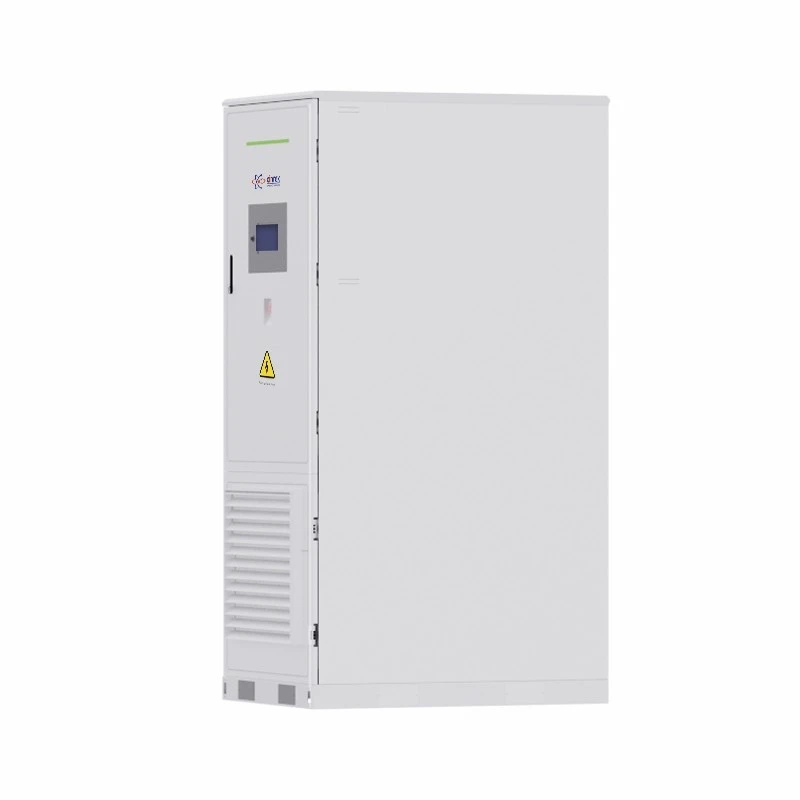
The type of battery used is also important. Different battery chemistries have different self - discharge rates. For example, lithium - ion batteries generally have a lower self - discharge rate compared to lead - acid batteries. So, an indoor energy storage battery cabinet using lithium - ion batteries might have lower standby power consumption.
Another factor is the number of electronic components in the cabinet. If there are a lot of sensors, controllers, and displays, these will all consume a small amount of power even when the cabinet is in standby mode.
Why does standby power consumption matter?
Well, for one thing, high standby power consumption means higher electricity bills. Even though the amount of power used in standby mode might seem small, over time, it can really add up. Imagine having your indoor energy storage battery cabinet plugged in 24/7, and it consuming a little bit of power all day long. That's going to increase your energy costs without you getting any real benefit from it.
From an environmental perspective, it's also not great. The more power we waste, the more energy needs to be generated, which often comes from non - renewable sources. So, reducing standby power consumption is a win - win: it saves you money and helps the environment.
How can we measure standby power consumption?
Measuring the standby power consumption of an indoor energy storage battery cabinet is actually pretty straightforward. You can use a power meter. Just plug the cabinet into the power meter, and then plug the power meter into the wall outlet. Leave the cabinet in standby mode for a while, and the power meter will show you how much power it's consuming.
It's important to note that standby power consumption can vary depending on the state of the cabinet. For example, if it's fully charged, the standby power consumption might be different compared to when it's partially charged. So, it's a good idea to take multiple measurements at different states to get a more accurate picture.
Our Indoor Energy Storage Battery Cabinets and Standby Power Consumption
As a supplier of Indoor Energy Storage Battery Cabinet, we take standby power consumption very seriously. Our cabinets are designed with the latest power management technologies to minimize standby power usage.
We use high - quality lithium - ion batteries that have a low self - discharge rate. This means that even when the cabinet is in standby mode, it's not using a lot of power. Our advanced electronic components are also optimized for low power consumption.
In addition to that, we offer a range of cabinets with different capacities to meet your specific needs. Whether you need a small cabinet for a home or a large one for a commercial building, we've got you covered. And if you're into solar energy, we also have Solar Energy Storage Battery Cabinet that are designed to work seamlessly with solar panels and have low standby power consumption.
If you're looking for an outdoor option, we have the 261KWH Outdoor Cabinet as well. It's built to withstand the elements and still maintain high efficiency with low standby power usage.
Time to make the smart choice
Now that you have a better understanding of standby power consumption of indoor energy storage battery cabinets, you can see why it's so important to choose the right one. Our cabinets are not only energy - efficient but also reliable and backed by excellent customer service.
If you're interested in purchasing an indoor energy storage battery cabinet, or you have any questions about standby power consumption or any other aspect of our products, feel free to reach out. We're always happy to have a chat and help you find the best solution for your energy storage needs. Let's work together to save energy, save money, and make the world a better place.
References
- "Understanding Standby Power Consumption" - Energy Efficiency Handbook
- "Battery Chemistry and Self - Discharge Rates" - Journal of Energy Storage