

What is the recovery time of a wall mounted LFP battery after deep discharge?
Jan 05, 2026
Leave a message
Wall mounted LFP (Lithium Iron Phosphate) batteries have become a popular choice for energy storage due to their high efficiency, long lifespan, and safety features. As a supplier of Wall Mounted LFP Battery, I often get asked about the recovery time of these batteries after a deep discharge. In this blog post, I'll share some insights into this crucial topic.
First off, let's understand what a deep discharge is. A deep discharge occurs when a battery is drained to a significantly low state of charge (SoC). For LFP batteries, a deep discharge could be considered when the SoC drops below 20%. This is different from a shallow discharge, where the battery is only drained to a moderately low SoC, say around 50 - 70%.
The recovery time, or the time it takes for a wall mounted LFP battery to recharge after a deep discharge, depends on several factors. One of the most important ones is the charging current. The charging current is measured in amperes (A) and determines how quickly the battery can take in energy. Generally, a higher charging current means a shorter recovery time. However, there's a limit to how high the charging current can be.
LFP batteries are designed to handle a certain maximum charging rate, often referred to as the C - rate. For example, if a battery has a capacity of 100Ah and it's being charged at a 1C rate, the charging current would be 100A. Most wall mounted LFP batteries we supply, like our 51.2V Wall Mounted LFP Battery, can handle a relatively high C - rate, but pushing it too far can lead to overheating and reduced battery lifespan.
Another factor that affects recovery time is the charger's efficiency. A charger with high efficiency will convert a larger percentage of the input power into stored energy in the battery. For instance, if a charger has an efficiency of 90%, it means that 90% of the power it draws from the source is used to charge the battery, while 10% is lost as heat. Chargers with lower efficiency will take longer to charge the battery and may also cause the battery to heat up more.
The state of the battery itself also plays a role. Over time, LFP batteries lose some of their capacity due to normal wear and tear. A battery that's been in use for several years may take longer to recover from a deep discharge compared to a brand - new one. This is because the internal resistance of the battery increases with age, which makes it more difficult to transfer energy in and out of the battery quickly.
Let's take a look at a practical example. Our 51.2V 280AH Lithium Iron Phosphate Battery has a large capacity. If it's been deeply discharged to 10% SoC and we're using a charger with a 1C charging rate (280A), in theory, it should take around 0.9 hours to reach 100% SoC. But in real - world scenarios, it usually takes a bit longer. This is because as the battery approaches full charge, the charging rate needs to be reduced to prevent overcharging, which can damage the battery.
In addition, environmental conditions can impact the recovery time. LFP batteries perform best within a certain temperature range, typically between 20°C and 40°C. If the temperature is too low, the chemical reactions inside the battery slow down, and it takes longer to charge. On the other hand, if the temperature is too high, the battery may overheat, and the charging process may need to be paused or slowed down to protect the battery.
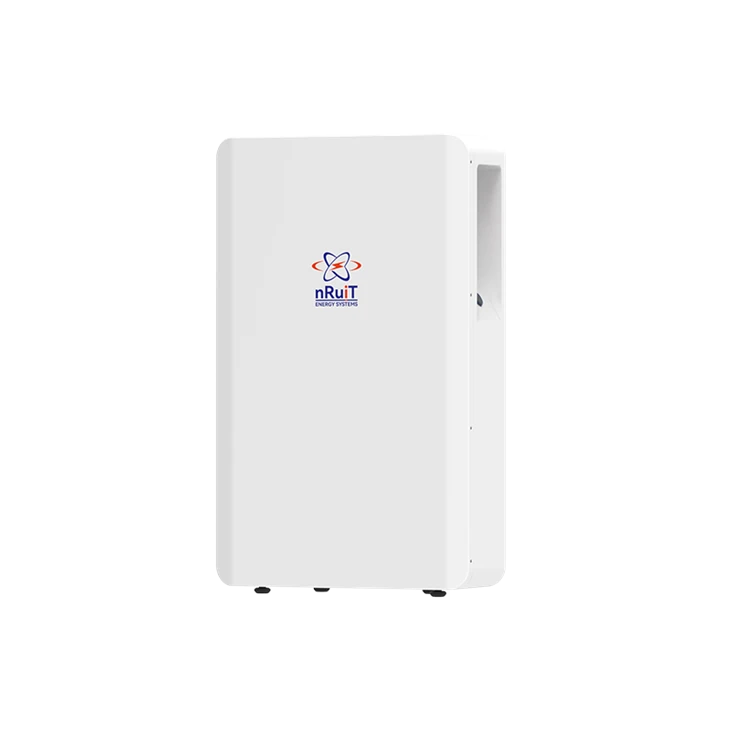
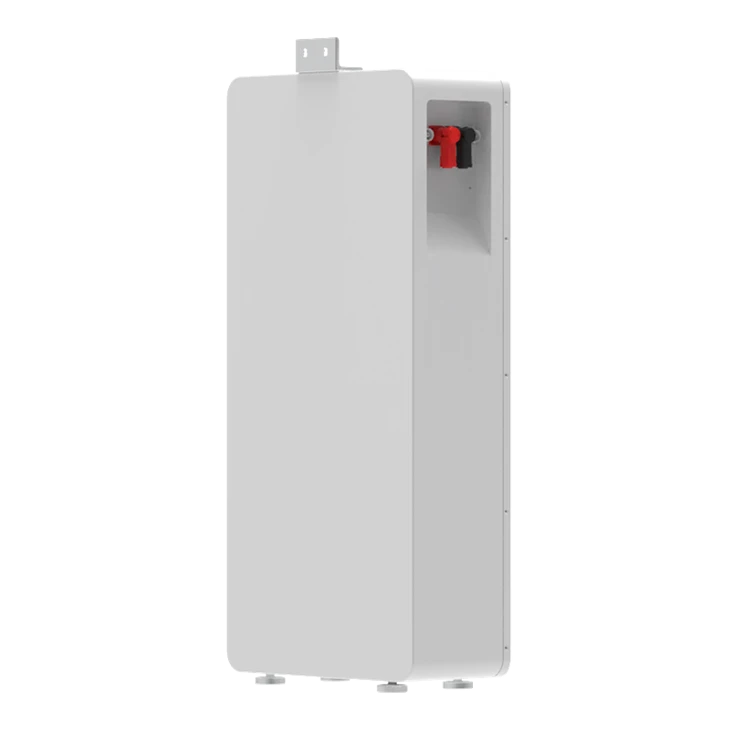
To estimate the recovery time more accurately, you can use the following formula as a starting point:
Recovery time (hours)= (Capacity (Ah)×(1 - Initial SoC))/Charging current (A)
However, keep in mind that this is a simplified formula and doesn't take into account factors like charger efficiency, temperature, and the need to reduce the charging rate near full charge.
As a supplier, we always recommend using a high - quality charger specifically designed for LFP batteries. These chargers are equipped with advanced charging algorithms that can optimize the charging process, taking into account the battery's state, temperature, and other factors. This not only reduces the recovery time but also helps to extend the battery's lifespan.
If you're in the market for a reliable wall mounted LFP battery and want to know more about their performance, including recovery time, feel free to reach out. We're here to provide you with all the information you need and help you make the best choice for your energy storage needs. Contact us for more details and to start a procurement discussion.
References
- Battery University: A comprehensive resource for battery - related knowledge, including LFP battery charging and discharging characteristics.
- Industry reports on lithium - ion battery technology and performance.