

What is the performance of a server rack lithium battery in hot weather?
Dec 05, 2025
Leave a message
In the realm of modern data centers and server infrastructure, the reliability of power backup solutions is of paramount importance. Server rack lithium batteries have emerged as a popular choice due to their high energy density, long lifespan, and relatively low maintenance requirements. However, one critical factor that can significantly impact their performance is hot weather. As a supplier of Server Rack Lithium Batteries, I've witnessed firsthand the challenges and opportunities that hot weather presents for these advanced energy storage systems.
Understanding the Basics of Server Rack Lithium Batteries
Before delving into the effects of hot weather, it's essential to understand the fundamentals of server rack lithium batteries. These batteries, such as the 51.2V Rack Mount LiFePO₄ Battery and Server Rack Lithium Iron Phosphate Battery, are designed to provide reliable power backup for servers and other critical equipment. They typically use lithium iron phosphate (LiFePO₄) chemistry, which offers several advantages over traditional lead-acid batteries, including higher energy density, faster charging, and better thermal stability.
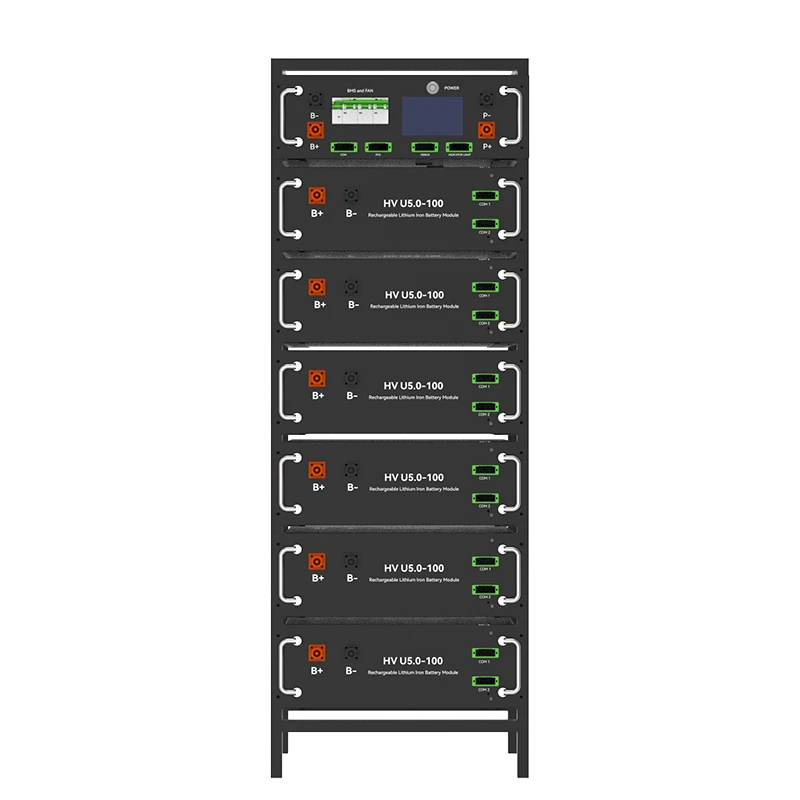

The energy density of lithium batteries allows them to store more energy in a smaller and lighter package, making them ideal for space-constrained server racks. Additionally, their long cycle life means they can withstand more charge and discharge cycles, reducing the need for frequent replacements. These features make server rack lithium batteries a cost-effective and efficient solution for data centers and other applications where reliable power is crucial.
The Impact of Hot Weather on Server Rack Lithium Batteries
Hot weather can have several adverse effects on the performance and lifespan of server rack lithium batteries. One of the primary concerns is increased self-discharge rate. At higher temperatures, the chemical reactions within the battery occur more rapidly, leading to a faster loss of charge even when the battery is not in use. This can result in a reduced available capacity when the battery is needed for backup power.
Another significant issue is thermal runaway. Lithium batteries are sensitive to high temperatures, and if the temperature exceeds a certain threshold, it can trigger a chain reaction that causes the battery to overheat and potentially catch fire or explode. While modern lithium batteries are equipped with safety features to prevent thermal runaway, prolonged exposure to high temperatures can still increase the risk.
In addition to these safety concerns, hot weather can also accelerate the degradation of the battery's electrodes and electrolyte. The high temperatures can cause the electrodes to break down, reducing the battery's capacity and performance over time. The electrolyte, which is responsible for conducting ions between the electrodes, can also be affected by high temperatures, leading to increased internal resistance and reduced efficiency.
Performance Metrics in Hot Weather
To assess the performance of server rack lithium batteries in hot weather, several key metrics need to be considered. These include capacity retention, charge-discharge efficiency, and cycle life.
Capacity retention refers to the ability of the battery to maintain its original capacity over time. In hot weather, the capacity of a lithium battery may decrease more rapidly due to increased self-discharge and electrode degradation. A battery with good capacity retention will be able to provide a consistent amount of backup power even after multiple charge-discharge cycles in high-temperature environments.
Charge-discharge efficiency is another important metric. It measures how effectively the battery can convert electrical energy into chemical energy during charging and vice versa during discharging. High temperatures can reduce the charge-discharge efficiency of a lithium battery, resulting in more energy being lost as heat. This not only reduces the overall efficiency of the battery but also increases the operating costs.
Cycle life is the number of charge-discharge cycles a battery can withstand before its capacity drops below a certain level. Hot weather can significantly reduce the cycle life of a lithium battery, as the high temperatures accelerate the degradation of the battery's components. A battery with a long cycle life will be able to provide reliable backup power for a longer period, reducing the need for frequent replacements.
Strategies to Mitigate the Effects of Hot Weather
As a supplier of Server Rack Lithium Batteries, we understand the importance of ensuring optimal performance in hot weather conditions. To mitigate the effects of high temperatures, several strategies can be employed.
One of the most effective ways is to implement proper thermal management. This can include using cooling systems such as air conditioning or liquid cooling to maintain the temperature of the battery within a safe range. Additionally, the battery racks can be designed with adequate ventilation to allow for proper air circulation and heat dissipation.
Another strategy is to use battery management systems (BMS). A BMS is a sophisticated electronic device that monitors and controls the charging and discharging of the battery. It can detect abnormal temperature conditions and take appropriate measures to prevent thermal runaway, such as reducing the charging current or disconnecting the battery from the circuit.
In addition to these technical solutions, proper installation and maintenance are also crucial. The battery racks should be installed in a well-ventilated area away from direct sunlight and other heat sources. Regular inspections and maintenance should be carried out to ensure that the batteries are functioning properly and that any potential issues are addressed promptly.
Case Studies
To illustrate the performance of our Server Rack Lithium Batteries in hot weather, let's look at a few case studies.
In a data center located in a hot and humid climate, our 51.2V LiFePO₄ Rack Battery was installed to provide backup power for the servers. The data center was equipped with a state-of-the-art cooling system to maintain the temperature of the battery racks at around 25°C. Despite the high ambient temperatures outside, the battery was able to maintain a high level of performance, with a capacity retention of over 90% after several months of operation.
In another case, a telecommunications company in a desert region installed our Server Rack Lithium Iron Phosphate Batteries to provide backup power for their base stations. The batteries were installed in a well-ventilated enclosure with a passive cooling system. Although the ambient temperatures reached up to 45°C during the day, the batteries were able to operate reliably, thanks to their robust design and advanced safety features.
Conclusion
In conclusion, hot weather can have a significant impact on the performance and lifespan of server rack lithium batteries. However, with proper thermal management, advanced safety features, and regular maintenance, these batteries can still provide reliable backup power in high-temperature environments. As a supplier of Server Rack Lithium Batteries, we are committed to providing our customers with high-quality products that are designed to perform optimally in a variety of conditions.
If you are interested in learning more about our Server Rack Lithium Batteries or have any questions about their performance in hot weather, please feel free to contact us for a detailed discussion. We look forward to working with you to find the best power backup solution for your needs.
References
- Battery University. (2023). Lithium-ion Battery Basics.
- IEEE Transactions on Power Electronics. (2022). Thermal Management of Lithium-Ion Batteries for Electric Vehicles.
- Journal of Power Sources. (2021). Degradation Mechanisms and Lifespan Prediction of Lithium-Ion Batteries.