

What is the difference between a Container Energy Storage System and a traditional energy storage system?
Feb 02, 2026
Leave a message
Hey there, energy enthusiasts! As a supplier of Container Energy Storage Systems, I've been getting a ton of questions lately about the difference between our containerized systems and traditional energy storage systems. So, I thought I'd take a few minutes to break it down for you.
Let's start with the basics. What exactly are we talking about when we say "energy storage system"? Well, in simple terms, an energy storage system is a device that stores energy for later use. This can be really useful for a variety of reasons. For example, it can help balance the supply and demand of electricity on the grid, especially when there are fluctuations due to things like renewable energy sources (like solar and wind) that aren't always producing power consistently.
Traditional Energy Storage Systems
Traditional energy storage systems have been around for a long time. They come in different shapes and sizes, and they use various technologies to store energy. One of the most common types is the lead - acid battery. These have been used for decades, mainly because they're relatively cheap and easy to manufacture. They're often found in small - scale applications, like backup power for homes or small businesses.
Another type of traditional energy storage is pumped hydro storage. This is a large - scale solution where water is pumped from a lower reservoir to a higher one when there's excess electricity. Then, when electricity is needed, the water is released back down through turbines to generate power. It's a pretty efficient way to store large amounts of energy, but it requires specific geographical conditions, like mountains and large bodies of water.
There are also flywheel energy storage systems. These work by spinning a heavy wheel at high speeds to store energy. When power is needed, the kinetic energy of the spinning wheel is converted back into electricity. Flywheels are great for providing short - term, high - power bursts of energy, but they're not so good for long - term storage.
However, traditional energy storage systems do have their limitations. For example, lead - acid batteries have a relatively short lifespan, and they can be quite heavy and bulky. Pumped hydro storage is very location - dependent, and building the necessary infrastructure can be expensive and time - consuming. Flywheel systems have high maintenance requirements and can be costly to install.
Container Energy Storage Systems
Now, let's talk about Container Energy Storage Systems (CESS). As the name suggests, these are energy storage systems that are housed in a container. This container is designed to be a self - contained unit that can be easily transported and installed.
One of the biggest advantages of CESS is its portability. You can move these containers around to different locations as needed. This is especially useful for temporary power needs, like at construction sites or outdoor events. You can just load the container onto a truck and take it wherever it's required.
Another great thing about CESS is its modularity. You can combine multiple containers to increase the storage capacity. This makes it very flexible, whether you need a small - scale system for a single building or a large - scale system for a whole industrial complex.
In terms of technology, most CESS use lithium - ion batteries. These batteries have a much longer lifespan compared to lead - acid batteries. They also have a higher energy density, which means they can store more energy in a smaller space. This makes the container more compact and efficient.
The container itself is designed to protect the batteries and other components from the elements. It has built - in climate control systems to keep the temperature and humidity at optimal levels for the batteries. This helps to extend the lifespan of the batteries and ensures reliable performance.
Key Differences
Let's summarize the key differences between Container Energy Storage Systems and traditional energy storage systems:
1. Portability and Installation
Traditional energy storage systems, like pumped hydro or large - scale lead - acid battery banks, are often fixed in one location. They require a lot of infrastructure and time to install. In contrast, CESS can be easily transported and installed in a matter of days. You can even rent a container if you only need it for a short period.
2. Scalability
It can be difficult to scale up traditional energy storage systems. For example, adding more capacity to a pumped hydro system would require building additional reservoirs and turbines, which is a huge investment. With CESS, you can simply add more containers to increase the storage capacity.
3. Technology
As mentioned earlier, traditional systems often use older technologies like lead - acid batteries, while CESS typically use lithium - ion batteries. Lithium - ion batteries offer better performance, longer lifespan, and higher energy density.
4. Maintenance
Traditional energy storage systems can have high maintenance requirements. For example, lead - acid batteries need regular watering and monitoring. CESS, on the other hand, are designed to be low - maintenance. The container's climate control system helps to reduce the wear and tear on the batteries, and many components are self - diagnostic.
5. Cost
In some cases, the initial cost of a CESS might be higher than a traditional system. However, when you consider the long - term costs, including maintenance, replacement, and scalability, CESS can be more cost - effective.
Our Product Range
We offer a wide range of Container Energy Storage Systems to meet different needs. If you're looking for an outdoor solution, check out our Outdoor Energy Storage Battery Cabinet. It's designed to withstand harsh weather conditions and provide reliable energy storage.

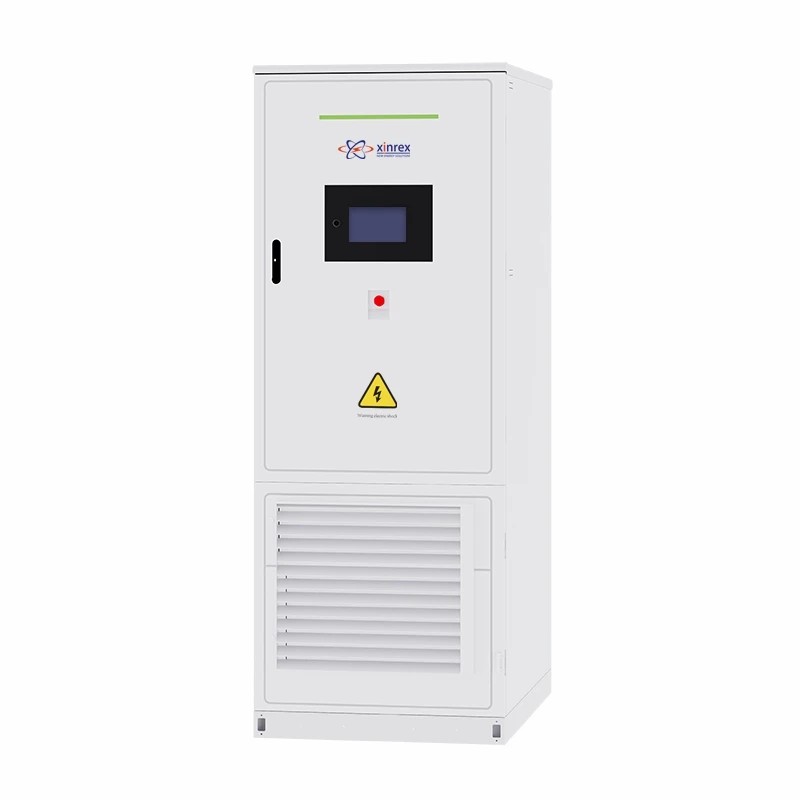
For indoor use, we have the Indoor Energy Storage Battery Cabinet. It's compact and can be easily integrated into existing electrical systems.
And if you need a high - capacity outdoor system, our 261KWH Outdoor Cabinet might be just what you're looking for. It offers a large amount of energy storage in a single container.
Contact Us for Purchase and Negotiation
We understand that every customer has unique energy storage needs. That's why we're here to work with you to find the best solution for your situation. Whether you're a small business owner looking for backup power or a large utility company in need of a large - scale energy storage system, we can help.
If you're interested in learning more about our Container Energy Storage Systems or want to discuss a potential purchase, don't hesitate to reach out. We'll be more than happy to provide you with detailed information, answer your questions, and start a negotiation process to get you the best deal possible.
References
- "Energy Storage Systems: A Comprehensive Guide" by Energy Research Institute
- "Comparative Analysis of Traditional and Modern Energy Storage Technologies" in Journal of Energy Management