

What is the definition of an energy storage container?
Mar 25, 2026
Leave a message
Hey there, energy enthusiasts and industry peeps! As a supplier in the energy storage container game, I've been getting tons of questions about what exactly an energy storage container is. So, I thought I'd break it down in a way that's easy to understand, without all the technical jargon.
Let's start with the basics. An energy storage container is, well, a container that stores energy. But it's not your average storage unit. It's a high - tech solution designed to hold and manage electrical energy efficiently. These containers are like power banks on a much larger scale, capable of storing vast amounts of energy for later use.
What's Inside an Energy Storage Container?
The heart of an energy storage container is the battery system. Most modern energy storage containers use lithium - ion batteries because they offer high energy density, long cycle life, and relatively low maintenance. These batteries are arranged in modules and racks inside the container, creating a large - scale energy storage system.
But it's not just about the batteries. There are also a bunch of other important components. For example, there's a battery management system (BMS). This is like the brain of the battery system. It monitors the state of each battery cell, ensuring that they're all charging and discharging properly. It also helps to prevent overcharging, over - discharging, and short - circuiting, which can be dangerous and reduce the lifespan of the batteries.
Another crucial component is the power conversion system (PCS). The PCS is responsible for converting the direct current (DC) electricity stored in the batteries into alternating current (AC) electricity, which is what most of our electrical devices and the power grid use. It also controls the flow of electricity in and out of the container, making sure that the energy is used effectively.
Why Do We Need Energy Storage Containers?
There are several reasons why energy storage containers are becoming increasingly important. First of all, they play a key role in integrating renewable energy sources, like solar and wind, into the power grid. Renewable energy is great, but it's also intermittent. The sun doesn't always shine, and the wind doesn't always blow. Energy storage containers can store the excess energy generated during peak production times, like sunny afternoons or windy nights, and then release it when the renewable energy sources aren't producing enough, such as at night or on calm days.
Secondly, energy storage containers can help to improve the stability and reliability of the power grid. They can provide backup power during power outages, ensuring that critical facilities, like hospitals and data centers, can keep running. They can also help to balance the supply and demand of electricity on the grid, reducing the risk of blackouts and brownouts.
Types of Energy Storage Containers
There are different types of energy storage containers to meet various needs. For instance, we have the 200kWH Battery Energy Storage. This type is great for small - to - medium - sized applications, like small businesses or residential complexes. It offers a decent amount of energy storage capacity without taking up too much space.
Then there's the Solar Energy Storage Battery Cabinet. As the name suggests, this container is specifically designed to work with solar energy systems. It can store the energy generated by solar panels during the day and make it available for use at night or during cloudy days.
And if you need an energy storage solution for outdoor use, there's the Outdoor Energy Storage Battery Cabinet. These containers are built to withstand harsh weather conditions, such as extreme temperatures, rain, and snow. They're perfect for remote locations or areas where space is limited.
Advantages of Our Energy Storage Containers
As a supplier of energy storage containers, I'm really proud of the products we offer. One of the biggest advantages of our containers is their high energy density. This means that they can store a large amount of energy in a relatively small space. So, whether you're working in a cramped urban area or a large industrial complex, our containers can fit in easily.
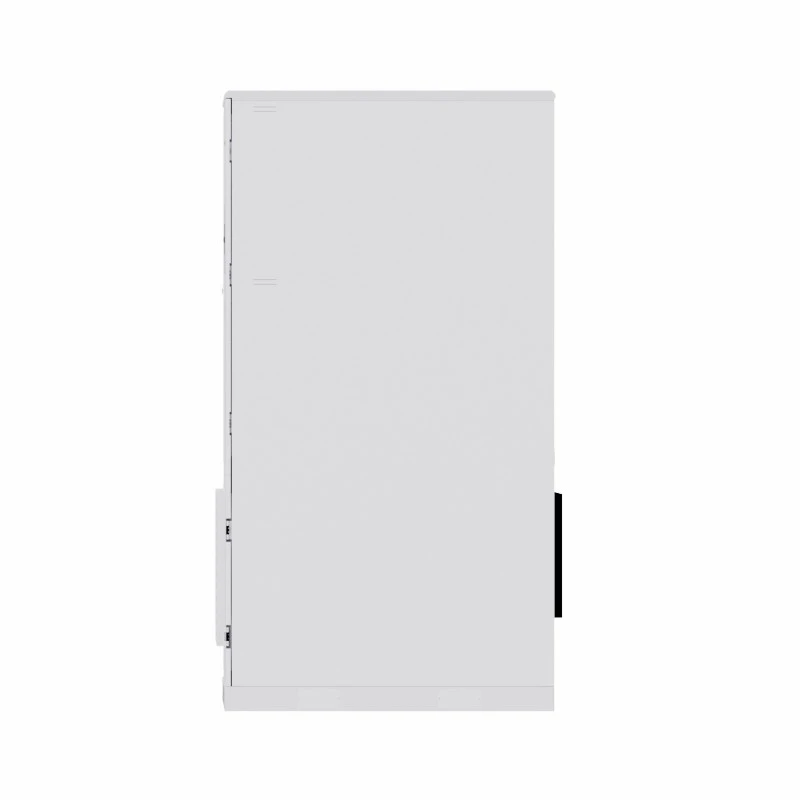

Another advantage is their modular design. Our containers are made up of individual modules that can be easily added or removed. This makes it easy to scale up or down your energy storage capacity according to your changing needs. You can start with a small system and gradually expand it as your energy requirements grow.
We also focus on safety. Our containers are equipped with advanced safety features, such as fire suppression systems and temperature control. These features help to prevent accidents and ensure the long - term reliability of the energy storage system.
How to Choose the Right Energy Storage Container
When it comes to choosing the right energy storage container, there are a few things you need to consider. First, think about your energy storage needs. How much energy do you need to store? What's your peak energy demand? These questions will help you determine the right capacity for your container.
Next, consider the location where the container will be installed. If it's going to be outdoors, you'll need a container that can withstand the elements. If it's indoors, you might be more concerned about noise levels and the container's footprint.
You should also look at the cost. While it's important to get a good deal, don't just go for the cheapest option. Consider the long - term costs, including maintenance, replacement parts, and energy efficiency. A high - quality container might cost more upfront, but it could save you money in the long run.
Let's Talk Business
If you're in the market for an energy storage container, I'd love to have a chat with you. Whether you're a business owner looking to reduce your energy costs, a renewable energy developer in need of a reliable storage solution, or just someone interested in learning more about energy storage, I'm here to help. We can discuss your specific needs, and I can provide you with a customized solution that fits your budget and requirements. So, don't hesitate to reach out for a procurement discussion.
References
- "Energy Storage Basics" - U.S. Department of Energy
- "Lithium - Ion Batteries for Energy Storage" - Journal of Power Sources
- "Grid - Scale Energy Storage Technologies" - IEEE Transactions on Smart Grid