

What is the carbon footprint of a power wall battery?
Dec 11, 2025
Leave a message
Hey there! If you're into energy storage and interested in power wall batteries, you've landed in the right place. I'm a supplier of power wall batteries, and I've seen a growing number of folks curious about the carbon footprint of these nifty gadgets. Today, I'm gonna break it down for you.
What the Heck is a Carbon Footprint?
Let's start with the basics. A carbon footprint is like a measure of how much carbon dioxide and other greenhouse gases are released into the atmosphere because of a particular activity, product, or service. It includes everything from the raw materials extraction to the production, use, and disposal of a product. For power wall batteries, we need to consider all these stages to get a clear picture of their carbon impact.
Raw Materials Extraction
The first step in making a power wall battery is getting the raw materials. Most modern power wall batteries, like the ones I offer, are made with lithium iron phosphate (LFP). Mining lithium, iron, and phosphate can have a significant carbon footprint. Lithium mining, in particular, requires a lot of energy. Drilling, pumping, and processing the lithium ore take up a bunch of electricity, much of which may come from fossil - fuel sources.
Transporting these raw materials also adds to the carbon count. The longer the distance they have to travel from the mine to the battery factory, the more fuel is burned in trucks, trains, or ships. And all that fuel burning means more carbon dioxide emissions.
Manufacturing Process
Once the raw materials arrive at the factory, the manufacturing process begins. Making a power wall battery is a complex operation. There are multiple steps like mixing the materials, coating electrodes, assembling cells, and finally putting together the whole battery pack.
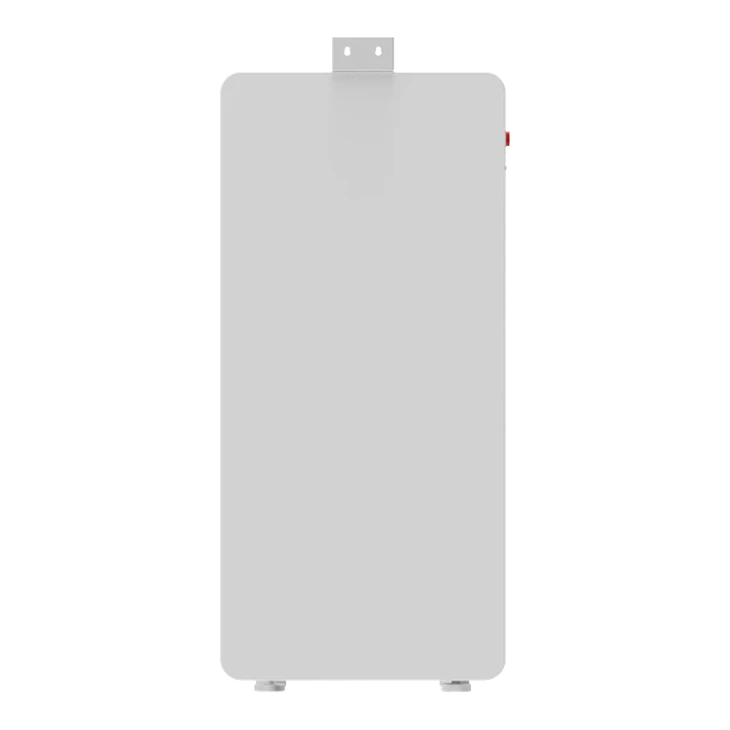

Each step consumes a fair amount of energy. Factories need to keep the production lines running, and this energy often comes from the local power grid. If the grid relies heavily on coal - fired power plants, the carbon footprint of manufacturing the battery goes up. For example, my 51.2V 100AH Wall Mounted Energy Storage Battery goes through a series of high - tech manufacturing processes that require energy - intensive equipment.
Use Phase
During the use phase, the carbon footprint of a power wall battery can vary a lot. If the battery is charged using renewable energy sources like solar or wind, its carbon footprint in this phase can be close to zero. But if it's charged from the grid, and the grid has a high carbon intensity due to fossil - fuel power generation, then the battery's carbon impact during use will be higher.
A well - designed power wall battery can help reduce overall carbon emissions. For instance, it can store excess solar energy during the day and then supply it to your home at night. This way, you rely less on the grid, which might be powered by fossil fuels. My 51.2V 280AH Lithium Iron Phosphate Battery is built to be very efficient in storing and releasing energy, which can lead to greater savings in terms of carbon emissions if used with renewable energy sources.
Disposal and Recycling
When a power wall battery reaches the end of its life, how it's disposed of or recycled matters for its carbon footprint. If batteries are sent to landfills, there's a risk of toxic materials leaking into the environment. Plus, the energy used to transport them to the landfill adds to the carbon emissions.
On the other hand, recycling can help reduce the carbon footprint. Recycling batteries allows us to recover valuable materials like lithium, cobalt, and nickel. Reusing these materials in new batteries means less need for raw material extraction and mining, which has a high carbon cost. However, the recycling process itself also consumes energy. So, improving the efficiency of battery recycling is crucial in minimizing the overall carbon footprint.
Measuring the Carbon Footprint
Calculating the exact carbon footprint of a power wall battery isn't a walk in the park. There are so many variables involved. Scientists and researchers often use life - cycle assessment (LCA) methods. LCA takes into account all the stages from raw material extraction to disposal.
Some companies are starting to provide carbon footprint data for their products. As a power wall battery supplier, I understand the importance of transparency. I'm committed to working on getting accurate carbon footprint data for my products so that my customers can make informed decisions.
Reducing the Carbon Footprint
There are several ways to reduce the carbon footprint of power wall batteries. For the manufacturing side, factories can switch to renewable energy sources. Using solar panels on the factory roof to power the production lines can significantly cut down on carbon emissions.
On the consumer side, choosing to charge the battery with renewable energy is key. Installing solar panels at your home and using them to charge the power wall battery can make a big difference. Also, proper battery maintenance can extend its lifespan, which means fewer batteries need to be produced and disposed of over time.
Why It Matters
Understanding the carbon footprint of power wall batteries is important for the environment and our future. As the demand for energy storage grows, so does the potential impact on the climate. By knowing the carbon footprint of these batteries, we can make better choices.
For consumers, it helps in deciding which battery to buy. If you're environmentally conscious, you'd want a battery with a lower carbon footprint. For businesses like mine, it allows us to improve our products and manufacturing processes to be more sustainable.
Connect and Buy
If you're interested in learning more about power wall batteries, their carbon footprints, or if you're thinking of making a purchase, I'd love to chat with you. Whether you're looking for a Wall Mounted LFP Battery, a 51.2V 100AH Wall Mounted Energy Storage Battery, or a 51.2V 280AH Lithium Iron Phosphate Battery, I've got you covered. Let's work together to make a more sustainable energy future.
References
- Dufo-López, R., & Bernal-Agustín, J. L. (2009). Energy storage systems and applications in renewable energy power generation. Renewable and Sustainable Energy Reviews, 13(2), 315 - 325.
- Tromans, D. (2000). Recycling of spent lithium - ion batteries. Journal of Power Sources, 89(1), 1 - 9.
- He, G., Liu, X., & Tan, Z. (2020). Life cycle assessment of lithium - ion batteries for electric vehicles: A review and meta - analysis. Journal of Cleaner Production, 254, 120057.