

What are the grounding requirements for an outdoor energy storage battery cabinet?
Apr 30, 2026
Leave a message
Hey there! As a supplier of Outdoor Energy Storage Battery Cabinets, I often get asked about the grounding requirements for these cabinets. It's a crucial topic because proper grounding is essential for the safety and efficient operation of the battery system. So, let's dive right in and explore what these requirements are.
Why Grounding is Important
First off, let's understand why grounding is so important for outdoor energy storage battery cabinets. Grounding serves several key purposes. It helps protect against electrical shock by providing a safe path for electrical current to flow into the ground in case of a fault. This is especially important in outdoor settings where the cabinet may be exposed to harsh weather conditions, which can increase the risk of electrical faults.
Secondly, grounding helps to reduce the risk of electrical fires. By providing a low - resistance path for fault currents, it can prevent excessive heat buildup that could potentially ignite a fire. Additionally, proper grounding can help to stabilize the electrical system, reducing electrical noise and interference, which can improve the overall performance of the battery cabinet.
Grounding System Components
A typical grounding system for an outdoor energy storage battery cabinet consists of several components. The first is the grounding electrode, which is usually a metal rod or plate that is buried in the ground. This electrode provides the connection between the electrical system and the earth.
The grounding conductor is another important component. This is a wire that connects the battery cabinet to the grounding electrode. It needs to be of an appropriate size to handle the potential fault currents. The size of the grounding conductor depends on factors such as the maximum fault current that the system could experience and the length of the conductor.
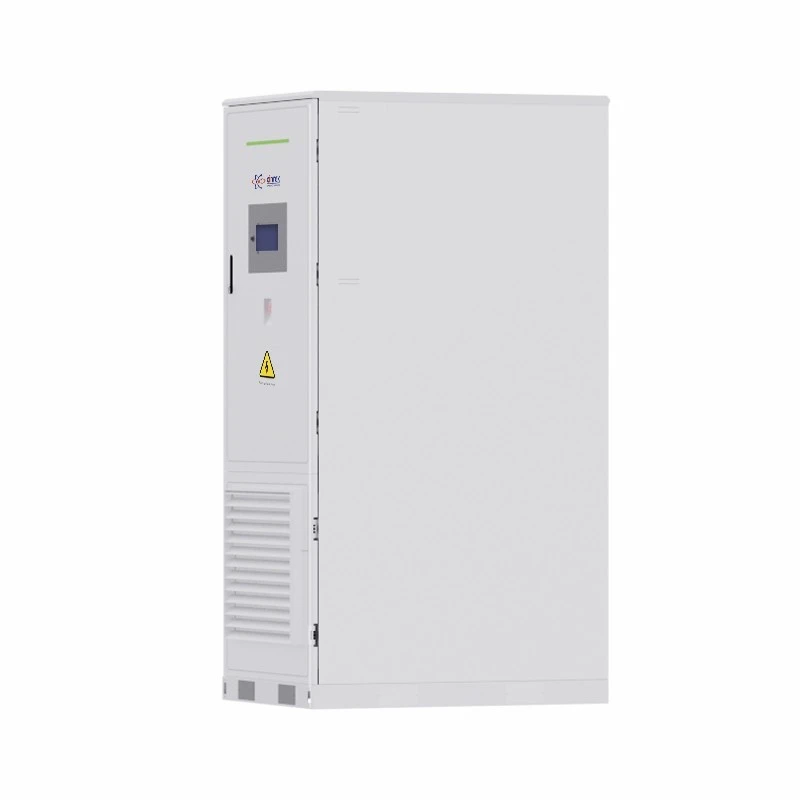
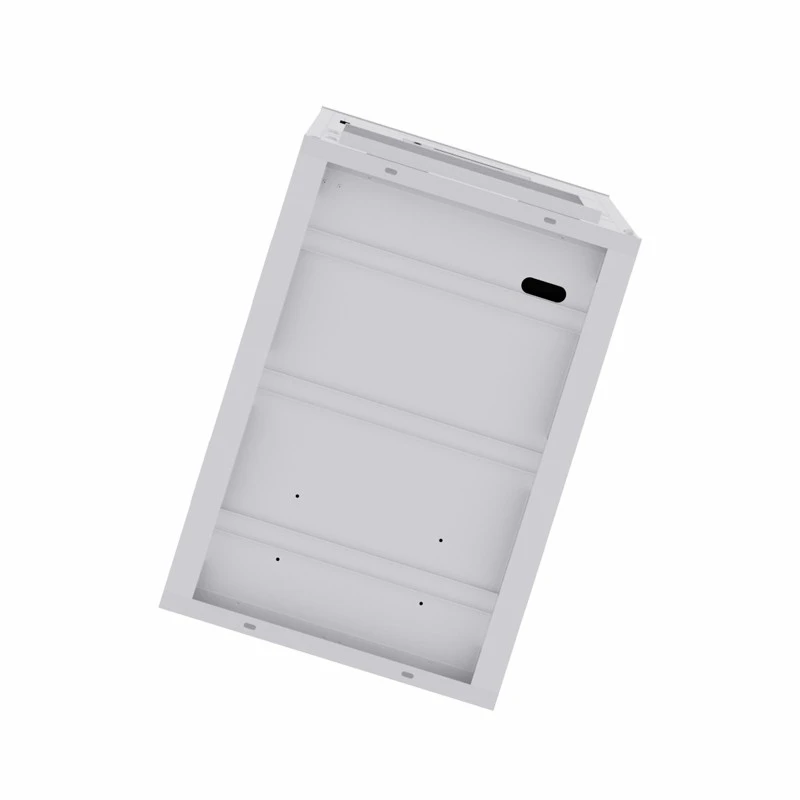
There's also the grounding busbar, which is a metal bar within the battery cabinet that serves as a central point for all grounding connections. All electrical equipment within the cabinet, such as battery modules, inverters, and controllers, are connected to the grounding busbar.
Grounding Requirements
Resistance
One of the most important grounding requirements is the grounding resistance. The grounding resistance should be as low as possible. In general, a grounding resistance of less than 5 ohms is considered good for an outdoor energy storage battery cabinet. However, in some cases, a lower resistance may be required, depending on the specific application and local electrical codes.
To measure the grounding resistance, a grounding resistance tester can be used. This device sends a test current through the grounding system and measures the voltage drop to calculate the resistance. If the measured resistance is too high, additional grounding electrodes may need to be installed to lower the resistance.
Material and Installation
The materials used for the grounding system are also crucial. The grounding electrode is typically made of copper or galvanized steel. Copper is a good choice because it has low resistance and is resistant to corrosion. Galvanized steel is also commonly used as it is more affordable and still provides good conductivity.
When it comes to installation, the grounding electrode should be buried deep enough in the ground. In most cases, it should be buried at least 2.5 meters (8 feet) deep. This ensures good contact with the earth and helps to maintain a low grounding resistance. The grounding conductor should be installed in a way that it is protected from physical damage, such as being run through conduits or buried underground.
Bonding
Bonding is another important aspect of grounding. All metal parts of the battery cabinet, including the enclosure, racks, and any other conductive components, should be bonded together. This ensures that there is a continuous electrical path between all metal parts, which helps to prevent the buildup of static electricity and reduces the risk of electrical shock.
Comparison with Other Types of Battery Cabinets
It's interesting to compare the grounding requirements of outdoor energy storage battery cabinets with Solar Energy Storage Battery Cabinet and Indoor Energy Storage Battery Cabinet.
Indoor energy storage battery cabinets generally have less strict grounding requirements compared to outdoor ones. This is because indoor environments are more protected from the elements, reducing the risk of electrical faults. However, they still need to be properly grounded to ensure safety.
Solar energy storage battery cabinets, on the other hand, often have additional grounding requirements due to the connection with solar panels. The solar panels are usually installed outdoors, and the grounding system needs to be designed to handle the electrical currents from both the battery and the solar panels.
Meeting Local Codes and Standards
It's important to note that grounding requirements can vary depending on local electrical codes and standards. Different regions may have different rules regarding grounding resistance, materials, and installation methods. As a supplier, we always make sure that our Outdoor Energy Storage Battery Cabinet meet all the relevant local codes and standards.
We work closely with electrical engineers and contractors to ensure that the grounding systems are designed and installed correctly. This not only ensures the safety and performance of the battery cabinet but also helps our customers avoid any potential legal issues.
Conclusion
In conclusion, proper grounding is essential for the safe and efficient operation of outdoor energy storage battery cabinets. It helps protect against electrical shock, reduces the risk of fires, and improves the overall performance of the system. By understanding the grounding requirements, including resistance, materials, installation, and bonding, you can ensure that your battery cabinet is properly grounded.
If you're in the market for an outdoor energy storage battery cabinet, we're here to help. Our team of experts can provide you with all the information you need about grounding requirements and ensure that you get a high - quality product that meets your needs. Don't hesitate to reach out to us for more information or to discuss your specific requirements. We'd love to start a conversation about how we can help you with your energy storage needs.
References
- National Electrical Code (NEC)
- International Electrotechnical Commission (IEC) standards
- Local electrical codes and regulations