

What are the environmental impacts of a home energy storage solar stacked battery?
Nov 27, 2025
Leave a message
Hey there! As a supplier of Home Energy Storage Solar Stacked Batteries, I've been getting a lot of questions lately about the environmental impacts of these nifty devices. So, I thought I'd take a deep dive into this topic and share what I've learned.
Reducing Reliance on Fossil Fuels
One of the most significant environmental benefits of a Home Energy Storage Solar Stacked Battery is its ability to reduce our reliance on fossil fuels. You see, traditional energy sources like coal, oil, and natural gas are major contributors to greenhouse gas emissions. When we burn these fuels to generate electricity, we release large amounts of carbon dioxide and other pollutants into the atmosphere, which can lead to climate change, air pollution, and other environmental problems.
But with a solar stacked battery, you can store the energy generated by your solar panels during the day and use it later when the sun isn't shining. This means you can rely less on the grid, which is often powered by fossil fuels, and more on clean, renewable energy. For example, if you have a Home Energy Storage Solar Stacked Battery installed in your home, you can use the stored energy to power your lights, appliances, and electronics at night or during cloudy days, without having to draw electricity from the grid.
Lowering Carbon Footprint
Another way that a Home Energy Storage Solar Stacked Battery can have a positive environmental impact is by lowering your carbon footprint. Your carbon footprint is the total amount of greenhouse gases that you emit as a result of your daily activities, such as driving, using electricity, and eating meat. By using a solar stacked battery to store and use renewable energy, you can significantly reduce the amount of carbon dioxide and other greenhouse gases that you emit into the atmosphere.
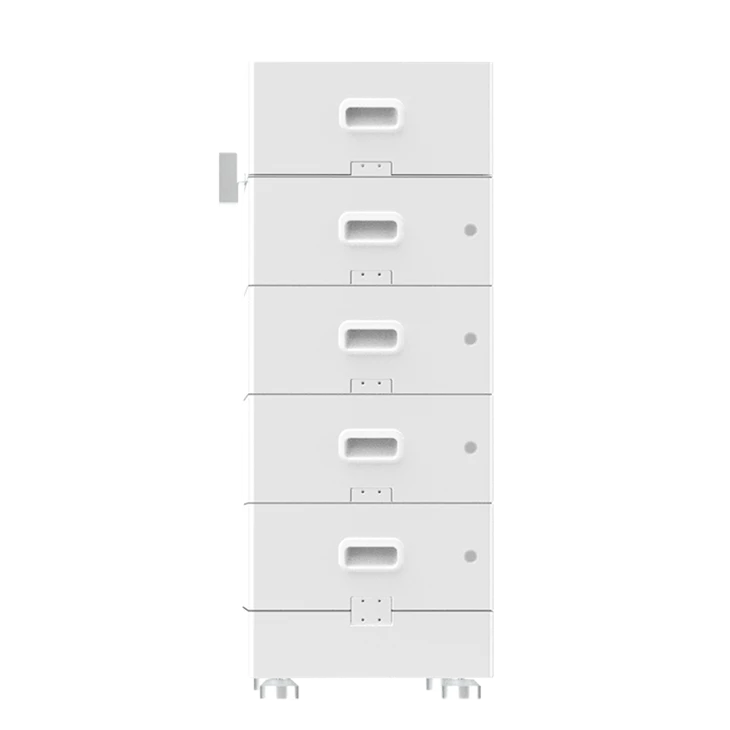
Let's say you have a 51.2V 100AH Stacked Lithium Battery installed in your home. This battery can store a significant amount of energy generated by your solar panels, which means you can use less electricity from the grid. According to some estimates, using a solar stacked battery can reduce your carbon footprint by up to 50% or more, depending on your energy usage and the size of your battery.

Improving Energy Efficiency
In addition to reducing your reliance on fossil fuels and lowering your carbon footprint, a Home Energy Storage Solar Stacked Battery can also improve your home's energy efficiency. When you use a solar stacked battery to store and use renewable energy, you can avoid wasting energy that would otherwise be lost during the transmission and distribution process.
You know, the electricity that is generated by power plants has to travel long distances through power lines to reach your home. During this process, some of the energy is lost as heat, which means that you end up paying for more electricity than you actually use. But with a solar stacked battery, you can store the energy generated by your solar panels right at your home and use it when you need it, without having to worry about energy losses during transmission and distribution.
Reducing Peak Demand
Another environmental benefit of a Home Energy Storage Solar Stacked Battery is its ability to reduce peak demand on the grid. Peak demand refers to the times of day when the demand for electricity is highest, such as during hot summer afternoons or cold winter evenings. During these times, power plants have to work harder to meet the increased demand for electricity, which can lead to higher energy costs and increased emissions.
But with a solar stacked battery, you can store the energy generated by your solar panels during off-peak hours and use it during peak hours. This means you can reduce your electricity usage during peak hours and help to ease the strain on the grid. For example, if you have a 30KWH Stacked Lithium Battery installed in your home, you can use the stored energy to power your air conditioner or heater during peak hours, without having to draw electricity from the grid.
Potential Environmental Concerns
While Home Energy Storage Solar Stacked Batteries have many environmental benefits, there are also some potential concerns that we need to be aware of. One of the main concerns is the environmental impact of battery production and disposal. The production of lithium-ion batteries, which are commonly used in solar stacked batteries, requires the extraction of raw materials such as lithium, cobalt, and nickel. These materials are often mined in developing countries, where environmental and labor standards may be lower.
In addition, the disposal of lithium-ion batteries can also be a challenge. These batteries contain toxic chemicals and heavy metals, which can be harmful to the environment if they are not disposed of properly. However, many battery manufacturers are now taking steps to reduce the environmental impact of battery production and disposal. For example, some manufacturers are using recycled materials in their batteries, and others are developing more sustainable battery technologies.
Conclusion
Overall, the environmental impacts of a Home Energy Storage Solar Stacked Battery are mostly positive. These batteries can help to reduce our reliance on fossil fuels, lower our carbon footprint, improve energy efficiency, and reduce peak demand on the grid. However, we also need to be aware of the potential environmental concerns associated with battery production and disposal and take steps to minimize these impacts.
If you're interested in learning more about Home Energy Storage Solar Stacked Batteries and how they can benefit your home and the environment, please don't hesitate to get in touch. We're here to answer your questions and help you find the right battery solution for your needs. Whether you're looking for a 51.2V 100AH Stacked Lithium Battery, a Home Energy Storage Solar Stacked Battery, or a 30KWH Stacked Lithium Battery, we've got you covered.
Let's work together to make a positive impact on the environment and create a more sustainable future.
References
- "Benefits of Home Energy Storage." EnergySage.
- "The Environmental Impact of Lithium-Ion Batteries." Green Matters.
- "Reducing Peak Demand with Energy Storage." U.S. Department of Energy.