

What are the environmental benefits of a Container Energy Storage System?
Dec 09, 2025
Leave a message
As a supplier of Container Energy Storage Systems, I've witnessed firsthand the transformative impact these systems can have on the environment. In this blog, we'll explore the numerous environmental benefits of Container Energy Storage Systems and why they are becoming an increasingly vital component of our sustainable future.
1. Integration of Renewable Energy Sources
Renewable energy sources such as solar and wind are intermittent by nature. Solar panels generate electricity only during daylight hours, and wind turbines produce power when the wind blows. This intermittency poses a significant challenge to the widespread adoption of renewable energy. Container Energy Storage Systems can store excess energy generated during peak production times and release it when production is low or demand is high.
For example, on a sunny day, a solar farm may produce more electricity than is immediately needed. Instead of letting this excess energy go to waste, it can be stored in a Container Energy Storage System. When the sun sets or on cloudy days, the stored energy can be discharged to the grid, ensuring a continuous and reliable supply of renewable energy. This integration of renewable energy sources reduces our reliance on fossil fuels, which are major contributors to greenhouse gas emissions and air pollution.
2. Peak Shaving and Load Balancing
Peak shaving is a strategy used to reduce the demand for electricity during peak hours. During periods of high electricity demand, such as hot summer afternoons when air conditioners are running at full blast, the grid can become strained. This can lead to power outages and the need to rely on additional power generation from fossil fuel-based power plants.
Container Energy Storage Systems can be used to store energy during off-peak hours when electricity demand is low and prices are typically cheaper. Then, during peak hours, the stored energy can be discharged to meet the increased demand, reducing the strain on the grid and the need for additional fossil fuel-based power generation. This not only helps to prevent power outages but also reduces greenhouse gas emissions and air pollution associated with fossil fuel combustion.
Load balancing is another important function of Container Energy Storage Systems. By storing and releasing energy as needed, these systems can help to balance the supply and demand of electricity on the grid. This ensures a more stable and efficient operation of the grid, reducing the need for frequent adjustments in power generation and transmission, which can also lead to energy losses and increased emissions.
3. Reduced Transmission and Distribution Losses
Transmission and distribution losses occur when electricity is transported from power plants to consumers. These losses can be significant, especially over long distances. Container Energy Storage Systems can be located closer to the point of consumption, reducing the need for long-distance transmission of electricity.
By storing energy locally and releasing it when needed, these systems can help to reduce the amount of electricity that needs to be transmitted over the grid. This not only reduces transmission and distribution losses but also improves the overall efficiency of the electricity system. In addition, by reducing the need for new transmission and distribution infrastructure, Container Energy Storage Systems can also help to minimize the environmental impact associated with the construction and operation of these facilities.
4. Support for Electric Vehicle Charging
The increasing adoption of electric vehicles (EVs) is another important trend in the transportation sector. However, the widespread adoption of EVs also poses a challenge to the electricity grid, as the charging of EVs can place a significant demand on the grid, especially during peak hours.
Container Energy Storage Systems can be used to support EV charging stations by storing energy during off-peak hours and releasing it during peak charging times. This helps to reduce the strain on the grid and ensures a reliable supply of electricity for EV charging. In addition, by using renewable energy sources to charge the energy storage system, the charging of EVs can be made even more sustainable, further reducing greenhouse gas emissions and air pollution associated with transportation.
5. Improved Air Quality
As mentioned earlier, Container Energy Storage Systems help to reduce our reliance on fossil fuels by enabling the integration of renewable energy sources and peak shaving. Fossil fuel combustion is a major source of air pollution, releasing harmful pollutants such as particulate matter, sulfur dioxide, nitrogen oxides, and carbon monoxide into the atmosphere. These pollutants can have serious health effects, including respiratory problems, heart disease, and cancer.
By reducing the use of fossil fuels, Container Energy Storage Systems help to improve air quality, especially in urban areas where air pollution is a major concern. This not only benefits human health but also has a positive impact on the environment, including reducing the formation of smog and acid rain.
6. Disaster Resilience
Container Energy Storage Systems can also play an important role in disaster resilience. During natural disasters such as hurricanes, earthquakes, and wildfires, power outages are common. These outages can disrupt essential services such as hospitals, emergency response centers, and water treatment plants, putting lives at risk.
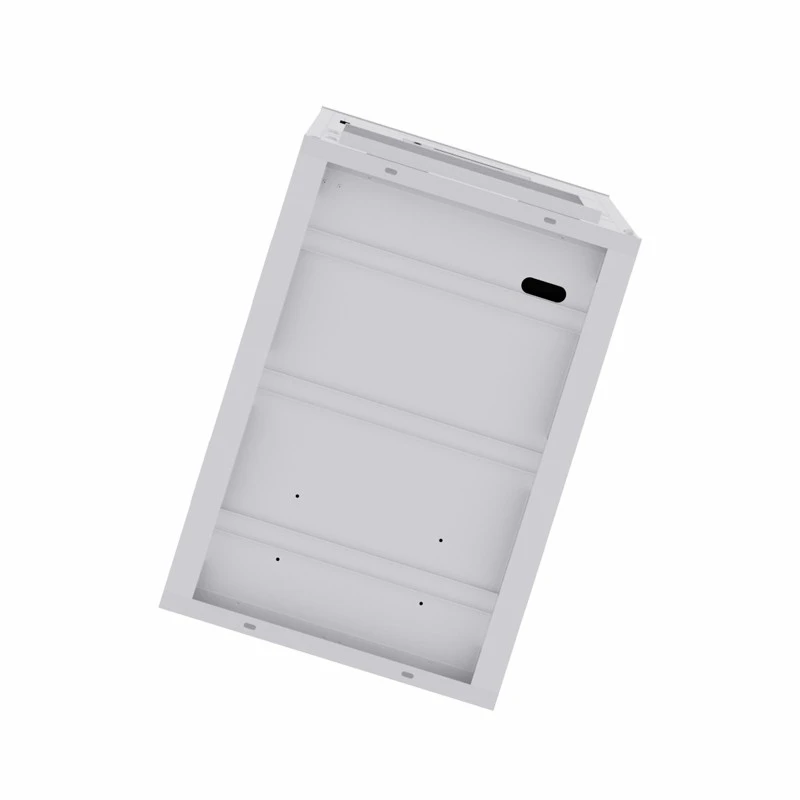
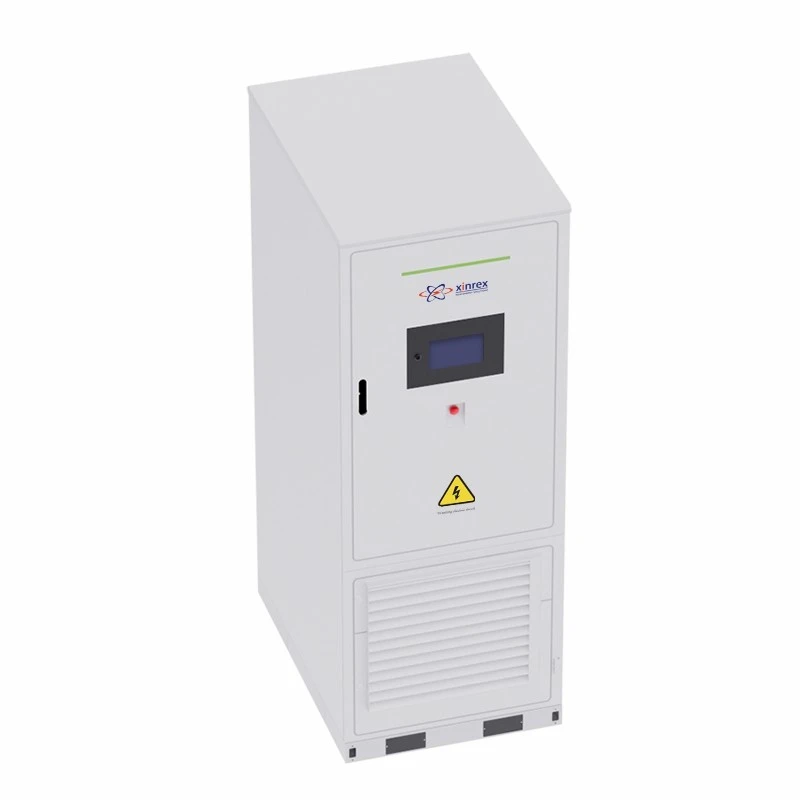
Container Energy Storage Systems can provide backup power during these emergencies, ensuring the continuous operation of critical infrastructure. By storing energy in advance and releasing it when needed, these systems can help to minimize the impact of power outages and support the recovery efforts after a disaster. In addition, by using renewable energy sources to charge the energy storage system, the backup power can be provided in a more sustainable and environmentally friendly manner.
7. End-of-Life Recycling and Sustainability
At the end of their useful life, Container Energy Storage Systems can be recycled. The batteries used in these systems, such as lithium-ion batteries, contain valuable materials such as lithium, cobalt, and nickel. These materials can be recovered and reused in the production of new batteries or other products, reducing the need for mining and the associated environmental impact.
In addition, many Container Energy Storage System manufacturers are committed to sustainable manufacturing practices, using recycled materials and minimizing waste generation during the production process. This helps to reduce the environmental footprint of these systems throughout their entire lifecycle.
Conclusion
In conclusion, Container Energy Storage Systems offer a wide range of environmental benefits, from enabling the integration of renewable energy sources and reducing greenhouse gas emissions to improving air quality and supporting disaster resilience. As a supplier of Container Energy Storage Systems, I am proud to be part of the solution to the environmental challenges we face today.
If you are interested in learning more about our Container Energy Storage Systems or would like to discuss a potential procurement, please feel free to reach out to us. We are committed to providing high-quality, reliable, and sustainable energy storage solutions that meet your specific needs. Let's work together to create a cleaner, greener, and more sustainable future.
References
- International Renewable Energy Agency (IRENA). (2021). Energy Storage and Renewables: Powering the Transition to a Cleaner Future.
- U.S. Department of Energy. (2020). Grid Energy Storage.
- European Association for Storage of Energy (EASE). (2022). The Role of Energy Storage in the Energy Transition.