

What are the different types of lithium batteries?
Mar 30, 2026
Leave a message
Lithium batteries have become an integral part of modern energy storage solutions due to their high energy density, long lifespan, and low self - discharge rate. As a leading lithium battery supplier, I am excited to delve into the different types of lithium batteries available in the market today.
Lithium - Cobalt Oxide (LiCoO₂) Batteries
Lithium - cobalt oxide batteries are one of the earliest and most widely used types of lithium batteries. They are known for their high energy density, which makes them ideal for portable electronic devices such as smartphones, laptops, and tablets. The chemical reaction in these batteries involves the movement of lithium ions between the cathode (made of lithium cobalt oxide) and the anode (usually graphite).
One of the main advantages of LiCoO₂ batteries is their ability to store a large amount of energy in a relatively small and lightweight package. This has enabled the development of sleek and portable electronic devices that can last for hours on a single charge. However, they also have some limitations. LiCoO₂ batteries are relatively unstable and can be prone to overheating and thermal runaway, especially if they are overcharged or damaged. This has led to some safety concerns, and manufacturers often implement strict safety mechanisms in devices using these batteries.
Lithium - Manganese Oxide (LiMn₂O₄) Batteries
Lithium - manganese oxide batteries, also known as Li - Mn or spinel batteries, offer several advantages over LiCoO₂ batteries. They have a lower cost of production because manganese is more abundant and less expensive than cobalt. These batteries are also more thermally stable, which reduces the risk of thermal runaway and makes them safer for use in a variety of applications.
LiMn₂O₄ batteries have a high power density, which means they can deliver a large amount of current quickly. This makes them suitable for high - power applications such as power tools and electric vehicles. However, they have a relatively lower energy density compared to LiCoO₂ batteries. This means that for a given size, they may not store as much energy, but they can provide a high burst of power when needed.
Lithium - Iron Phosphate (LiFePO₄) Batteries
Lithium - iron phosphate batteries are gaining popularity due to their excellent safety profile and long cycle life. The cathode material in these batteries is lithium iron phosphate, which is very stable and does not release oxygen even at high temperatures. This makes LiFePO₄ batteries highly resistant to thermal runaway and combustion, making them a safe choice for large - scale energy storage systems.
These batteries have a relatively long cycle life, which means they can be charged and discharged many times without significant degradation. This makes them suitable for applications where long - term reliability is required, such as solar energy storage systems and electric vehicle batteries. Although they have a lower energy density compared to some other types of lithium batteries, their safety and longevity make them a preferred choice for many industrial and residential energy storage applications. For instance, our company offers an Outdoor All - in - One ESS that utilizes LiFePO₄ technology, providing a reliable and safe energy storage solution for outdoor use.
Lithium - Nickel - Manganese - Cobalt Oxide (LiNiMnCoO₂ or NMC) Batteries
NMC batteries are a combination of lithium, nickel, manganese, and cobalt oxides. They offer a good balance between energy density, power density, and safety. By adjusting the ratio of nickel, manganese, and cobalt in the cathode material, manufacturers can optimize the battery's performance for different applications.
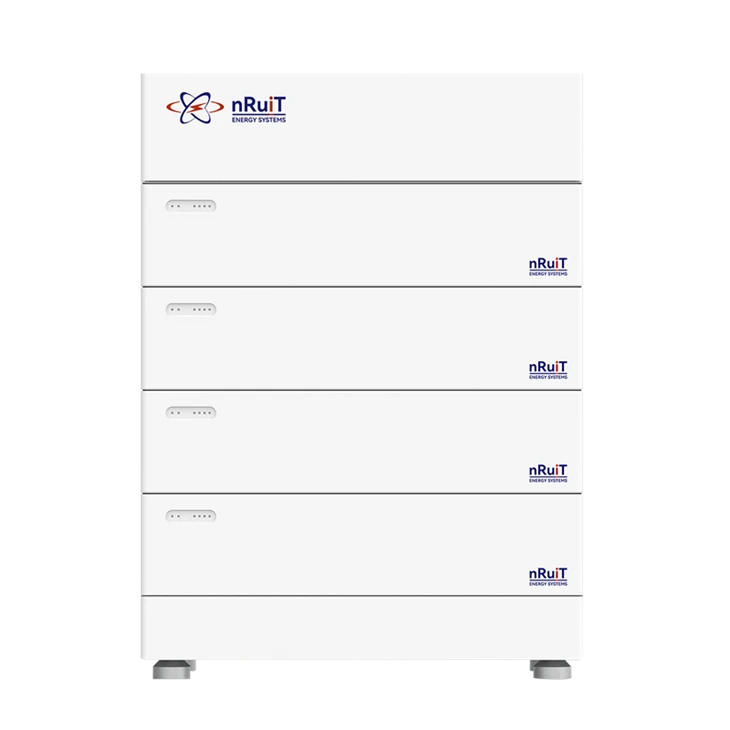

NMC batteries have a high energy density, similar to LiCoO₂ batteries, which makes them suitable for electric vehicles. They also have a relatively good power density, allowing for fast charging and discharging. Additionally, they are more stable than LiCoO₂ batteries, reducing the risk of safety issues. Our company provides a range of NMC - based products, including the 30KWH Stacked Lithium Battery, which is designed for large - scale energy storage and can be easily stacked to meet different energy requirements.
Lithium - Nickel - Cobalt - Aluminum Oxide (LiNiCoAlO₂ or NCA) Batteries
NCA batteries are another type of lithium battery commonly used in electric vehicles. They have a very high energy density, which allows electric vehicles to have a longer driving range on a single charge. The combination of nickel, cobalt, and aluminum in the cathode material enhances the battery's performance and stability.
However, NCA batteries require more complex manufacturing processes and strict quality control due to their relatively lower thermal stability compared to some other types of lithium batteries. They are also more expensive to produce because of the use of cobalt. Despite these challenges, their high energy density makes them a popular choice for high - end electric vehicles.
Lithium - Titanate Oxide (Li₄Ti₅O₁₂ or LTO) Batteries
Lithium - titanate oxide batteries have a unique anode material, lithium titanate, which offers several advantages. One of the main benefits of LTO batteries is their extremely long cycle life. They can be charged and discharged hundreds of thousands of times, making them suitable for applications where a high number of charge - discharge cycles is required.
LTO batteries also have a very fast charging capability. They can be charged to a high state of charge in a relatively short period of time. Additionally, they are very safe because the lithium titanate anode is more stable than graphite anodes used in other lithium batteries. However, they have a lower energy density compared to many other types of lithium batteries, which means they may not be the best choice for applications where space and weight are critical factors. Our 5KWH Rack Mount Lithium Battery utilizes advanced battery technology that can be customized based on different chemistries, including LTO in some cases, to meet specific customer needs.
As a lithium battery supplier, we understand the unique requirements of different applications and can provide the most suitable type of lithium battery for your project. Whether you need a high - energy - density battery for a portable device, a safe and long - lasting battery for an energy storage system, or a high - power battery for an electric vehicle, we have the expertise and products to meet your needs.
If you are interested in learning more about our lithium battery products or would like to discuss potential purchasing options, we invite you to initiate a conversation. Our team of experts is ready to provide detailed information, answer your questions, and assist you in finding the perfect lithium battery solution for your specific requirements.
References
- Tarascon, J. M., & Armand, M. (2001). Issues and challenges facing rechargeable lithium batteries. Nature, 414(6861), 359 - 367.
- Goodenough, J. B., & Kim, Y. (2010). Challenges for rechargeable Li batteries. Chemistry of Materials, 22(3), 587 - 603.
- Xu, K. (2004). Nonaqueous liquid electrolytes for lithium - based rechargeable batteries. Chemical Reviews, 104(10), 4303 - 4417.