

What are the challenges in deploying a Container Energy Storage System?
Nov 19, 2025
Leave a message
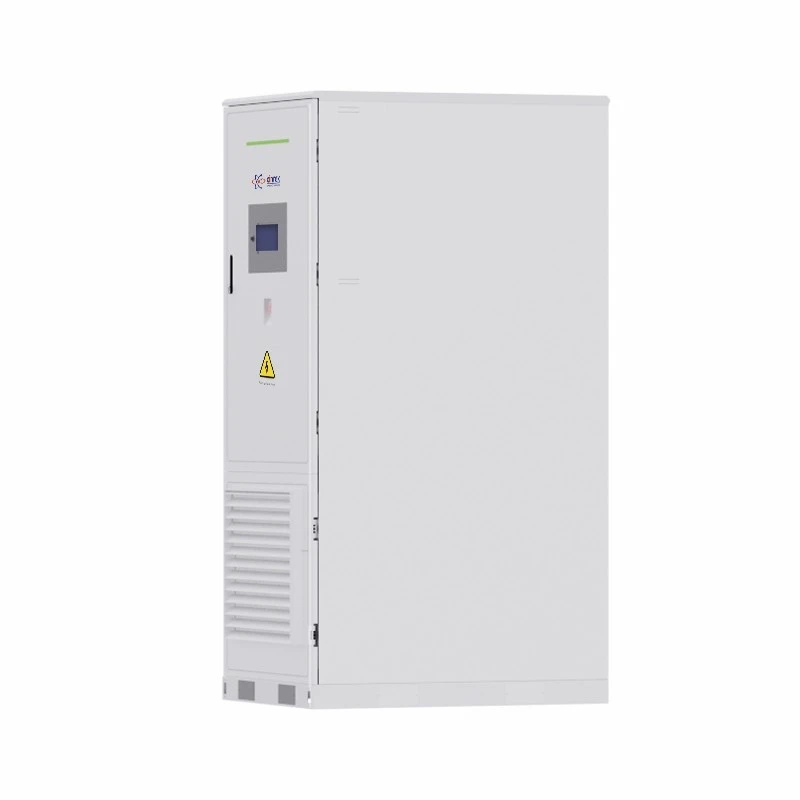
Hey there! As a supplier of Container Energy Storage System, I've seen firsthand the challenges that come with deploying these systems. In this blog, I'll share some of the key hurdles we face and how we're working to overcome them.
Technical Challenges
One of the biggest technical challenges in deploying a Container Energy Storage System is ensuring its compatibility with existing power grids. Power grids vary widely in terms of their voltage, frequency, and power quality requirements. Our Container Energy Storage System needs to be able to integrate seamlessly with these different grids to ensure stable and efficient operation.
For example, some grids may have a high level of harmonics or voltage fluctuations, which can cause issues for the energy storage system. To address this, we use advanced power electronics and control systems to filter out these disturbances and ensure that the system can operate within the grid's specifications.
Another technical challenge is the thermal management of the battery cells. Batteries generate heat during charging and discharging, and if this heat is not properly managed, it can lead to reduced battery life, performance degradation, and even safety risks.
We use a combination of active and passive cooling techniques to keep the battery cells at an optimal temperature. This includes using cooling fans, heat exchangers, and thermal insulation materials. Additionally, we monitor the temperature of the battery cells in real-time and adjust the cooling system as needed to ensure that they stay within the safe operating range.

Regulatory and Permitting Challenges
Deploying a Container Energy Storage System also involves navigating a complex regulatory and permitting landscape. Different regions have different rules and regulations regarding the installation, operation, and safety of energy storage systems.
For instance, some areas may require a special permit for the installation of a large-scale energy storage system. These permits often involve a detailed review of the system's design, safety features, and environmental impact. Obtaining these permits can be a time-consuming and costly process, which can delay the deployment of the system.
Moreover, there are also regulations related to the transportation and storage of batteries. Batteries are considered hazardous materials in many jurisdictions, and there are strict rules regarding their packaging, labeling, and transportation. We need to ensure that we comply with all these regulations to avoid any legal issues.
Economic Challenges
The economic viability of deploying a Container Energy Storage System is another significant challenge. The upfront cost of purchasing and installing an energy storage system can be quite high. This includes the cost of the batteries, the power electronics, the container, and the installation labor.
In addition to the upfront cost, there are also ongoing operational and maintenance costs. Batteries have a limited lifespan, and they need to be replaced periodically. The cost of battery replacement can be a significant expense over the lifetime of the system.
To make the system more economically viable, we need to find ways to reduce the upfront cost and increase the revenue streams. This can include partnering with utilities to participate in demand response programs, selling excess energy back to the grid, or providing ancillary services such as frequency regulation.
Safety Challenges
Safety is always a top priority when it comes to energy storage systems. Batteries can pose a fire, explosion, or chemical hazard if they are not properly designed, installed, and maintained.
We take several measures to ensure the safety of our Container Energy Storage System. This includes using high-quality battery cells with built-in safety features, such as overcharge and over-discharge protection. We also install fire suppression systems and emergency shutdown mechanisms in the container to prevent and mitigate the risk of fire.
In addition, we provide comprehensive training to our customers on the safe operation and maintenance of the system. This includes training on how to handle the batteries, how to perform routine inspections, and what to do in case of an emergency.
Market Challenges
The market for energy storage systems is still relatively new and evolving. There is a lack of awareness and understanding among potential customers about the benefits and applications of Container Energy Storage Systems.
Many customers are still hesitant to invest in energy storage systems due to the perceived risks and uncertainties. They may be concerned about the reliability of the technology, the cost, and the potential impact on their existing power systems.
To overcome these market challenges, we need to educate potential customers about the advantages of energy storage systems. We can do this by providing case studies, white papers, and product demonstrations. Additionally, we need to build trust with our customers by providing excellent customer service and support.
Overcoming the Challenges
Despite these challenges, we are confident that the future of Container Energy Storage Systems is bright. We are constantly working on developing new technologies and solutions to address these challenges.
For example, we are researching and developing new battery chemistries that offer higher energy density, longer battery life, and improved safety. We are also working on improving the efficiency of our power electronics and control systems to reduce the overall cost of the system.
In terms of regulatory and permitting challenges, we are working closely with local authorities and industry associations to advocate for more streamlined and consistent regulations. We believe that by working together, we can create a more favorable environment for the deployment of energy storage systems.
To address the economic challenges, we are exploring new business models and revenue streams. This includes offering energy storage as a service, where customers can pay for the use of the energy storage system on a subscription basis.
Conclusion
In conclusion, deploying a Container Energy Storage System is not without its challenges. Technical, regulatory, economic, safety, and market challenges all need to be carefully considered and addressed. However, with the right approach and technology, these challenges can be overcome.
If you're interested in learning more about our Container Energy Storage System, Indoor Energy Storage Battery Cabinet, or Solar Energy Storage Battery Cabinet, or if you have any questions about the deployment process, feel free to reach out to us. We're here to help you navigate these challenges and find the best energy storage solution for your needs. Let's start the conversation about how we can work together to make your energy storage project a success!
References
- "Energy Storage Systems: Technical and Regulatory Challenges." Journal of Energy Storage.
- "The Economics of Energy Storage Deployment." Energy Economics Review.
- "Safety Considerations for Battery Energy Storage Systems." Battery Safety Journal.