

How to transport an indoor energy storage battery cabinet safely?
Nov 14, 2025
Leave a message
Hey there! As a supplier of Indoor Energy Storage Battery Cabinets, I've seen firsthand how crucial it is to transport these heavy-duty powerhouses safely. Trust me, it's not just about getting them from point A to point B; it's about ensuring they arrive in one piece and ready to rock and roll. So, let's dive into the nitty-gritty of how to transport an indoor energy storage battery cabinet safely.
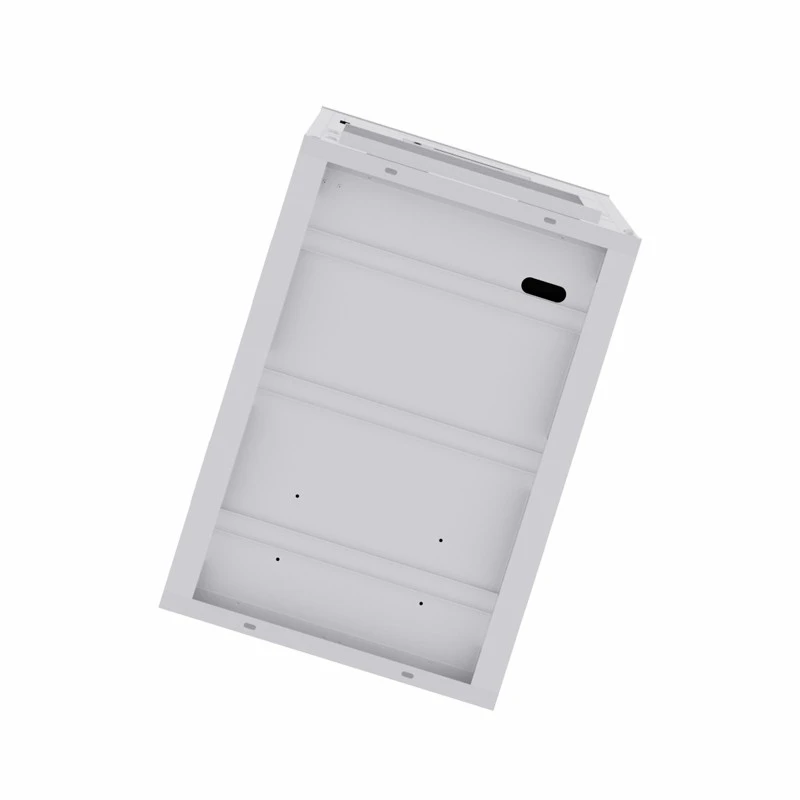

Understanding the Risks
First things first, we need to understand what we're up against. Indoor energy storage battery cabinets are big, heavy, and packed with a lot of energy. That means there are some serious risks involved if they're not transported correctly. For starters, these cabinets can be damaged during transit, which could lead to malfunctions or even safety hazards. There's also the risk of electrical shock if the cabinet's electrical components are exposed or damaged. And let's not forget about the potential for fire or explosion if the battery is mishandled.
Pre-Transport Preparation
Before you even think about moving an indoor energy storage battery cabinet, you need to do some prep work. This includes:
Inspection
Give the cabinet a thorough once-over to make sure there are no visible signs of damage. Check for cracks, dents, or loose connections. If you notice anything suspicious, don't transport the cabinet until it's been repaired.
Securing the Battery
Make sure the battery is securely fastened inside the cabinet. This will prevent it from shifting during transit, which could cause damage to the battery or the cabinet itself.
Documentation
Gather all the necessary documentation, including the cabinet's user manual, safety data sheets, and any permits or licenses required for transportation. This will ensure that you're in compliance with all relevant regulations.
Packaging
Use high-quality packaging materials to protect the cabinet during transit. This could include foam padding, bubble wrap, or custom-made crates. Make sure the packaging is sturdy enough to withstand the rigors of transportation.
Choosing the Right Transport Method
Once you've done your prep work, it's time to choose the right transport method. There are several options available, including:
Trucking
Trucking is the most common method of transporting indoor energy storage battery cabinets. It's relatively inexpensive and offers a high degree of flexibility. However, it's important to choose a reputable trucking company that has experience transporting heavy and oversized loads.
Rail
Rail transportation is a good option for long-distance shipments. It's generally more cost-effective than trucking and can handle larger loads. However, it's also less flexible and may require additional handling at the origin and destination.
Air
Air transportation is the fastest option, but it's also the most expensive. It's typically only used for urgent or high-value shipments.
Loading and Unloading
Loading and unloading an indoor energy storage battery cabinet requires special care and attention. Here are some tips to keep in mind:
Use the Right Equipment
Make sure you have the right equipment for the job, including forklifts, pallet jacks, or cranes. These tools will help you move the cabinet safely and efficiently.
Follow Proper Procedures
Follow the manufacturer's instructions for loading and unloading the cabinet. This may include using specific lifting points or following a certain sequence of steps.
Be Careful
Take your time and be careful when loading and unloading the cabinet. Avoid dropping or tipping the cabinet, as this could cause damage to the battery or the cabinet itself.
During Transit
Once the cabinet is on the road, there are a few things you can do to ensure its safety:
Monitor the Temperature
Indoor energy storage battery cabinets are sensitive to temperature changes. Make sure the temperature inside the transport vehicle stays within the recommended range. This may require using a temperature-controlled trailer or monitoring the temperature regularly.
Secure the Load
Make sure the cabinet is securely fastened inside the transport vehicle. This will prevent it from shifting during transit, which could cause damage to the battery or the cabinet itself.
Check the Load Regularly
Check the cabinet regularly during transit to make sure it's still secure and there are no signs of damage. If you notice anything suspicious, stop the vehicle immediately and take appropriate action.
Unloading and Installation
Once the cabinet arrives at its destination, it's time to unload and install it. Here are some tips to keep in mind:
Follow the Manufacturer's Instructions
Follow the manufacturer's instructions for unloading and installing the cabinet. This may include using specific lifting points or following a certain sequence of steps.
Be Careful
Take your time and be careful when unloading and installing the cabinet. Avoid dropping or tipping the cabinet, as this could cause damage to the battery or the cabinet itself.
Test the Cabinet
Once the cabinet is installed, test it to make sure it's working properly. This may include checking the battery's charge level, testing the cabinet's electrical connections, and running a diagnostic test.
Conclusion
Transporting an indoor energy storage battery cabinet safely requires careful planning, preparation, and execution. By following the tips outlined in this blog post, you can minimize the risks and ensure that your cabinet arrives at its destination in one piece and ready to use.
If you're in the market for an Indoor Energy Storage Battery Cabinet, Indoor Energy Storage Battery Cabinet we've got you covered. We also offer Container Energy Storage System and Solar Energy Storage Battery Cabinet options to meet your specific needs. If you have any questions or would like to discuss your requirements, feel free to reach out. We're here to help you make the right choice for your energy storage needs.
References
- Manufacturer's user manuals for indoor energy storage battery cabinets
- Safety data sheets for battery components
- Relevant transportation regulations and guidelines