

How to optimize the performance of an indoor energy storage battery cabinet?
Nov 11, 2025
Leave a message
Hey there! As a supplier of Indoor Energy Storage Battery Cabinets, I've seen firsthand the importance of optimizing their performance. In this blog, I'll share some tips and tricks on how to get the most out of your indoor energy storage battery cabinet.
Understanding the Basics
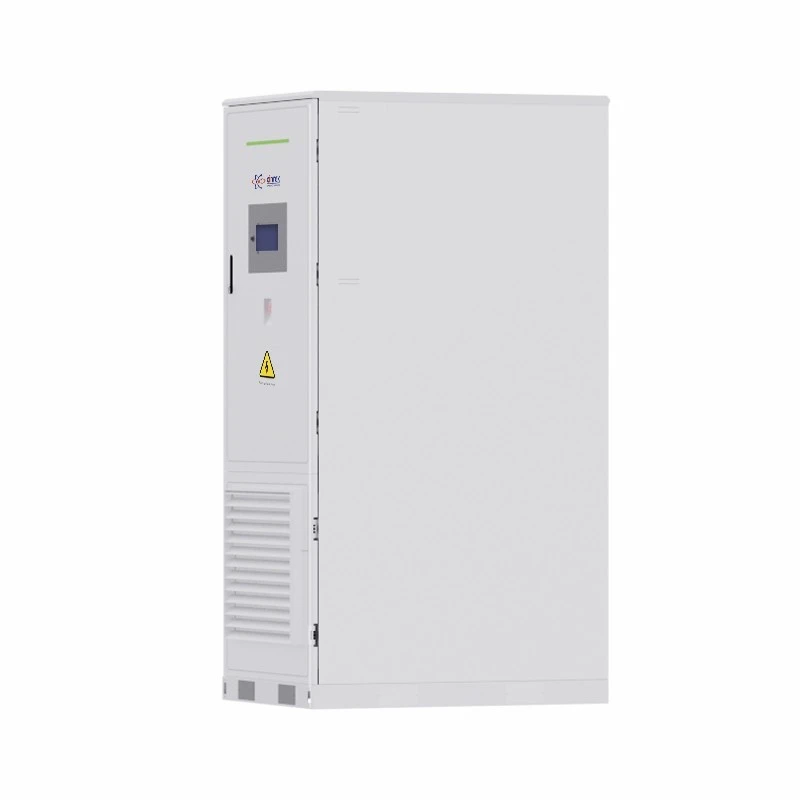
Before we dive into the optimization strategies, let's quickly go over the basics of an indoor energy storage battery cabinet. These cabinets are designed to store electrical energy for later use, typically in a residential or commercial setting. They're often used in conjunction with solar panels or other renewable energy sources to store excess energy generated during the day for use at night or during periods of high demand.
The key components of an indoor energy storage battery cabinet include the batteries themselves, a battery management system (BMS), a power conversion system (PCS), and a monitoring system. The BMS ensures that the batteries are charged and discharged safely and efficiently, while the PCS converts the DC power stored in the batteries into AC power that can be used by your home or business. The monitoring system allows you to keep track of the cabinet's performance and energy usage.
Optimizing Battery Performance
The batteries are the heart of your indoor energy storage battery cabinet, so it's crucial to take good care of them to ensure optimal performance. Here are some tips to help you do just that:
- Choose the Right Batteries: Not all batteries are created equal, so it's important to choose the ones that are best suited for your needs. Consider factors such as capacity, voltage, cycle life, and cost when making your decision. Lithium-ion batteries are a popular choice for indoor energy storage due to their high energy density, long cycle life, and low self-discharge rate.
- Maintain the Right Temperature: Batteries perform best within a certain temperature range, typically between 20°C and 25°C. Extreme temperatures can reduce the battery's capacity and lifespan, so it's important to keep the cabinet in a well-ventilated area and away from direct sunlight or heat sources. Some cabinets come with built-in temperature control systems to help regulate the temperature.
- Charge and Discharge Properly: Overcharging or discharging the batteries too deeply can damage them and reduce their lifespan. Follow the manufacturer's recommendations for charging and discharging the batteries, and avoid leaving them in a fully charged or fully discharged state for extended periods of time. Some BMSs have built-in protection mechanisms to prevent overcharging and over-discharging.
- Perform Regular Maintenance: Regular maintenance is essential to keep your batteries in good condition. This includes checking the battery connections for tightness and corrosion, cleaning the battery terminals, and monitoring the battery's state of charge and health. You may also want to consider having your batteries professionally tested and serviced on a regular basis.
Optimizing the Battery Management System (BMS)
The BMS plays a crucial role in ensuring the safe and efficient operation of your indoor energy storage battery cabinet. Here are some tips to help you optimize the performance of your BMS:
- Choose a High-Quality BMS: A good BMS should be able to accurately monitor the battery's state of charge, temperature, and voltage, and adjust the charging and discharging process accordingly. Look for a BMS that has a proven track record of reliability and performance.
- Configure the BMS Correctly: Once you've installed the BMS, it's important to configure it correctly to ensure that it's working properly. This includes setting the appropriate charging and discharging parameters, such as the maximum and minimum voltage, the charge and discharge current, and the temperature limits.
- Update the BMS Firmware: Manufacturers often release firmware updates for their BMSs to improve performance, add new features, and fix bugs. Make sure to keep your BMS's firmware up to date to ensure that it's running at its best.
- Monitor the BMS Performance: Regularly monitor the BMS's performance to ensure that it's working properly. Look for any error messages or warnings, and check the battery's state of charge and health. If you notice any issues, contact the manufacturer or a qualified technician for assistance.
Optimizing the Power Conversion System (PCS)
The PCS is responsible for converting the DC power stored in the batteries into AC power that can be used by your home or business. Here are some tips to help you optimize the performance of your PCS:
- Choose the Right PCS: The size and capacity of the PCS should be matched to the size and capacity of your battery cabinet. A PCS that is too small may not be able to handle the load, while a PCS that is too large may be inefficient and costly. Consider factors such as the maximum power output, the efficiency, and the compatibility with your battery cabinet when choosing a PCS.
- Install the PCS Properly: The PCS should be installed in a well-ventilated area and away from any sources of interference or electromagnetic radiation. Make sure to follow the manufacturer's installation instructions carefully, and have the installation performed by a qualified electrician.
- Configure the PCS Correctly: Once the PCS is installed, it's important to configure it correctly to ensure that it's working properly. This includes setting the appropriate output voltage, frequency, and phase, as well as any other parameters that may be required for your specific application.
- Monitor the PCS Performance: Regularly monitor the PCS's performance to ensure that it's working properly. Look for any error messages or warnings, and check the output voltage and frequency. If you notice any issues, contact the manufacturer or a qualified technician for assistance.
Optimizing the Monitoring System
The monitoring system allows you to keep track of the performance and energy usage of your indoor energy storage battery cabinet. Here are some tips to help you optimize the performance of your monitoring system:
- Choose a User-Friendly Monitoring System: The monitoring system should be easy to use and understand, with a clear and intuitive interface. Look for a system that allows you to view real-time data on the battery's state of charge, energy usage, and performance, as well as historical data and reports.
- Set Up Alerts and Notifications: Most monitoring systems allow you to set up alerts and notifications to notify you of any issues or anomalies with the cabinet's performance. This can help you quickly identify and address any problems before they become serious.
- Use the Monitoring System to Optimize Energy Usage: The monitoring system can also help you optimize your energy usage by providing you with insights into your energy consumption patterns. Use this information to make adjustments to your energy usage habits and reduce your energy costs.
- Keep the Monitoring System Up to Date: Like the BMS and PCS, the monitoring system may require firmware updates from time to time to improve performance and add new features. Make sure to keep the system up to date to ensure that it's running at its best.
Conclusion
Optimizing the performance of your indoor energy storage battery cabinet is essential to ensure that you get the most out of your investment. By following the tips and tricks outlined in this blog, you can help extend the battery's lifespan, improve the cabinet's efficiency, and reduce your energy costs. Remember to choose the right components, maintain the right temperature, charge and discharge properly, and monitor the cabinet's performance regularly.
If you're interested in learning more about our Indoor Energy Storage Battery Cabinet or our other energy storage solutions, please don't hesitate to contact us. We'd be happy to answer any questions you may have and help you find the right solution for your needs.

References
- "Battery Energy Storage Systems: Design and Implementation." IEEE Press, 2017.
- "Lithium-Ion Batteries: Science and Technologies." Springer, 2014.
- "Energy Storage Handbook for Renewable Energy Integration." Elsevier, 2015.