

How does the battery in an energy storage container degrade over time?
Dec 10, 2025
Leave a message
As a supplier of energy storage containers, I've witnessed firsthand the crucial role these systems play in the modern energy landscape. Energy storage containers are pivotal in enabling the efficient use of renewable energy sources, offering solutions for load balancing, peak shaving, and backup power. However, one of the most pressing concerns in the realm of energy storage is the degradation of batteries over time. In this blog post, I'll delve into the intricacies of battery degradation in energy storage containers, exploring the factors at play and the implications for long - term performance.

Understanding the Basics of Battery Degradation
Battery degradation refers to the gradual loss of a battery's capacity and performance over its lifespan. In an energy storage container, the battery is the heart of the system, responsible for storing and releasing electrical energy as needed. Over time, several factors contribute to the decline in battery health.
One primary factor is chemical reactions within the battery. In a lithium - ion battery, which is commonly used in energy storage containers, the electrodes undergo complex chemical processes during charging and discharging. For example, lithium ions move between the anode and cathode during normal operation. However, over repeated charge - discharge cycles, side reactions can occur. These reactions might involve the formation of a solid - electrolyte interphase (SEI) layer on the anode. While the SEI layer is initially beneficial as it helps stabilize the battery, continuous growth can lead to increased internal resistance and loss of active lithium ions, thereby reducing the battery's capacity [1].
Another significant factor is temperature. Energy storage containers are often deployed in a variety of environments, and temperature fluctuations can have a profound impact on battery degradation. High temperatures accelerate chemical reactions within the battery, leading to faster degradation of the electrodes and electrolyte. On the other hand, low temperatures can increase the battery's internal resistance, reducing its ability to deliver power efficiently and also causing stress on the battery structure during charging and discharging.
Factors Affecting Battery Degradation in Energy Storage Containers
Charge - Discharge Cycles
The number of charge - discharge cycles a battery undergoes is one of the most obvious determinants of its degradation. Each cycle causes wear and tear on the battery's components. For instance, in a large - scale energy storage container used for grid - scale applications, the battery may be charged and discharged multiple times a day. This frequent cycling can lead to physical stress on the electrodes, causing them to crack or delaminate. As the electrodes degrade, the battery's ability to store and release energy is compromised.
To mitigate the effects of charge - discharge cycles, proper management strategies are essential. This includes controlling the depth of discharge (DOD), which is the percentage of the battery's capacity that is used during each cycle. A lower DOD generally results in slower degradation. For example, if a battery is regularly discharged to only 50% of its capacity instead of 80% or 100%, it can significantly extend its lifespan.
State of Charge (SOC)
The state of charge also plays a vital role in battery degradation. Maintaining the battery at extreme SOC levels for extended periods can accelerate degradation. When a battery is fully charged (100% SOC), the electrodes are under high stress, and side reactions are more likely to occur. Similarly, leaving a battery at a very low SOC can lead to irreversible damage, such as the precipitation of lithium metal on the anode, which can cause short - circuits and safety hazards.
To optimize the battery's lifespan, it's important to keep the SOC within an ideal range. For many lithium - ion batteries, this range is typically between 20% and 80% SOC. Energy management systems in energy storage containers can be programmed to maintain the battery within this optimal range, reducing the risk of accelerated degradation.
Environmental Conditions
As mentioned earlier, environmental conditions, especially temperature and humidity, have a significant impact on battery degradation. Energy storage containers deployed in hot and humid climates face greater challenges compared to those in more temperate regions. High humidity can lead to the corrosion of battery components, while extreme temperatures can cause thermal runaway, a dangerous condition where the battery overheats and can potentially catch fire or explode.
To address these issues, energy storage containers are often equipped with climate control systems. These systems can regulate the temperature and humidity inside the container, providing a stable environment for the batteries. Additionally, proper insulation and ventilation can help dissipate heat and prevent moisture buildup.
Real - World Implications of Battery Degradation
The degradation of batteries in energy storage containers has several real - world implications. For energy providers, it means that the capacity of the energy storage system decreases over time, potentially reducing its effectiveness in grid - scale applications. For example, if an energy storage container is used for peak shaving, a decrease in battery capacity could result in the system being unable to meet the peak demand as effectively as it did when it was new.
From an economic perspective, battery degradation also affects the return on investment (ROI) for energy storage projects. The cost of replacing batteries can be significant, especially in large - scale installations. Therefore, understanding and mitigating battery degradation is crucial for maximizing the economic viability of energy storage systems.
Technologies and Strategies to Mitigate Battery Degradation
As a supplier of energy storage containers, we are constantly exploring technologies and strategies to mitigate battery degradation. One approach is the use of advanced battery management systems (BMS). A BMS can monitor the battery's state of charge, temperature, and other parameters in real - time and adjust the charging and discharging processes accordingly. This helps to ensure that the battery operates within the optimal conditions, reducing the risk of degradation.
Another strategy is the selection of high - quality batteries. Different types of lithium - ion batteries have different degradation characteristics. For example, lithium iron phosphate (LiFePO4) batteries are known for their longer cycle life and better thermal stability compared to other lithium - ion chemistries. By choosing the right battery chemistry for a specific application, we can significantly extend the battery's lifespan.
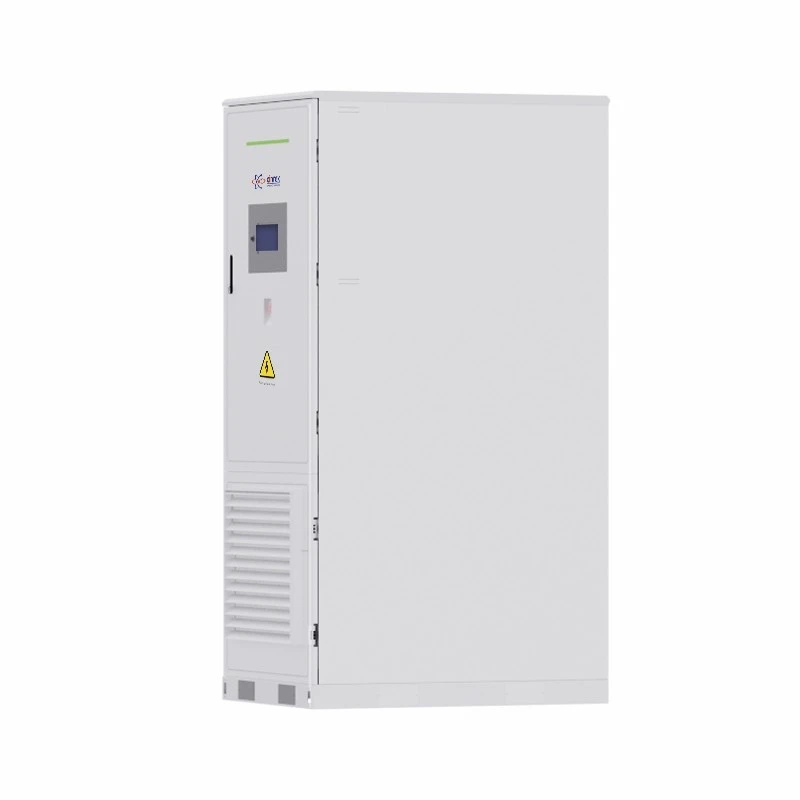
In addition, we offer a range of energy storage solutions such as the Solar Energy Storage Battery Cabinet, Outdoor Energy Storage Battery Cabinet, and Container Energy Storage System. These products are designed with features to minimize battery degradation, such as advanced cooling systems and intelligent energy management.
Contact for Purchase and Consultation
If you're interested in energy storage containers and want to learn more about how we can help you manage battery degradation and get the most out of your energy storage system, we'd love to hear from you. Whether you're a utility company, a renewable energy developer, or an industrial customer, our team of experts can provide you with customized solutions tailored to your specific needs. Contact us today to start a discussion about your energy storage requirements.
References
[1] Arora, P., White, R. E., & Doyle, M. (1999). Development of a simulation model for a lithium ion battery. Journal of The Electrochemical Society, 146(10), 3626 - 3639.