

How does a home energy storage solar stacked battery work with a time - of - use electricity tariff?
Sep 02, 2025
Leave a message
In today's era of increasing energy awareness and the pursuit of sustainable living, home energy storage systems have emerged as a crucial solution for homeowners looking to optimize their energy consumption and reduce electricity costs. As a supplier of Home Energy Storage Solar Stacked Battery, I am excited to delve into how these innovative batteries work in conjunction with time-of-use (TOU) electricity tariffs to provide significant benefits to users.
Understanding Time-of-Use Electricity Tariffs
Time-of-use electricity tariffs are a pricing model where the cost of electricity varies depending on the time of day. Utility companies typically divide the day into different periods, such as peak, off-peak, and shoulder periods. Peak periods usually occur during the times when electricity demand is highest, often in the late afternoon and early evening when people return home from work and turn on multiple appliances. During these peak hours, electricity prices are significantly higher. Off-peak periods, on the other hand, occur during the night or early morning when demand is low, and electricity prices are much lower. Shoulder periods fall between peak and off-peak times and have intermediate prices.
The goal of TOU tariffs is to encourage consumers to shift their electricity usage from peak to off-peak periods, thereby reducing the strain on the power grid during high-demand times. By using electricity when it is cheaper, consumers can save money on their electricity bills.
How Home Energy Storage Solar Stacked Batteries Work
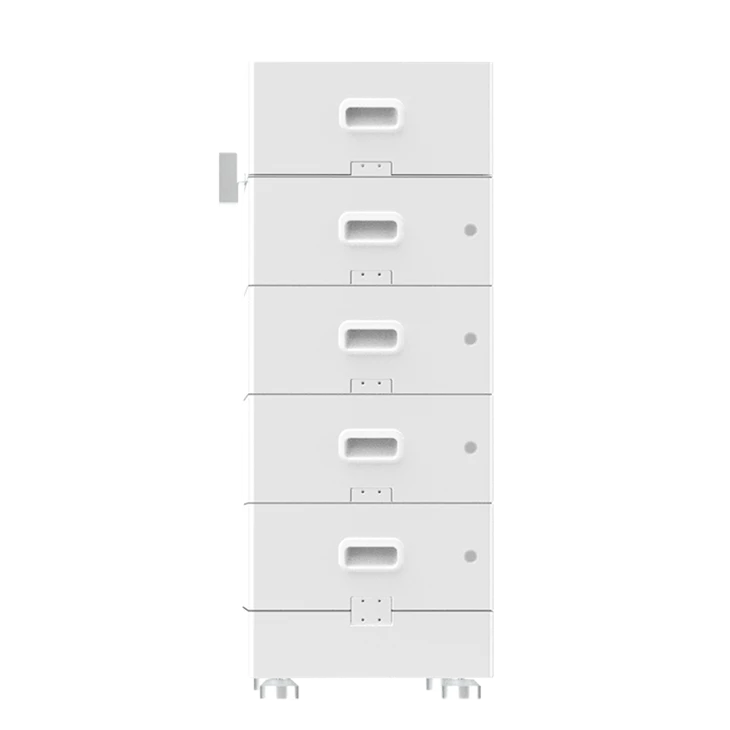
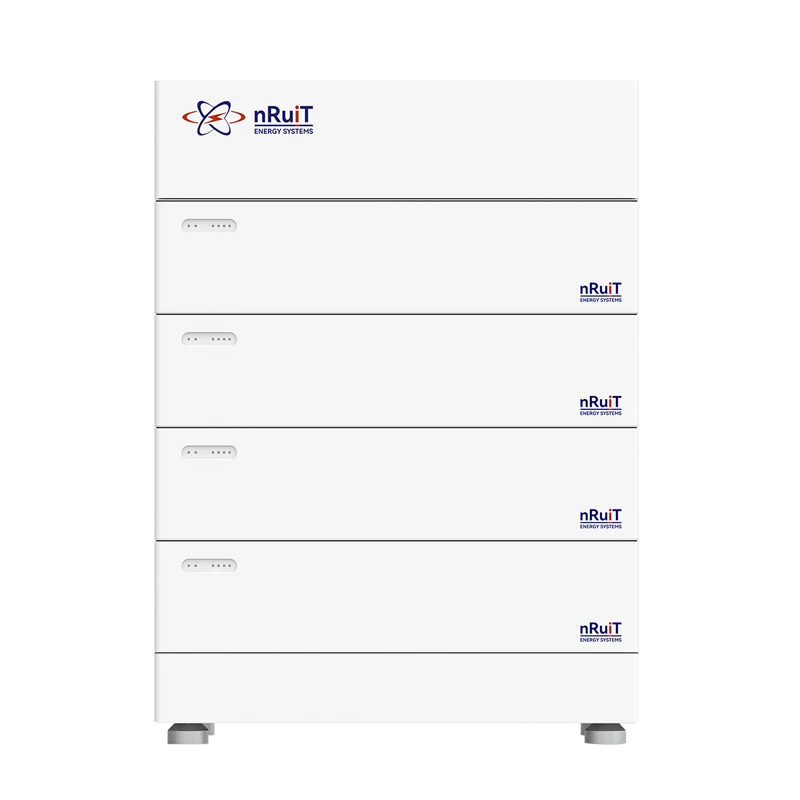
Home energy storage solar stacked batteries are designed to store excess electricity generated by solar panels during the day. These batteries consist of multiple lithium-ion battery modules that can be stacked together to increase the storage capacity. For example, our 30KWH Stacked Lithium Battery and 51.2V 100AH Stacked Lithium Battery offer different storage capacities to meet the diverse needs of homeowners.
Here's a step-by-step process of how these batteries work in conjunction with a solar power system and TOU tariffs:
1. Solar Energy Generation
During the day, solar panels on the roof of a home capture sunlight and convert it into direct current (DC) electricity. This DC electricity is then sent to an inverter, which converts it into alternating current (AC) electricity that can be used to power the home's appliances and devices.
2. Battery Charging
If the solar panels generate more electricity than the home is currently using, the excess electricity is diverted to the home energy storage solar stacked battery. The battery charges up during the day, storing the surplus energy for later use. This is particularly beneficial because it allows homeowners to make the most of the free solar energy generated during the day, even when they are not at home to use it.
3. Energy Discharge
When the sun goes down or during periods of low solar generation, the home can draw power from the stored energy in the battery. This is where TOU tariffs come into play. Instead of drawing electricity from the grid during peak hours when prices are high, homeowners can use the energy stored in the battery. For example, in the evening when the family is at home and using multiple appliances, the battery can power the home, reducing the need to purchase expensive peak-hour electricity from the grid.
4. Grid Interaction
If the energy stored in the battery is depleted or if the home requires more electricity than the battery can provide, the home will automatically switch to drawing electricity from the grid. However, by using the battery to meet the home's energy needs during peak hours, homeowners can significantly reduce their overall electricity costs.
Benefits of Using Home Energy Storage Solar Stacked Batteries with TOU Tariffs
1. Cost Savings
One of the most significant benefits of using a home energy storage solar stacked battery with TOU tariffs is cost savings. By storing excess solar energy during the day and using it during peak hours, homeowners can avoid paying high electricity prices during those periods. Over time, these savings can add up to a substantial amount, offsetting the initial investment in the battery system.
2. Energy Independence
Home energy storage solar stacked batteries provide homeowners with a greater degree of energy independence. They are less reliant on the grid for their electricity needs, especially during peak hours. This can be particularly beneficial during power outages, as the battery can continue to power essential appliances and devices, ensuring a comfortable and safe living environment.
3. Environmental Sustainability
By using solar energy and storing it in a battery, homeowners are reducing their reliance on fossil fuels and decreasing their carbon footprint. Solar energy is a clean and renewable energy source, and using it to power the home helps to contribute to a more sustainable future.
4. Grid Support
By shifting electricity usage from peak to off-peak periods, homeowners using home energy storage solar stacked batteries are also providing support to the power grid. This helps to reduce the overall demand on the grid during peak hours, which can prevent blackouts and improve the stability of the electricity supply.
Case Studies
Let's take a look at a couple of case studies to illustrate the benefits of using home energy storage solar stacked batteries with TOU tariffs.
Case Study 1: A Family Home
A family of four lives in a home with a solar power system and a 30KWH Stacked Lithium Battery. During the day, the solar panels generate enough electricity to power the home's appliances and charge the battery. In the evening, when the family is at home and using multiple appliances, the battery provides power, reducing the need to draw electricity from the grid during peak hours. As a result, the family saves an average of 30% on their monthly electricity bill.
Case Study 2: A Small Business
A small business with a solar power system and a home energy storage solar stacked battery system also benefits from using TOU tariffs. The business operates during the day, and the solar panels generate enough electricity to meet most of its energy needs. The excess energy is stored in the battery. In the evening, when the business is closed, the battery can be used to power security systems and other essential equipment, reducing the cost of overnight electricity consumption.
Considerations When Choosing a Home Energy Storage Solar Stacked Battery
When choosing a home energy storage solar stacked battery, there are several factors to consider:
1. Storage Capacity
The storage capacity of the battery should be based on the home's energy consumption and solar generation. A larger storage capacity will allow the home to store more energy and meet its energy needs for a longer period, especially during periods of low solar generation or high energy demand.
2. Battery Efficiency
The efficiency of the battery determines how much energy can be stored and retrieved. A more efficient battery will waste less energy during the charging and discharging process, resulting in greater overall energy savings.
3. Battery Lifespan
The lifespan of the battery is an important consideration, as it affects the long-term cost-effectiveness of the system. Lithium-ion batteries typically have a longer lifespan compared to other types of batteries, but it is still important to choose a battery with a good warranty and a proven track record of reliability.
4. Compatibility
The battery should be compatible with the home's solar power system and inverter. It is important to ensure that the battery can be easily integrated into the existing system without any compatibility issues.
Conclusion
Home energy storage solar stacked batteries offer a practical and cost-effective solution for homeowners looking to optimize their energy consumption and reduce electricity costs. By working in conjunction with time-of-use electricity tariffs, these batteries allow homeowners to store excess solar energy during the day and use it during peak hours when electricity prices are high. The benefits of using these batteries include cost savings, energy independence, environmental sustainability, and grid support.
If you are interested in learning more about our Home Energy Storage Solar Stacked Battery products and how they can work with TOU tariffs to benefit your home or business, please feel free to contact us. We are happy to provide more information and discuss your specific energy needs.
References
- Kempton, W., & Tomić, J. (2005). Vehicle-to-grid power fundamentals: Calculating capacity and net revenue. Journal of Power Sources, 144(1), 268 - 279.
- Lovins, A. B. (1976). Energy strategy: The road not taken? Foreign Affairs, 55(1), 65 - 96.
- Sovacool, B. K. (2011). The dirty energy dilemma: Toward a sustainable future. John Wiley & Sons.