

How does a Container Energy Storage System handle harmonic distortion?
Sep 10, 2025
Leave a message
As a seasoned supplier of Container Energy Storage Systems, I've witnessed firsthand the critical role these systems play in modern energy landscapes. One of the most persistent challenges in energy storage and distribution is harmonic distortion. In this blog, I'll delve into how our Container Energy Storage Systems effectively handle harmonic distortion, ensuring stable and efficient energy supply.
Understanding Harmonic Distortion
Harmonic distortion occurs when the sinusoidal waveform of an electrical current or voltage is altered by the presence of harmonics. These harmonics are multiples of the fundamental frequency (usually 50 or 60 Hz in most power systems). Non - linear loads such as variable - speed drives, rectifiers, and some types of lighting can introduce these harmonics into the electrical system.
The consequences of harmonic distortion are far - reaching. It can lead to overheating of transformers, generators, and cables, reducing their lifespan and increasing the risk of electrical failures. It may also cause interference with sensitive electronic equipment, leading to malfunctions and inaccurate readings. In addition, harmonic distortion can result in power quality issues, such as voltage fluctuations and flicker, which can affect the performance of connected devices.
How Container Energy Storage Systems Come into Play
Our Container Energy Storage Systems are designed with advanced technologies to mitigate the effects of harmonic distortion. First and foremost, they are equipped with high - quality power conversion systems (PCS). The PCS is the heart of the energy storage system, responsible for converting direct current (DC) stored in the batteries to alternating current (AC) for use in the grid or other applications.
Modern PCS in our container systems are designed with sophisticated control algorithms. These algorithms can detect the presence of harmonics in the electrical system and adjust the output of the PCS accordingly. For example, they can generate counter - harmonics that cancel out the unwanted harmonics in the grid. This active harmonic compensation technique helps to maintain a clean and stable power supply.
Another key feature of our Container Energy Storage Systems is the use of high - performance filters. These filters are installed at the input and output of the PCS to suppress harmonic currents and voltages. Passive filters, such as LC filters, are commonly used to block specific harmonic frequencies. They work by creating a low - impedance path for the harmonics, diverting them away from the main electrical system.
In addition to passive filters, our systems may also incorporate active filters. Active filters are more flexible and can adapt to changing harmonic conditions in real - time. They use power electronics to inject compensating currents into the system, effectively canceling out the harmonics. This combination of passive and active filtering ensures a comprehensive approach to harmonic mitigation.
Battery Management and Harmonic Mitigation
The battery management system (BMS) in our Container Energy Storage Systems also plays an important role in handling harmonic distortion. The BMS is responsible for monitoring and controlling the state of charge, state of health, and temperature of the batteries. By maintaining optimal battery conditions, the BMS helps to ensure the stable operation of the entire energy storage system.
Harmonic distortion can have a negative impact on battery performance. Excessive harmonic currents can cause additional heating in the batteries, which can reduce their efficiency and lifespan. The BMS in our systems can detect abnormal operating conditions caused by harmonics and take appropriate measures. For example, it can adjust the charging and discharging rates of the batteries to avoid overheating and stress on the battery cells.
Real - World Applications and Case Studies
Let's take a look at some real - world scenarios where our Container Energy Storage Systems have successfully handled harmonic distortion. In an industrial park, there were numerous non - linear loads such as large - scale manufacturing equipment and variable - speed motors. These loads were causing significant harmonic distortion in the electrical system, leading to frequent equipment failures and power quality issues.
We installed one of our 200kWH Battery Energy Storage systems in the industrial park. The PCS in the system detected the harmonics and started the active harmonic compensation process. The high - performance filters also worked to suppress the harmonic currents. As a result, the power quality in the industrial park improved significantly. The voltage fluctuations were reduced, and the equipment failures due to harmonic - related issues were eliminated.
In another case, a commercial building with a large number of LED lighting and IT equipment was experiencing harmonic distortion problems. The Indoor Energy Storage Battery Cabinet we provided was integrated into the building's electrical system. The BMS in the cabinet monitored the battery conditions and adjusted the charging and discharging cycles to ensure stable operation. The PCS and filters in the system effectively mitigated the harmonic distortion, providing a clean and reliable power supply for the building's electrical equipment.
Integration with the Grid
Our Container Energy Storage Systems are designed to be easily integrated with the grid. They can operate in both grid - connected and off - grid modes. When connected to the grid, they can act as a buffer, absorbing excess energy during periods of low demand and injecting it back into the grid during peak demand. This not only helps to balance the grid but also contributes to the reduction of harmonic distortion.
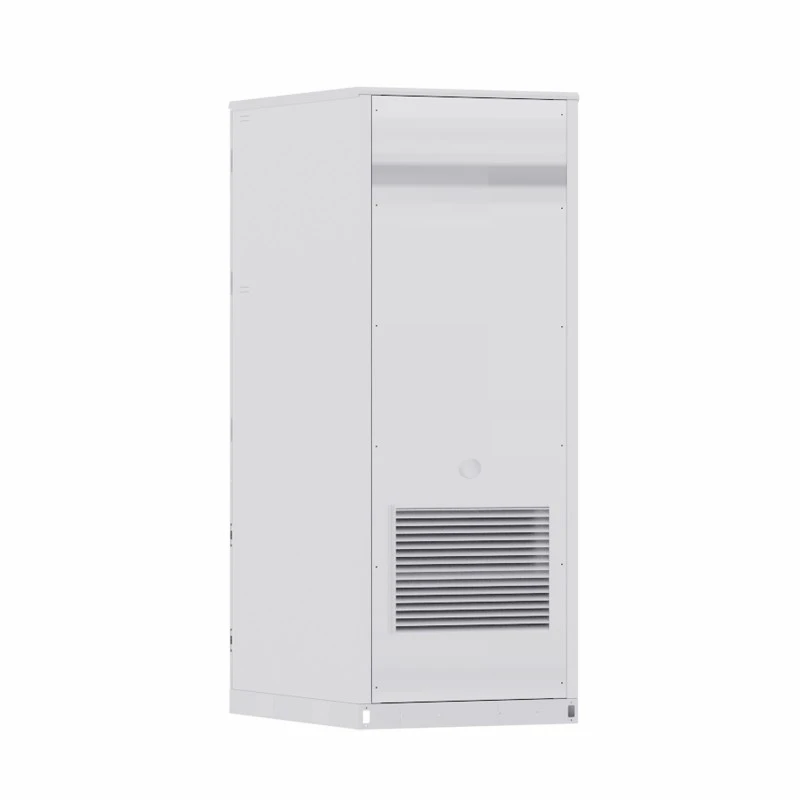
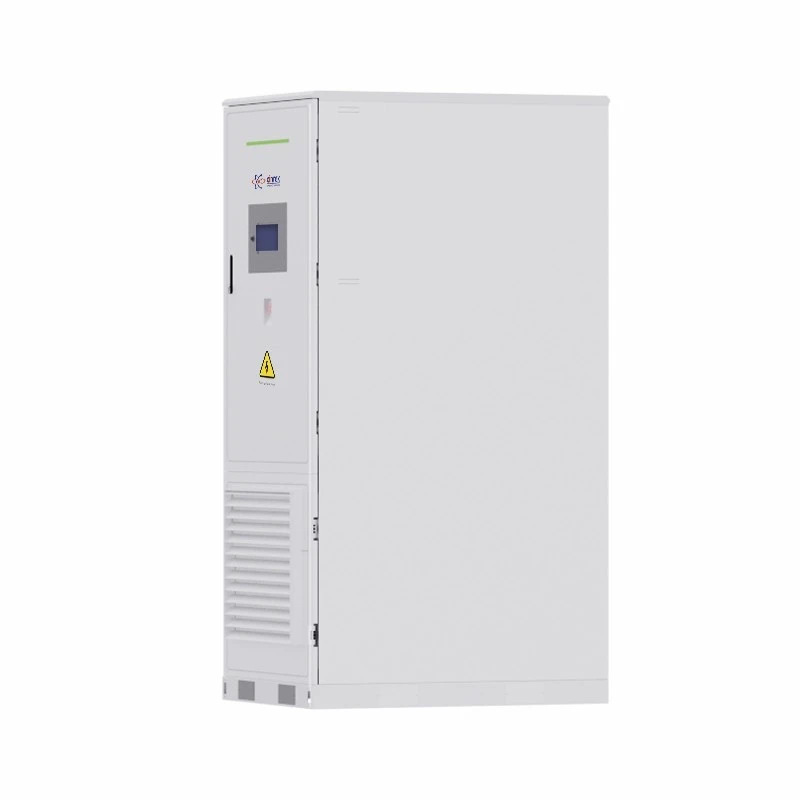
By storing and releasing energy at the right times, our energy storage systems can smooth out the fluctuations in the grid caused by non - linear loads. They can also provide ancillary services to the grid, such as frequency regulation and voltage support. These services are crucial for maintaining the stability and reliability of the grid, especially in the presence of harmonic distortion.
Future Developments and Innovations
As the demand for clean and reliable energy continues to grow, we are constantly researching and developing new technologies to further improve the performance of our Container Energy Storage Systems in handling harmonic distortion. For example, we are exploring the use of artificial intelligence (AI) and machine learning algorithms in the PCS and BMS. These advanced technologies can analyze large amounts of data in real - time and make more accurate predictions about harmonic conditions.
We are also looking into the development of more efficient and compact filter designs. New materials and manufacturing techniques may enable us to create filters with higher performance and lower cost. In addition, we are working on improving the communication and coordination between different components of the energy storage system to enhance the overall harmonic mitigation capabilities.
Conclusion and Call to Action
In conclusion, our Container Energy Storage Systems are equipped with a range of advanced technologies to effectively handle harmonic distortion. From sophisticated PCS with active harmonic compensation to high - performance filters and intelligent BMS, these systems provide a comprehensive solution for maintaining power quality and stability.
If you are facing harmonic distortion issues in your electrical system or are looking for a reliable energy storage solution, we invite you to explore our product range. Our 261KWH Outdoor Cabinet offers high - capacity energy storage for outdoor applications, while the Indoor Energy Storage Battery Cabinet is perfect for indoor use. The 200kWH Battery Energy Storage system provides a balance between capacity and flexibility.
Contact us today to discuss your specific requirements and start a procurement negotiation. Our team of experts is ready to assist you in finding the best Container Energy Storage System for your needs.
References
- "Power Quality in Electrical Systems" by E. F. Fuchs and M. A. M. Mansour
- "Energy Storage Systems: Technologies and Applications" by S. S. Choi and B. T. Ooi
- Technical reports from leading energy storage system manufacturers and research institutions.