

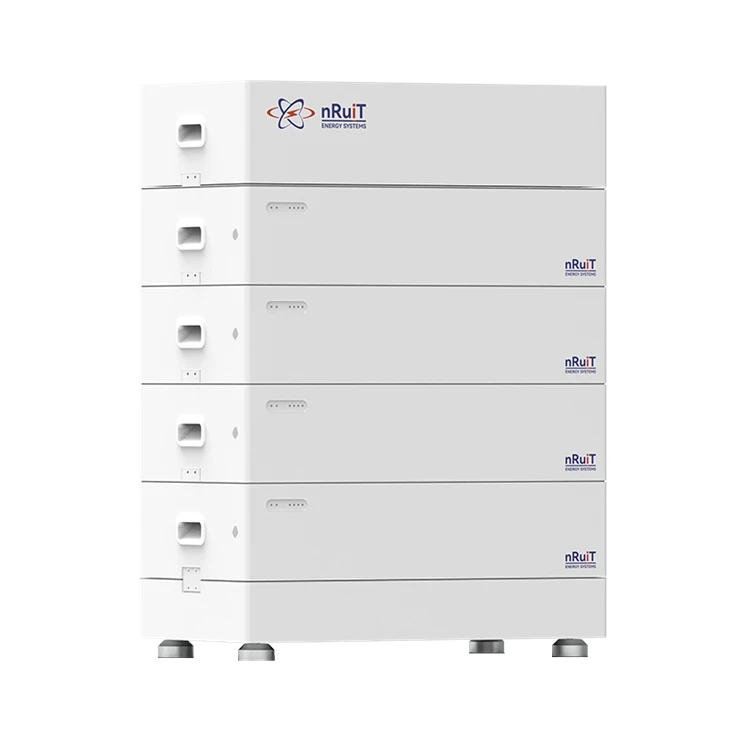
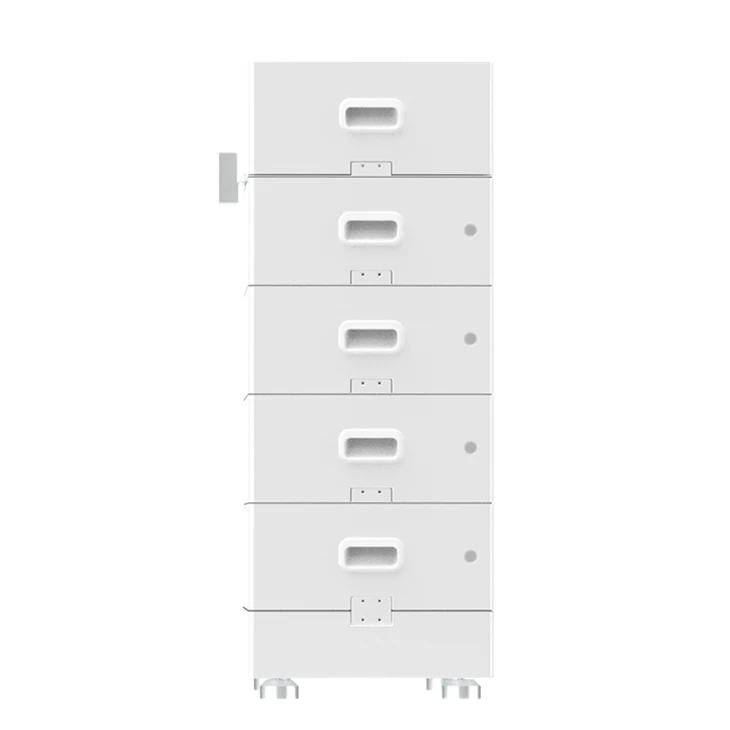
How do I install a home energy storage solar stacked battery?
Nov 13, 2025
Leave a message
As a provider of Home Energy Storage Solar Stacked Batteries, I often receive inquiries about the installation process. Installing a home energy storage solar stacked battery can significantly enhance your energy independence and reduce electricity costs. In this blog, I'll guide you through the step - by - step process of installing such a battery system.
Step 1: Assess Your Energy Needs
Before purchasing and installing a home energy storage solar stacked battery, it's crucial to evaluate your energy consumption. Look at your past electricity bills to determine your average daily and monthly usage. Consider your future energy needs as well, such as if you plan to add more electrical appliances or an electric vehicle charger. This assessment will help you choose the right capacity of the battery. For example, if you have a small household with relatively low energy consumption, a 51.2V 100AH Stacked Lithium Battery might be sufficient. However, for larger households or those with high - energy appliances like air conditioners and electric heaters, a 30KWH Stacked Lithium Battery could be a better choice.
Step 2: Choose the Right Location
Selecting an appropriate location for your home energy storage solar stacked battery is essential. The location should meet the following criteria:
- Ventilation: Ensure good ventilation to prevent the build - up of heat and gases. Batteries can generate heat during charging and discharging, and proper ventilation helps dissipate this heat.
- Temperature: The ideal temperature range for most lithium - ion batteries is between 20°C and 30°C. Avoid placing the battery in areas that are too hot or too cold, such as direct sunlight or unheated basements.
- Accessibility: The battery should be easily accessible for maintenance and inspection. You'll need to check the battery's status, connections, and perform any necessary repairs or replacements over time.
- Safety: Keep the battery away from flammable materials and sources of ignition. Also, make sure the location is protected from water and moisture.
Step 3: Prepare the Installation Site
Once you've chosen the location, prepare the site for installation.
- Clean the Area: Remove any debris, dust, or dirt from the installation area. A clean surface ensures a stable and secure installation.
- Level the Surface: The surface where the battery will be placed should be level. An uneven surface can cause stress on the battery and its components, potentially leading to damage.
- Install Mounting Brackets: If your battery requires mounting brackets, install them according to the manufacturer's instructions. Make sure the brackets are securely attached to the wall or floor.
Step 4: Unpack and Inspect the Battery
Carefully unpack the home energy storage solar stacked battery and inspect it for any visible damage. Check for cracks, dents, or loose connections. If you notice any damage, contact the manufacturer or your supplier immediately. Also, review the user manual and installation guide that come with the battery. Familiarize yourself with the battery's features, specifications, and safety instructions.
Step 5: Connect the Battery to the Solar System
The connection between the battery and the solar system is a critical step.
- Understand the Wiring Diagram: Refer to the wiring diagram provided by the manufacturer. The diagram will show you how to connect the battery to the solar panels, charge controller, and inverter.
- Connect the Charge Controller: The charge controller regulates the flow of electricity from the solar panels to the battery. Connect the positive and negative terminals of the charge controller to the corresponding terminals of the battery. Make sure the connections are tight and secure to prevent electrical arcing.
- Connect the Inverter: The inverter converts the DC (direct current) power stored in the battery into AC (alternating current) power that can be used in your home. Connect the inverter to the battery following the wiring diagram.
Step 6: Connect the Battery to the Electrical Panel
After connecting the battery to the solar system, you need to connect it to your home's electrical panel.
- Turn Off the Power: Before making any electrical connections, turn off the main power switch in your electrical panel to avoid electric shock.
- Install a Transfer Switch: A transfer switch allows you to switch between grid power and battery power. Install the transfer switch according to the manufacturer's instructions. Connect the transfer switch to the battery, the electrical panel, and the grid.
- Connect the Battery to the Electrical Panel: Use appropriate electrical cables to connect the battery to the electrical panel through the transfer switch. Make sure all connections are properly insulated to prevent short circuits.
Step 7: Test the System
Once all the connections are made, it's time to test the system.
- Turn On the Power: Slowly turn on the main power switch in the electrical panel. Check the battery's status indicator to see if it's charging or discharging properly.
- Monitor the System: Use the monitoring system provided by the battery manufacturer to monitor the battery's performance. Check the voltage, current, and state of charge. Make sure the solar panels are charging the battery and that the inverter is converting the power correctly.
- Check for Any Issues: Look for any signs of problems, such as abnormal noises, overheating, or error messages on the monitoring system. If you encounter any issues, refer to the troubleshooting section of the user manual or contact a professional technician.
Step 8: Regular Maintenance
To ensure the long - term performance and safety of your home energy storage solar stacked battery, regular maintenance is necessary.
- Inspect the Connections: Periodically check the electrical connections for tightness and signs of corrosion. Loose connections can cause power loss and overheating, while corrosion can damage the battery and its components.
- Check the Battery's State of Charge: Monitor the battery's state of charge regularly. Avoid overcharging or deep - discharging the battery, as these can shorten its lifespan.
- Clean the Battery: Keep the battery clean by wiping it with a dry cloth. Avoid using abrasive materials or harsh chemicals that could damage the battery's surface.
Installing a home energy storage solar stacked battery is a complex but rewarding process. By following these steps and adhering to the manufacturer's instructions, you can successfully install a battery system that provides reliable and sustainable energy for your home.
If you're interested in purchasing a Home Energy Storage Solar Stacked Battery or have any questions about the installation process, feel free to contact us. We're here to assist you in making the right choice for your energy needs and ensuring a smooth installation.
References
- Manufacturer's User Manuals and Installation Guides for Home Energy Storage Solar Stacked Batteries
- Industry Standards and Best Practices for Solar Energy Storage Systems
- Technical Papers on Lithium - Ion Battery Installation and Maintenance