

How do I calibrate a server rack lithium battery?
Mar 16, 2026
Leave a message
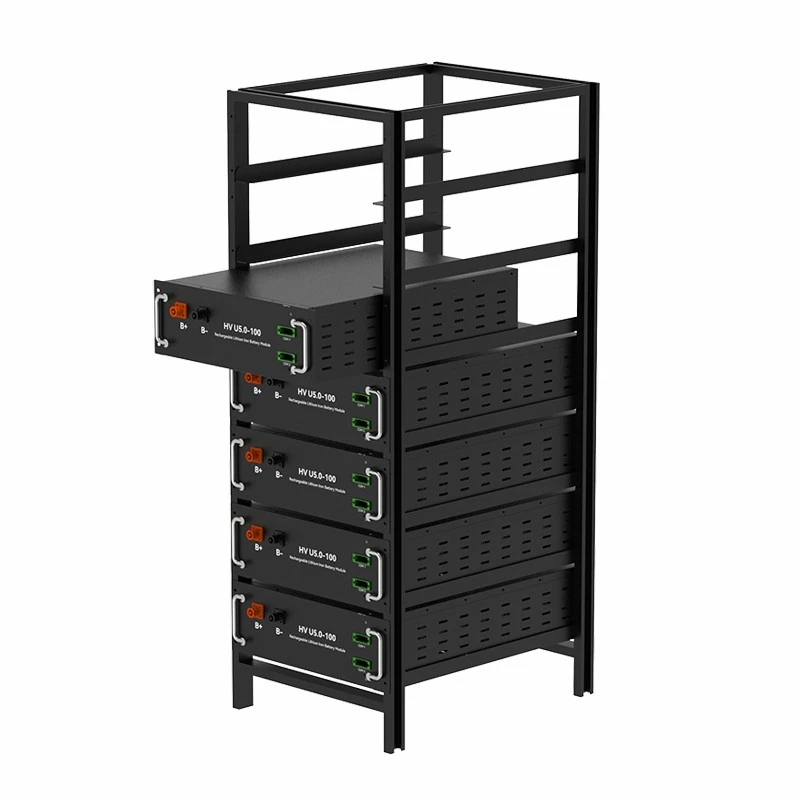
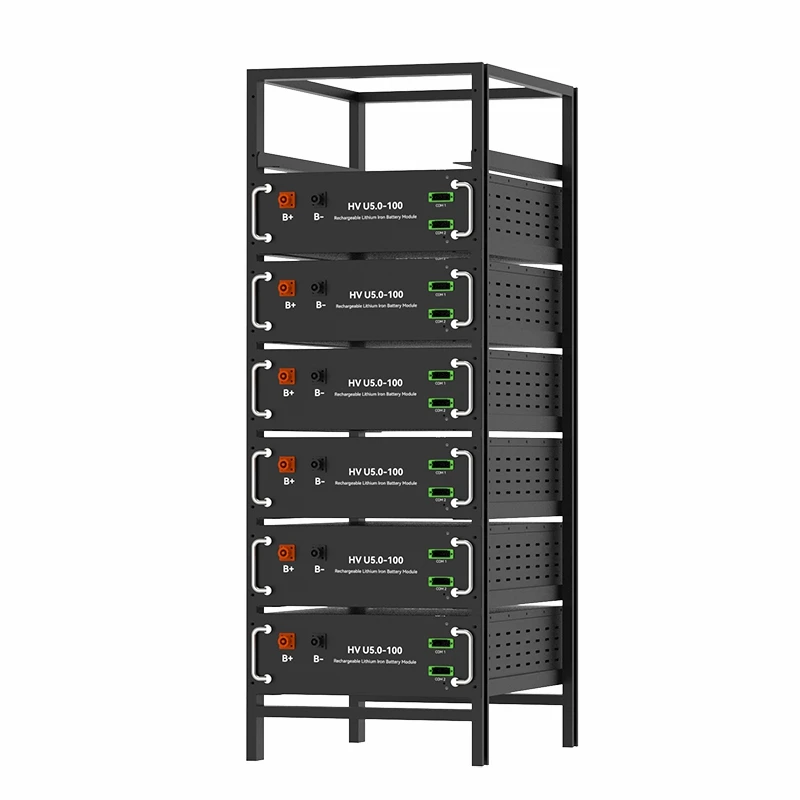
As a supplier of Server Rack Lithium Battery, I understand the critical role that proper calibration plays in ensuring the optimal performance and longevity of these power storage solutions. In this blog post, I'll share a comprehensive guide on how to calibrate a server rack lithium battery, explaining the importance of calibration, the steps involved, and some best practices to follow.
Why Calibration is Necessary
Server rack lithium batteries, such as the Server Rack Lithium Iron Phosphate Battery and 51.2V LiFePO₄ Rack Battery, are designed to provide reliable power backup for servers. Over time, however, factors like temperature fluctuations, charge-discharge cycles, and aging can cause the battery's internal chemistry to change. This can lead to inaccurate readings of the battery's state of charge (SOC) and state of health (SOH), potentially resulting in premature system shutdowns or inefficient use of battery capacity.
Calibration helps to correct these inaccuracies by synchronizing the battery management system (BMS) with the actual chemical state of the battery cells. By performing regular calibration, you can ensure that the BMS accurately reports the SOC and SOH, allowing for better management of the battery's charge and discharge cycles and extending its overall lifespan.
Pre - Calibration Preparations
Before you begin the calibration process, it's essential to take some preparatory steps:
- Safety First: Always wear appropriate personal protective equipment (PPE), such as safety glasses and gloves, when working with lithium batteries. These batteries can be dangerous if mishandled, so it's crucial to follow all safety guidelines provided by the manufacturer.
- Check the Battery: Inspect the Server Rack Lithium Battery for any signs of physical damage, such as cracks, leaks, or bulges. If you notice any damage, do not attempt to calibrate the battery. Instead, contact the manufacturer or a qualified technician for further guidance.
- Understand the BMS: Familiarize yourself with the battery management system of the server rack lithium battery. Different BMS models may have different calibration procedures and requirements. Refer to the manufacturer's documentation for detailed information on your specific BMS.
- Prepare the Charging Equipment: Ensure that you have a compatible and properly functioning charger. The charger should be capable of providing the correct voltage and current for the battery. Make sure the charger is connected to a stable power source.
The Calibration Process
The calibration process typically involves the following steps:
- Fully Discharge the Battery: Start by discharging the battery to a low state of charge. This can be achieved by connecting a load to the battery and allowing it to drain until it reaches a predefined low - voltage cutoff point. The exact cutoff voltage will depend on the battery chemistry and the manufacturer's recommendations. For lithium iron phosphate (LiFePO₄) batteries, the typical low - voltage cutoff is around 2.5 - 2.7V per cell.
- Rest the Battery: After fully discharging the battery, allow it to rest for a few hours. This resting period allows the internal chemistry of the battery to stabilize and helps to ensure more accurate calibration results.
- Fully Charge the Battery: Connect the charger to the battery and initiate a full charge cycle. The charging process should be carried out at a constant current until the battery reaches a specific voltage, followed by a constant - voltage charging phase until the charging current drops to a predefined level. For LiFePO₄ batteries, the typical charging voltage is around 3.6 - 3.65V per cell.
- Monitor the Charging Process: Keep a close eye on the battery's voltage, current, and temperature during the charging process. If you notice any abnormal readings, such as overheating or excessive voltage fluctuations, stop the charging process immediately and investigate the cause.
- Complete the Calibration in the BMS: Once the battery is fully charged, follow the manufacturer's instructions to complete the calibration process in the BMS. This may involve entering specific commands or settings into the BMS to update the SOC and SOH parameters based on the actual charge and discharge data.
Best Practices for Calibration
To ensure the effectiveness of the calibration process and the long - term performance of the server rack lithium battery, consider the following best practices:
- Calibrate Regularly: It's recommended to calibrate the battery at least once every six months or as specified by the manufacturer. This helps to maintain accurate SOC and SOH readings and ensures optimal battery performance.
- Control the Environment: Perform the calibration process in a controlled environment with a stable temperature and humidity level. Extreme temperatures can affect the battery's performance and calibration results. The ideal temperature range for lithium battery calibration is typically between 20°C and 25°C (68°F - 77°F).
- Use Quality Equipment: Always use high - quality chargers, load banks, and monitoring devices. Inferior equipment may not provide accurate readings or may cause damage to the battery.
- Keep Records: Maintain detailed records of each calibration process, including the date, time, charge and discharge parameters, and any abnormal readings. These records can be useful for troubleshooting and tracking the battery's performance over time.
Contact for Purchase and Further Consultation
If you're in the market for high - quality Server Rack Lithium Battery, we're here to help. Our products are designed to provide reliable power backup for your server racks, with advanced battery management systems and high - performance lithium iron phosphate cells. Whether you're looking for a Server Rack Lithium Iron Phosphate Battery or a 51.2V LiFePO₄ Rack Battery, we have the right solution for your needs.
If you have any questions about our products, the calibration process, or would like to discuss a potential purchase, please don't hesitate to reach out. We're committed to providing excellent customer service and technical support to ensure that you get the most out of your server rack lithium battery.
References
- Battery University. "Lithium - Ion Basics."
- Manufacturer's documentation for Server Rack Lithium Battery.