

Can a power wall battery be used in combination with other renewable energy sources?
Mar 12, 2026
Leave a message
In an era where the pursuit of sustainable energy solutions has become more urgent than ever, the integration of power wall batteries with other renewable energy sources stands out as a promising strategy. As a dedicated power wall battery supplier, I have witnessed firsthand the transformative potential of this combination. This blog post aims to explore the feasibility, benefits, and challenges of using a power wall battery in conjunction with other renewable energy sources.
The Rise of Renewable Energy and the Need for Energy Storage
Renewable energy sources such as solar, wind, and hydroelectric power have experienced remarkable growth in recent years. The declining costs of solar panels and wind turbines, coupled with government incentives and increasing environmental awareness, have made these sources more accessible and attractive to consumers and businesses alike. However, one of the main challenges associated with renewable energy is its intermittent nature. Solar power generation depends on sunlight, which is not available at night or during cloudy days, while wind power is subject to fluctuations in wind speed and direction. This intermittency can lead to imbalances between energy supply and demand, making it difficult to rely solely on renewable energy sources for a consistent power supply.
This is where power wall batteries come into play. A power wall battery is a rechargeable energy storage system that can store excess energy generated by renewable sources during periods of high production and release it when the production is low or the demand is high. By storing energy, power wall batteries can help to smooth out the fluctuations in renewable energy generation, making it more reliable and stable. This not only enhances the efficiency of renewable energy systems but also reduces the need for backup power from traditional fossil fuel-based sources.
Complementary Nature of Power Wall Batteries and Renewable Energy Sources
Solar Power and Power Wall Batteries
Solar power is one of the most widely used renewable energy sources, and it pairs exceptionally well with power wall batteries. During the day, when the sun is shining brightly, solar panels can generate more electricity than is immediately needed by a household or business. This excess energy can be stored in a power wall battery for later use. For example, in the evening, when the solar panels are no longer producing electricity, the stored energy in the battery can be used to power lights, appliances, and other electrical devices. This enables users to maximize their self - consumption of solar energy, reducing their reliance on the grid and lowering their electricity bills.
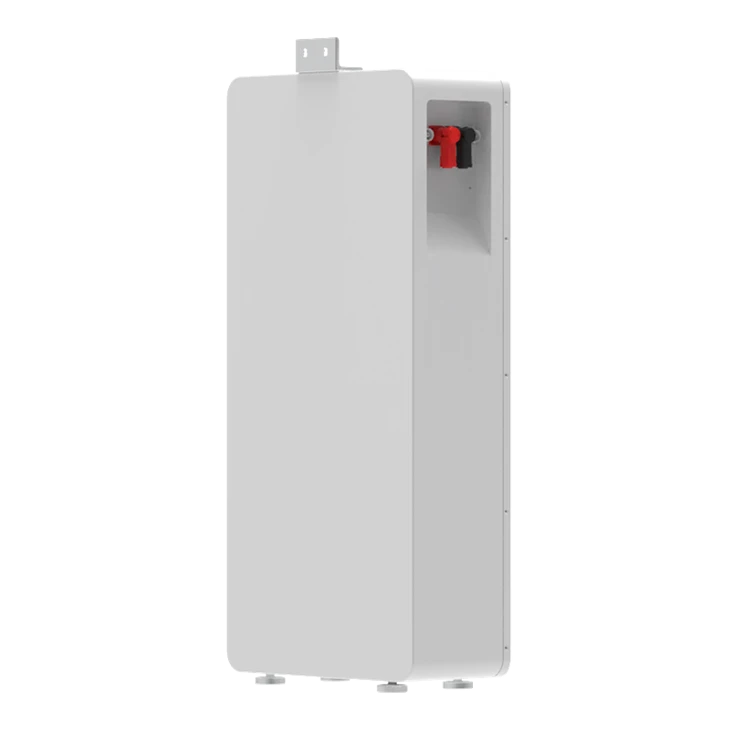
Our 15KWH Household Energy Storage Battery is an ideal choice for solar power systems. With its large capacity, it can store a significant amount of solar energy, providing a reliable power supply during periods of low sunlight.

Wind Power and Power Wall Batteries
Wind power is another important renewable energy source, and power wall batteries can also play a crucial role in its integration. Wind turbines generate electricity when the wind blows, but the wind speed can vary greatly throughout the day. When the wind is strong, the turbines may produce more electricity than is required, and this excess energy can be stored in a power wall battery. Conversely, when the wind is weak or calm, the stored energy in the battery can be used to maintain a continuous power supply.
Our Wall Mounted LFP Battery is well - suited for wind power applications. Its compact design and high - performance lithium - iron - phosphate (LFP) chemistry make it a reliable and efficient energy storage solution for wind power systems.
Benefits of Combining Power Wall Batteries with Renewable Energy Sources
Energy Independence
By using a power wall battery in combination with renewable energy sources, households and businesses can achieve a higher degree of energy independence. They are less reliant on the grid for their power needs, which can be especially beneficial in areas with unreliable grid infrastructure or during power outages. In the event of a blackout, the stored energy in the power wall battery can keep essential appliances running, providing a sense of security and comfort.
Cost Savings
Combining power wall batteries with renewable energy sources can lead to significant cost savings in the long run. By storing excess renewable energy and using it during peak demand periods, users can avoid purchasing electricity from the grid at higher rates. Additionally, some governments offer incentives and subsidies for the installation of renewable energy systems and energy storage devices, further reducing the upfront costs.
Environmental Benefits
The integration of power wall batteries and renewable energy sources contributes to a cleaner and more sustainable environment. By reducing the reliance on fossil fuels for electricity generation, it helps to lower greenhouse gas emissions and mitigate the effects of climate change. This is in line with global efforts to transition towards a low - carbon economy.
Challenges and Considerations
High Initial Costs
One of the main challenges of using power wall batteries in combination with renewable energy sources is the high initial investment. The cost of purchasing and installing a power wall battery, along with the associated renewable energy system, can be substantial. However, as technology advances and economies of scale are achieved, the costs of these systems are expected to decrease over time.
Battery Lifespan and Performance
The lifespan and performance of power wall batteries are also important considerations. Batteries degrade over time, and their capacity to store energy decreases. It is essential to choose high - quality batteries with a long lifespan and to properly maintain them to ensure optimal performance. Our 51.2V 280AH Lithium Iron Phosphate Battery is known for its long cycle life and stable performance, providing a reliable energy storage solution.
System Integration and Compatibility
Integrating a power wall battery with other renewable energy sources requires careful planning and consideration of system compatibility. The battery must be able to communicate effectively with the renewable energy generation system and the grid to ensure seamless operation. Professional installation and system design are often necessary to ensure that all components work together efficiently.
Conclusion
In conclusion, the combination of power wall batteries with other renewable energy sources offers a viable and sustainable solution to the challenges of intermittent renewable energy generation. It provides numerous benefits, including energy independence, cost savings, and environmental protection. While there are some challenges to overcome, such as high initial costs and battery performance issues, the long - term advantages make it a worthwhile investment.
As a power wall battery supplier, we are committed to providing high - quality, reliable energy storage solutions that can be seamlessly integrated with renewable energy systems. If you are interested in exploring the possibilities of using a power wall battery in combination with other renewable energy sources, we invite you to contact us for further information and to discuss your specific needs. Our team of experts is ready to assist you in finding the best solution for your energy requirements.
References
- Jacobson, M. Z., & Delucchi, M. A. (2009). A path to sustainable energy by 2030. Scientific American, 301(5), 58 - 65.
- Lund, H., Mathiesen, B. V., Connolly, D., & Möllerström, B. (2015). Smart energy systems for coherent 100% renewable energy and transport solutions. Energy, 91, 174 - 182.
- IEA. (2021). World Energy Outlook 2021. International Energy Agency.