

Can a lithium rack battery be connected in series?
Nov 25, 2025
Leave a message
Hey there! As a supplier of lithium rack batteries, I often get asked a bunch of questions about these power - packed units. One of the most common queries is, "Can a lithium rack battery be connected in series?" Let's dig deep into this topic.
First off, let's understand what connecting batteries in series means. When you connect batteries in series, you're essentially linking the positive terminal of one battery to the negative terminal of another. The main result of this connection is that the voltage of the battery bank increases, while the amp - hour (Ah) rating remains the same. For example, if you have two 12V, 100Ah lithium rack batteries and connect them in series, you'll end up with a 24V, 100Ah battery bank.
Now, the answer to whether a lithium rack battery can be connected in series is a resounding yes. Lithium rack batteries are designed to be connected in series, and there are several good reasons for doing so.
Advantages of Connecting Lithium Rack Batteries in Series
Higher Voltage Output
One of the biggest advantages is achieving a higher voltage output. In many applications, such as large - scale solar power systems or industrial equipment, higher voltages are required to operate efficiently. By connecting lithium rack batteries in series, you can easily meet these voltage requirements. For instance, if your equipment needs a 48V power supply, you can connect four 12V lithium rack batteries in series.
Improved Power Delivery
Higher voltage means better power delivery. When you increase the voltage, the current required to deliver the same amount of power decreases. This is beneficial because lower current means less energy loss in the wiring, resulting in a more efficient system.

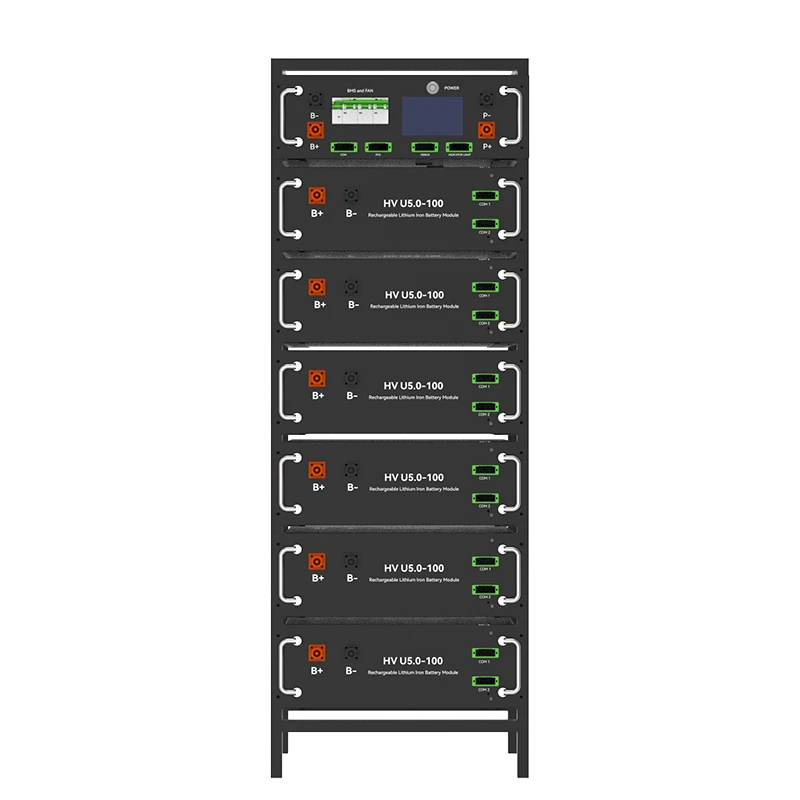
Compatibility with High - Voltage Equipment
Many modern devices and systems are designed to work with high - voltage power sources. Connecting lithium rack batteries in series allows you to make your battery bank compatible with these high - voltage devices.
How to Connect Lithium Rack Batteries in Series
Connecting lithium rack batteries in series is a relatively straightforward process, but it's crucial to follow the right steps to ensure safety and optimal performance.
- Check the Batteries: Before you start connecting the batteries, make sure they are all of the same type, capacity, and state of charge. Using batteries with different specifications can lead to uneven charging and discharging, which can damage the batteries over time.
- Gather the Right Tools: You'll need appropriate cables and connectors to make the connections. Make sure the cables are rated for the voltage and current of your battery bank.
- Connect the Batteries: Connect the positive terminal of the first battery to the negative terminal of the second battery. Then, connect the positive terminal of the second battery to the negative terminal of the third battery, and so on. Keep doing this until all the batteries are connected in series.
- Inspect the Connections: Once you've made the connections, double - check them to ensure they are secure. Loose connections can cause arcing, which is a serious safety hazard.
Precautions When Connecting Lithium Rack Batteries in Series
While connecting lithium rack batteries in series is a great way to increase voltage, there are some precautions you need to take.
Balancing
Lithium batteries require proper balancing to ensure that all the cells in the battery bank are charged and discharged evenly. When connecting batteries in series, it's important to use a battery management system (BMS) that can monitor and balance the individual cells. A good BMS will prevent over - charging and over - discharging of individual cells, which can extend the lifespan of your battery bank.
Safety
Safety should always be your top priority when working with batteries. Make sure you wear appropriate protective gear, such as gloves and safety glasses. Also, keep the batteries away from heat sources and flammable materials.
Applications of Series - Connected Lithium Rack Batteries
Solar Power Systems
In solar power systems, series - connected lithium rack batteries are commonly used to store the energy generated by solar panels. By connecting the batteries in series, you can increase the voltage of the battery bank, which is more suitable for inverters and other components in the system. You can check out our 5KWH Rack Mount Lithium Battery for a suitable option for solar applications.
Uninterruptible Power Supplies (UPS)
UPS systems are used to provide backup power in case of a power outage. Series - connected lithium rack batteries can be used to increase the voltage and capacity of the UPS, ensuring that it can provide enough power to keep your critical equipment running for an extended period. You can learn more about our Server Rack Lithium Iron Phosphate Battery, which is ideal for UPS applications.
Electric Vehicles
In electric vehicles, series - connected lithium rack batteries are used to power the motor. By connecting multiple batteries in series, the vehicle can achieve the high voltage required for efficient operation. Our 51.2V LiFePO₄ Rack Battery is a great choice for electric vehicle applications.
Conclusion
In conclusion, connecting lithium rack batteries in series is not only possible but also highly beneficial. It allows you to achieve higher voltage outputs, improve power delivery, and make your battery bank compatible with a wide range of applications. However, it's important to follow the proper procedures and take the necessary precautions to ensure the safety and longevity of your battery bank.
If you're interested in purchasing lithium rack batteries for your project or application, we're here to help. We offer a wide range of high - quality lithium rack batteries that are suitable for various uses. Whether you need a single battery or a complete battery bank, we can provide you with the right solution. Feel free to reach out to us to discuss your requirements and start a procurement negotiation.
References
- Battery University: A comprehensive resource for battery - related information.
- Industry standards and guidelines for lithium battery installations.