

Can a home energy storage solar stacked battery be used in a basement?
Jan 14, 2026
Leave a message
Hey there! As a supplier of Home Energy Storage Solar Stacked Battery, I often get asked a bunch of questions about these nifty devices. One query that pops up quite a bit is, "Can a home energy storage solar stacked battery be used in a basement?" Well, let's dive deep into this topic and find out.
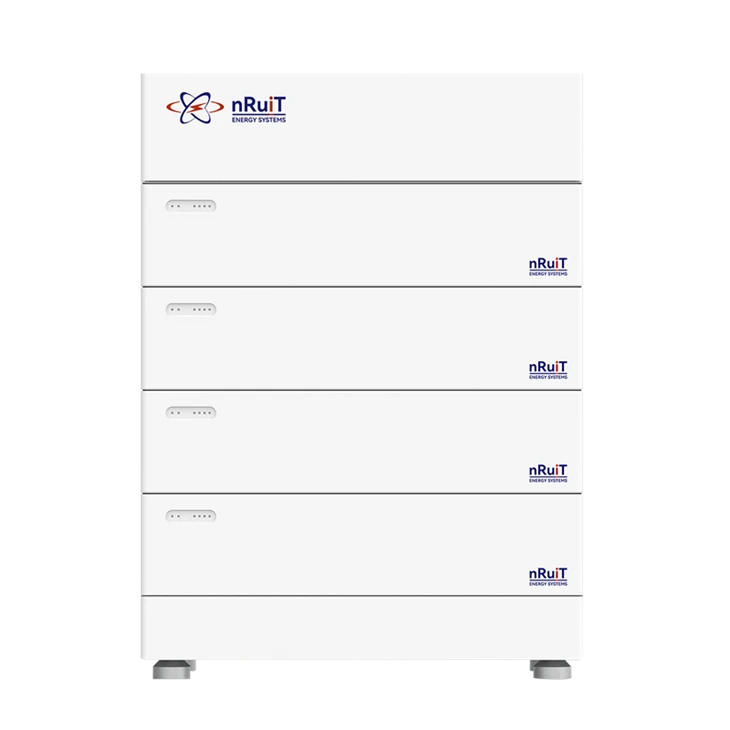
First off, let me give you a quick rundown of what a Home Energy Storage Solar Stacked Battery is. These batteries are designed to store the energy generated by your solar panels. They're stackable, which means you can increase your storage capacity as needed. It's like building blocks, but for energy storage!
Now, back to the main question: using these batteries in a basement. There are a few factors we need to consider before we can say yes or no.
Temperature and Ventilation
One of the most crucial aspects of battery performance is temperature. Batteries, especially lithium - ion ones, are sensitive to extreme temperatures. If it's too hot, the battery can degrade faster, and if it's too cold, its performance can drop significantly.
Basements can vary widely in temperature. In some areas, basements tend to be cooler, which can be a good thing for battery life. Lithium - ion batteries generally perform best in temperatures between 20 - 25°C (68 - 77°F). However, if your basement gets really cold in the winter or extremely hot in the summer, you might run into problems.
Ventilation is also key. Batteries can produce some heat during charging and discharging. Without proper ventilation, this heat can build up, leading to overheating. In a basement, you need to ensure there's enough airflow. You might need to install fans or vents to keep the air circulating. If the basement is damp or has poor air quality, it could also affect the battery's components over time.
Safety
Another major concern when using batteries in a basement is safety. Lithium - ion batteries, like the 51.2V 100AH Stacked Lithium Battery and 30KWH Stacked Lithium Battery we offer, are generally very safe. But in rare cases, they can pose risks such as thermal runaway.
Thermal runaway is a situation where the battery overheats uncontrollably, which can lead to fire or explosion. While modern batteries have safety features to prevent this, it's still important to take precautions. A basement should have a fire - resistant area to store the batteries. You might also want to install a fire alarm and a carbon monoxide detector near the battery storage area.

Humidity
Basements are often more humid than other parts of the house. High humidity can cause corrosion on the battery terminals and other components. This can lead to poor performance and even damage the battery over time. To combat this, you can use a dehumidifier in the basement. Make sure to keep the humidity levels between 40 - 60% for optimal battery operation.
Installation and Setup
Installing a home energy storage solar stacked battery in a basement requires careful planning. You need to make sure the floor can support the weight of the batteries. These batteries can be quite heavy, especially when stacked. You'll also need to run the necessary wiring from the solar panels and the electrical system to the basement.
It's a good idea to have a professional electrician handle the installation. They can ensure that everything is wired correctly and up to code. This not only ensures the safety of the installation but also maximizes the battery's performance.
The Benefits of Using a Basement
Despite the challenges, there are some benefits to using a basement for battery storage. For one, it's usually out of the way. You won't have to worry about the batteries taking up space in your living areas. Also, basements can offer some protection from the elements. They're less likely to be affected by direct sunlight or extreme weather conditions compared to an outdoor installation.
Additionally, if your basement has a stable temperature and good ventilation, it can provide an ideal environment for the batteries. The cooler temperatures can help extend the battery's lifespan, and proper ventilation can keep the battery operating efficiently.
Conclusion
So, can a home energy storage solar stacked battery be used in a basement? The answer is yes, but with some caveats. You need to carefully assess the temperature, ventilation, humidity, and safety conditions in your basement. If you can address these factors, a basement can be a great place to store your batteries.
If you're considering using a basement for battery storage and have any questions, feel free to reach out. We're here to help you make the best decision for your home energy needs. Whether you're interested in the 51.2V 100AH Stacked Lithium Battery or the 30KWH Stacked Lithium Battery, we can provide all the information you need. Contact us to start a conversation about purchasing and setting up your home energy storage system.
References
- "Battery Temperature and Performance," Battery University.
- "Lithium - Ion Battery Safety Guidelines," National Fire Protection Association.
- "Humidity and Its Effects on Electronic Devices," IEEE Journal of Electronic Components.