

Are there any limitations to using a home energy storage solar stacked battery?
Jan 01, 2026
Leave a message
Hey there folks! As a supplier of Home Energy Storage Solar Stacked Batteries, I've been in the thick of the renewable energy game for quite some time now. I get a ton of questions from customers about these batteries, especially about their limitations. So, let's dig into it and see what we're really dealing with when using a home energy storage solar stacked battery.
How Home Energy Storage Solar Stacked Batteries Work
First off, let's quickly go over how these things work. A solar stacked battery system allows you to store excess energy generated by your solar panels. During the day, when the sun is shining bright, your solar panels produce more electricity than you might need at that moment. Instead of letting that energy go to waste, it gets stored in these batteries. Then, when it's dark outside or when your solar panels aren't producing enough energy, you can use the stored energy in the batteries to power your home.
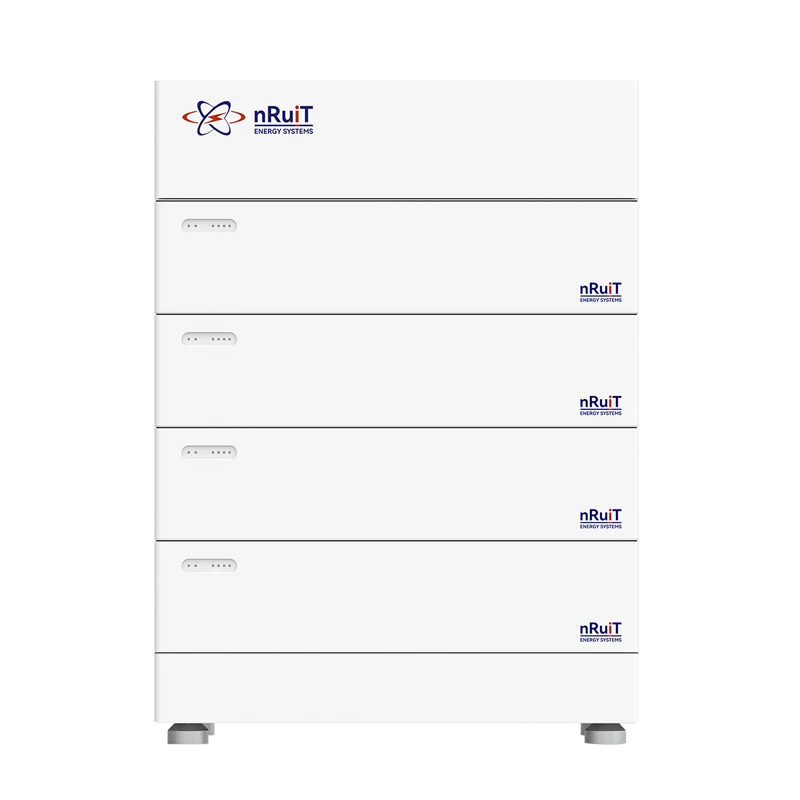
These batteries are often modular, which means you can stack them together to increase your storage capacity. For example, if you start with a small setup and then realize you need more storage later, you can simply add another battery to the stack. It's a pretty flexible and scalable solution for home energy storage. You can check out our 30KWH Stacked Lithium Battery or 51.2V 100AH Stacked Lithium Battery to see some of the options we have available.
Limitations of Home Energy Storage Solar Stacked Batteries
1. Upfront Cost
One of the biggest limitations that comes to mind is the upfront cost. Home energy storage systems, especially solar stacked batteries, can be pretty expensive to purchase and install. You're not just paying for the batteries themselves; there are also costs associated with the installation, such as wiring, inverters, and any necessary permits.
Higher quality batteries, like the lithium - ion ones we offer in our Home Energy Storage Solar Stacked Battery lineup, tend to be pricier. However, they also have longer lifespans and better performance compared to cheaper alternatives. Still, for many homeowners, the initial investment can be a real barrier.
2. Storage Capacity
Another limitation is storage capacity. Even though stacking the batteries allows you to increase the capacity, there's still a limit to how much energy you can store. If you have a large home with high energy demands, or if you live in an area with long periods of cloudy weather, you might find that your battery system runs out of power before you can recharge it.
For instance, if you're running a lot of energy - hungry appliances like air conditioners, electric heaters, or large - screen TVs all at once, your stored energy can get depleted quickly. You need to carefully calculate your energy needs and choose the right number and type of batteries for your home.
3. Battery Degradation
Battery degradation is a real issue. Over time, the performance of your batteries will decline. This is because every time you charge and discharge a battery, it undergoes chemical reactions that can wear down the battery cells. The rate of degradation depends on a few factors like the type of battery, how often you use it, and the environmental conditions.
Lithium - ion batteries, which are commonly used in home energy storage systems, generally have a better lifespan compared to other types. But even they will eventually lose their ability to hold a full charge. You might start to notice that your battery doesn't last as long as it used to after a few years of use.
4. Environmental Conditions
The performance of home energy storage solar stacked batteries can be affected by environmental conditions. Extreme temperatures, whether it's very hot or very cold, can have a negative impact on battery efficiency. In hot weather, the battery can overheat, which can lead to faster degradation and reduced capacity. On the other hand, in cold weather, the chemical reactions inside the battery slow down, and the battery may not be able to deliver as much power as it normally would.
If you live in an area with extreme temperature variations, you might need to invest in additional equipment like battery thermal management systems to keep the batteries at an optimal temperature.
5. Compatibility
Compatibility can be a bit of a headache. Your solar stacked battery system needs to be compatible with your existing solar panels, inverters, and other components of your home energy system. If the components aren't compatible, you might not be able to get the most out of your battery system, or it might not work at all.
It's important to work with a professional installer who can ensure that all the components are properly matched. This can add to the overall cost and complexity of the installation process.
Overcoming the Limitations
Now, the good news is that there are ways to overcome these limitations.
Cost - Savings in the Long Run
While the upfront cost is high, in the long run, a home energy storage solar stacked battery can save you money. You'll be using less electricity from the grid, which means lower energy bills. And in some areas, you might even be eligible for government incentives or rebates for installing a renewable energy storage system.
Optimizing Storage Capacity
To optimize storage capacity, you can do an energy audit of your home to understand your energy usage patterns. This will help you determine the right size and number of batteries for your needs. You can also consider using energy - efficient appliances to reduce your overall energy consumption.
Managing Battery Degradation
To manage battery degradation, follow the manufacturer's recommendations for charging and discharging the batteries. Avoid overcharging or deep - discharging the batteries, as this can accelerate the degradation process. Regular maintenance and monitoring of the battery system can also help you catch any issues early on.
Dealing with Environmental Conditions
If you live in an area with extreme temperatures, as I mentioned earlier, you can invest in a battery thermal management system. This will help keep the batteries at a stable temperature, which can improve their performance and lifespan.
Ensuring Compatibility
Work with a reputable installer who has experience with home energy storage systems. They can help you choose the right components that are compatible with each other and ensure a smooth installation process.

Conclusion
So, to sum it up, there are definitely some limitations to using a home energy storage solar stacked battery. But these limitations shouldn't scare you away. With proper planning, installation, and maintenance, you can overcome these challenges and enjoy the benefits of having a reliable home energy storage system.
If you're interested in learning more about our Home Energy Storage Solar Stacked Battery products or have any questions about the limitations we've discussed, don't hesitate to reach out. We're here to help you make the best decision for your home energy needs. Let's start a conversation about how we can customize a solution for you.
References
- Smith, J. (2022). "The Future of Home Energy Storage". Renewable Energy Journal.
- Brown, A. (2021). "Battery Technologies for Residential Use". Energy Storage Review.