


Features Of Lithium Batteries
Aug 01, 2025
Leave a message
1. The energy is relatively high. It has a high storage energy density, which has reached 460-600Wh/kg, which is about 6-7 times that of lead-acid batteries;
2. Long service life, service life can reach more than 6 years, lithium ferrous phosphate is the positive battery 1C (100% DOD) charging and discharging, there is a record of 10,000 times of use;
3. The rated voltage is high (the working voltage of the unit is 3.7V or 3.2V), which is about equal to the series voltage of 3 nickel-cadmium or nickel-metal hydride rechargeable batteries, which is convenient for forming a battery power pack; the lithium battery can be adjusted to 3.0V through a new lithium battery voltage regulator technology to suit the use of small electrical appliances.
4. It has high power bearing capacity, among which the lithium ferrous phosphate lithium-ion battery for electric vehicles can reach 15-30C charging and discharging capacity, which is convenient for high-intensity starting and acceleration;
5. The self-discharge rate is very low, which is one of the most outstanding advantages of the battery, generally less than 1%/month, less than 1/20 of the nickel-metal hydride battery;
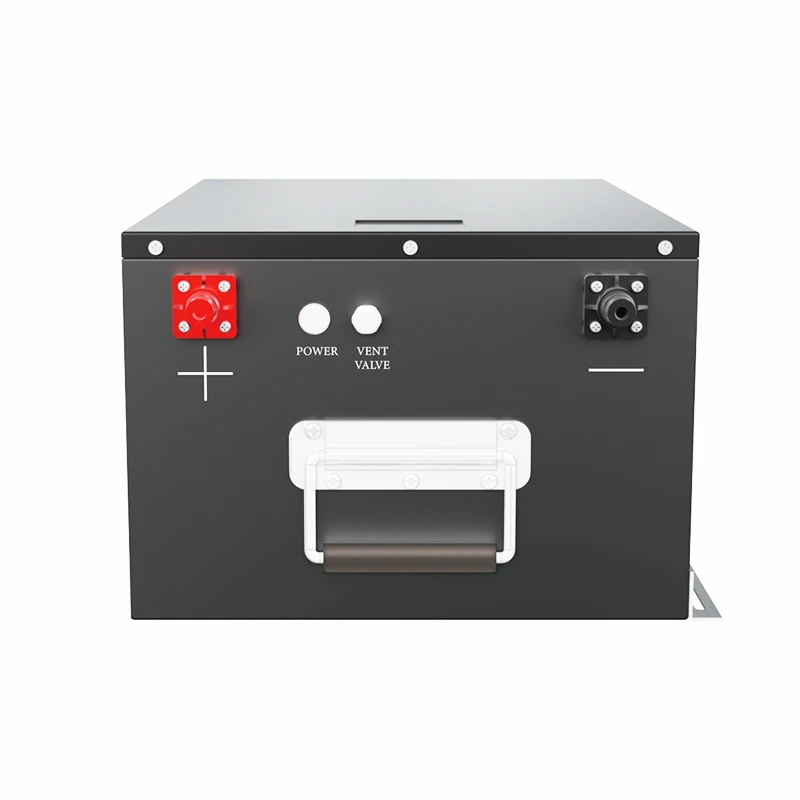
6. Light weight, about 1/6-1/5 of lead-acid products under the same volume;
7. High and low temperature adaptability, can be used in the environment of -20°C---60°C, and can be used in the environment of -45°C after process treatment;
8. Green environmental protection, no production, use or scrapping, does not contain or produce any toxic and harmful heavy metal elements and substances such as lead, mercury, cadmium, etc.
9. Production basically does not consume water, which is very beneficial to China, which is short of water.
Specific energy refers to energy per unit weight or volume. Specific energy is expressed in Wh/kg or Wh/L. Wh is the unit of energy, W is the watt, h is the hour; kg is the kilogram (unit of weight) and L is the liter (unit of volume).